




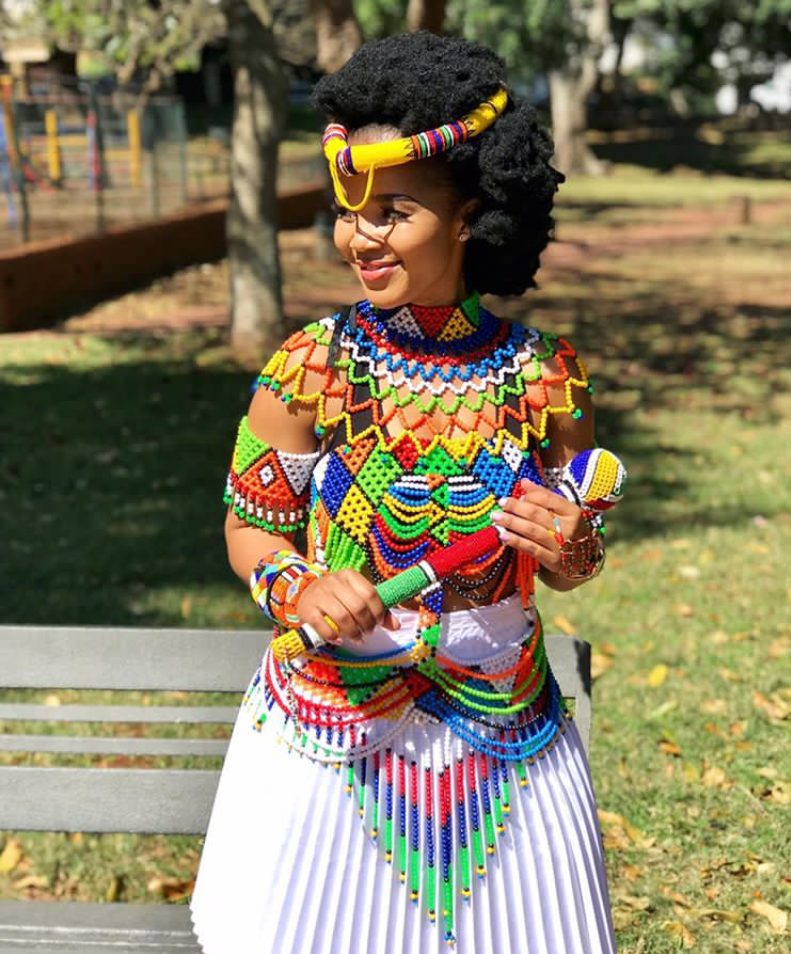
“The Durban Fashion Fair 2026 has officially opened at the Durban Exhibition Centre, marking 15 years of African fashion innovation with a spotlight on accessories that blend sustainability and cultural heritage. Eco-friendly handbags, bold jewelry, and heritage-inspired designs are redefining South Africa’s accessory industry, positioning Durban as a continental hub for ethical fashion.”
The Durban Fashion Fair (DFF) 2026 opened its doors this week, celebrating 15 years of African creativity under the theme “Where Legacy Lives.” While garments traditionally dominate fashion showcases, this year’s spotlight fell firmly on accessories—handbags, jewelry, belts, and eyewear—that are reshaping South Africa’s fashion narrative. These items, once considered secondary embellishments, now stand at the intersection of sustainability, cultural identity, and global competitiveness.
Historical Context
Launched in 2011, the DFF was envisioned as a platform to nurture local talent and connect South African designers to international markets. Over the years, it has evolved into a continental powerhouse, attracting designers from across Africa. Accessories have steadily gained prominence, with beadwork, leather craftsmanship, and textile innovation becoming central to the fair’s identity. This year, the emphasis on accessories reflects a broader industry shift: consumers increasingly view accessories as cultural storytellers and sustainability drivers.
Designer Participation
The 2026 lineup features 84 designers, including household names like Maxhosa by Laduma and Rich Mnisi, alongside emerging talents mentored through DFF’s programs. Accessories were a highlight across collections:
- Maxhosa by Laduma showcased bold geometric jewelry inspired by Xhosa heritage.
- Rich Mnisi presented gender-fluid accessories, including vibrant belts and statement earrings.
- Republic Menswear and Carita Adams integrated eco-friendly handbags into their collections.
This diverse participation underscores Durban’s role as a hub for both established and emerging accessory designers.
Emerging Talent & Mentorship
A cornerstone of DFF is its mentorship program, which this year supported 20 emerging designers. Their accessory collections demonstrated how young African creatives are integrating technology, eco-conscious materials, and cultural storytelling. For example, handbags made from recycled plastics and belts crafted from plant-based leathers highlighted innovation while reducing environmental impact. Accessories became not just fashion items but symbols of resilience and sustainability.
Sustainability & Innovation
Global fashion trends increasingly demand eco-consciousness, and DFF 2026 delivered. Accessories were crafted from:
- Recycled plastics (handbags)
- Plant-based leathers (belts)
- Bamboo frames (sunglasses)
These innovations align with the global push toward circular fashion, proving that luxury and sustainability can coexist. Accessories, often overlooked, emerged as scalable solutions capable of reducing waste while maintaining high-end appeal.
Cultural Heritage in Accessories
South African accessories are deeply rooted in cultural heritage. Designers incorporated Zulu beadwork, Ndebele motifs, and Shweshwe textiles into handbags, jewelry, and belts. Each accessory carried a story, embedding identity into wearable art. This cultural richness resonated with international buyers, who praised the fusion of heritage and sustainability as a unique selling point.
Global Competitiveness
South Africa’s accessory exports are projected to grow significantly in 2026, with international buyers noting the dual appeal of eco-consciousness and cultural richness. Accessories are no longer just embellishments; they are cultural artifacts that strengthen South Africa’s distinctiveness in global markets. Durban’s showcase positioned the country as a continental hub for innovation and creativity.
Conclusion
The Durban Fashion Fair 2026 has redefined the role of accessories in African fashion. By blending sustainability, cultural heritage, and innovation, South African designers have elevated handbags, jewelry, and belts into powerful symbols of identity and progress. As the fair celebrates 15 years, it is clear that accessories are no longer secondary—they are the future of African fashion.



