




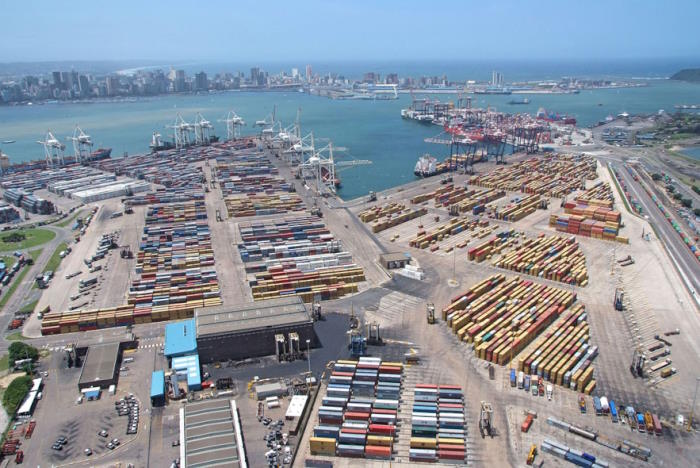
“South Africa’s busiest port, Durban’s Pier 2, is facing severe delays of 8–12 days for container ships, disrupting trade and raising transport costs. While food inflation has dropped to its lowest level since 2010, rising oil prices and port inefficiencies threaten to reverse recent gains in consumer price stability.”
South Africa’s microeconomic landscape is once again under strain as the Durban Gateway Terminal (Pier 2) faces escalating inefficiencies, coinciding with renewed oil price shocks from Middle Eastern tensions. These developments are reshaping inflation expectations, business confidence, and household consumption patterns, making September 2026 a pivotal month for policymakers and market participants.
Durban Port Bottlenecks
- Waiting times of 8–12 days for container ships have disrupted supply chains.
- International liners are bypassing regional port calls, reducing trade efficiency.
- Transition to the NAVIS N4 terminal operating system has worsened delays.
- ICTSI, the Manila-based operator, has been criticized for poor cooperation with industry bodies.
Inflation Dynamics
- Consumer Price Index (CPI) fell from 5% to 4.3% in July, signaling relief.
- Food inflation at 0.6%, the lowest since 2010, is a major positive for poorer households.
- Grain, fruits, nuts, and vegetables have entered deflationary territory.
- Electricity costs stabilized, while fuel inflation narrowed from 34.3% to 20.6%.
Oil Price Shock
- Renewed conflict between the US and Iran has pushed oil prices higher.
- Elevated fuel costs risk reversing CPI gains.
- Transport costs for businesses and households are rising, squeezing margins.
Business Confidence & Labour Market
- Weak labour market data calls for cautious monetary policy.
- The Monetary Policy Committee (MPC) held the repo rate steady in July.
- September’s meeting will weigh inflation risks against fragile employment.
Microeconomic Implications
- Households: Lower food inflation eases pressure, but transport costs offset gains.
- Businesses: Rising logistics costs reduce competitiveness, especially in manufacturing and retail.
- Trade: Durban’s inefficiencies undermine South Africa’s export potential.
- Policy: SARB faces a dilemma—hold rates to support growth or hike to contain inflation.
Government & Industry Response
- The Southern African Association of Freight Forwarders (SAAFF) has escalated the crisis to government.
- Calls for an emergency recovery plan highlight urgency.
- Without intervention, South Africa risks prolonged supply chain disruptions.
Outlook
- If Durban’s port crisis persists, inflation containment will falter.
- Oil price volatility adds uncertainty to monetary policy.
- Structural reforms in logistics and energy are critical for stabilizing microeconomic conditions.
Risks & Challenges
- Persistent port delays could erode investor confidence.
- Fuel price shocks may reignite inflationary pressures.
- Weak labour market risks social instability if unemployment rises further.
Conclusion
South Africa’s microeconomic environment is at a crossroads: while food inflation relief offers hope, the Durban port crisis and oil price shocks threaten to undo progress. Policymakers must balance inflation control with growth support, while urgent reforms in logistics infrastructure are essential to safeguard trade and household welfare.



