




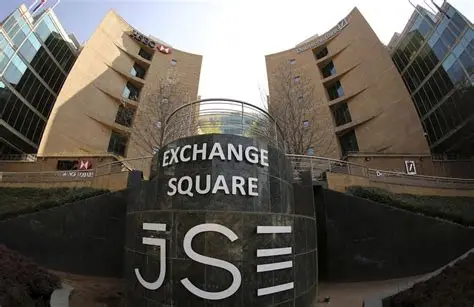
“South Africa’s financial watchdog, the FSCA, has opened an investigation into the Public Investment Corporation after the suspension of CEO Patrick Dlamini and investment chief August van Heerden. The probe raises concerns about governance, transparency, and stability at the PIC, which manages trillions in assets and plays a pivotal role in the country’s financial markets.”
The South African financial sector faces a watershed moment as the Financial Sector Conduct Authority (FSCA) announced late on July 14, 2026, that it has launched a formal investigation into the Public Investment Corporation (PIC). This follows the suspension of CEO Patrick Dlamini and Chief Investment Officer August van Heerden, a move that has sent shockwaves through the investment community. With R3.7 trillion in assets under management, the PIC is not only the largest institutional investor on the Johannesburg Stock Exchange (JSE) but also a cornerstone of South Africa’s pension and sovereign wealth ecosystem.
Background on the PIC
The PIC is a state-owned asset manager responsible for investing funds on behalf of the Government Employees Pension Fund (GEPF) and other public entities. Its sheer size makes it a systemic player in South Africa’s financial markets. Any instability within the PIC has ripple effects across equities, bonds, and even currency markets. Historically, the PIC has been embroiled in governance controversies, with past leadership facing scrutiny over questionable investments and political interference.
The Trigger: Leadership Suspensions
The immediate catalyst for the FSCA’s intervention was the suspension of CEO Patrick Dlamini and CIO August van Heerden. Whistleblower reports and media leaks suggested irregularities in investment decisions and lapses in governance. The FSCA noted “serious concerns” about transparency, leadership stability, and accountability, emphasizing that these issues could undermine confidence in one of South Africa’s most important financial institutions.
Government’s Parallel Action
The FSCA probe coincides with broader government efforts to enforce compliance in the pension sector. Over 16,500 employers reportedly owe R8.33 billion in retirement fund contributions, affecting nearly 590,000 workers. Municipalities, particularly Msunduzi in KwaZulu-Natal, are among the worst offenders, with arrears stretching back 23 years. This dual crisis—PIC instability and pension fund arrears—underscores systemic weaknesses in South Africa’s financial governance.
Market Reaction
Despite the turmoil, markets showed resilience. On July 14, the JSE All-Share Index closed up 0.5%, while the Top 40 gained 0.6%. The rand strengthened to R16.35 against the dollar, buoyed by lower U.S. inflation data that reduced the likelihood of further interest rate hikes in the U.S. Investors appeared to balance concerns about domestic governance with optimism over global macroeconomic trends.
Implications for Pension Funds
The PIC’s role as custodian of the GEPF means that millions of South African public servants have a direct stake in its stability. Any erosion of confidence could trigger calls for reform, including greater transparency in investment mandates and stricter oversight of leadership appointments. Analysts warn that if governance lapses persist, South Africa risks undermining its credibility with both domestic and international investors.
Broader Economic Context
The investigation comes at a time when South Africa is grappling with fragile economic recovery. Rising oil prices due to U.S.-Iran tensions threaten inflationary pressures, while the Reserve Bank has hinted at possible interest rate hikes. Meanwhile, the motor industry faces declining exports, and municipalities struggle with systemic financial mismanagement. Against this backdrop, the PIC probe adds another layer of uncertainty to an already complex economic landscape.
Expert Commentary
Financial analysts argue that the FSCA’s intervention is both necessary and overdue. “The PIC has long been a black box in terms of governance,” said one Johannesburg-based economist. “This investigation could finally bring accountability to an institution that wields enormous influence over the country’s financial future.” Others caution that prolonged instability could deter foreign investment, especially at a time when South Africa is seeking to attract capital to fund infrastructure and growth.
Conclusion
The FSCA’s investigation into the PIC marks a pivotal moment for South Africa’s financial sector. With trillions of rand at stake, the probe is not merely about leadership suspensions but about restoring confidence in the governance of one of the country’s most critical institutions. As markets digest the news, the broader challenge remains: ensuring that South Africa’s financial architecture is robust enough to withstand both domestic governance crises and global economic shocks.



