




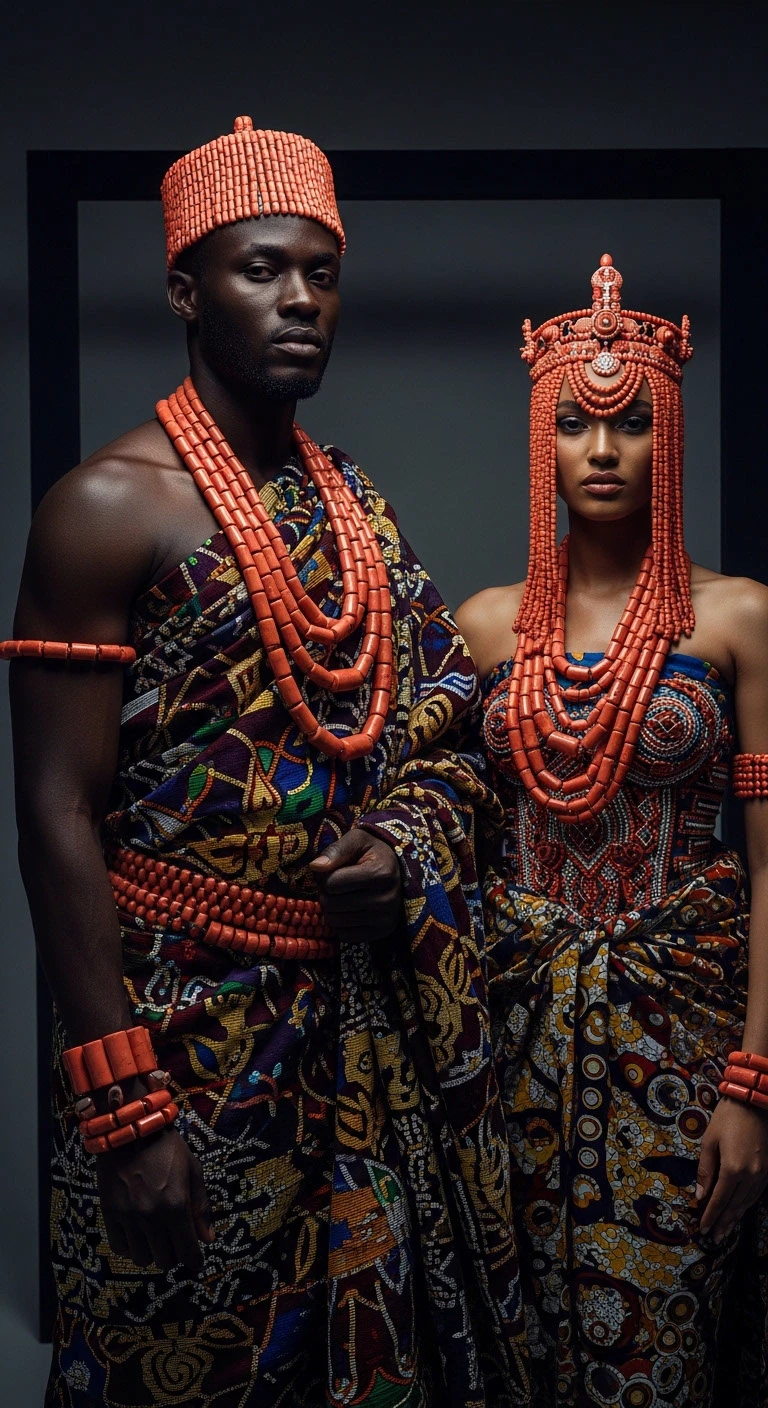
“South African designer Laduma Ngxokolo of Maxhosa Africa became the first to stage a full runway show at Paris Fashion Week, celebrating pan-African identity through bold knitwear, beadwork, and cultural motifs. His collection highlighted South Africa’s beauty, diversity, and craftsmanship, positioning African fashion firmly within the global luxury conversation.”
Paris Fashion Week has long been the pinnacle of global fashion, a stage where the world’s most influential designers present their visions of beauty, culture, and luxury. On September 28, 2026, South Africa’s Maxhosa Africa, led by creative director Laduma Ngxokolo, made history by becoming the first South African brand to host a full runway show on the official Paris calendar. This milestone was not just about fashion—it was about identity, representation, and the power of African creativity.
The Significance of the Debut
Ngxokolo’s achievement represents a breakthrough for African designers who have long sought recognition on the world’s most prestigious platforms. His show was staged in the gilded halls of the South African ambassador’s residence in Paris, symbolizing both cultural diplomacy and artistic triumph. By weaving together pan-African themes with luxury craftsmanship, Ngxokolo positioned African fashion as a force capable of competing with global giants like Gucci, Louis Vuitton, and Missoni.
The Collection: A Celebration of Pan-Africanism
The runway was lined with woven straw mats, grounding the show in African tradition. Models wore ensembles that blended traditional Xhosa beadwork with modern silhouettes. Standout pieces included:
- Multi-coloured knitted garments emblazoned with the names of African countries.
- Bra tops with wavy hems paired with flowing midi skirts.
- Geometric-patterned knit ensembles in lilac and grey.
- Menswear ranging from double-breasted suits with checkerboard knits to casual streetwear in diamond patterns.
Accessories were equally striking, with eyewear designed by Kenyan artist Cyrus Kabiru, who transforms waste materials into avant-garde glasses. South African musician Sjava provided the soundtrack, reinforcing the cultural synergy between fashion and music.
Beauty as Cultural Identity
The show was not only about clothing—it was about beauty as a reflection of identity. Hairstyles, makeup, and accessories were curated to highlight African aesthetics. Models showcased natural hair textures, braided crowns, and bold makeup palettes inspired by traditional beadwork. This emphasis on authentic African beauty challenged Eurocentric standards and celebrated diversity.
Economic and Social Impact
Ngxokolo emphasized that Maxhosa Africa’s collections are produced in Johannesburg and East London, using locally sourced wool. This commitment strengthens South Africa’s textile industry and demonstrates that African countries can produce high-quality luxury goods. His vision extends beyond fashion: he spoke of an Africa where economies thrive, crime diminishes, and corruption fades—a continent represented through beauty and creativity.
Global Reception
The Paris audience responded with enthusiasm, applauding the fusion of tradition and innovation. Fashion critics noted that Ngxokolo’s designs rivaled established European houses in craftsmanship while offering something fresh and culturally rich. The show was hailed as a turning point for African representation in global fashion.
Challenges and Aspirations
Despite the triumph, Ngxokolo acknowledged challenges. He had hoped to bring other African designers to Paris but lacked resources. His statement—“I’ve been fighting to sit at the table for 16 years”—underscored the struggle for recognition faced by African creatives. Yet, his success opens doors for future collaborations and greater inclusion.
Conclusion
Maxhosa Africa’s Paris Fashion Week debut was more than a fashion show—it was a cultural declaration. By merging beauty, heritage, and innovation, Ngxokolo demonstrated that African fashion belongs on the world stage. His work not only elevates South African design but also inspires a new generation of African creatives to dream bigger, push boundaries, and redefine global beauty standards.



