




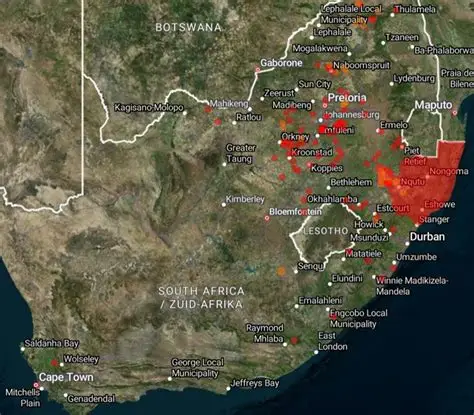
“South Africa is grappling with a devastating Foot-and-Mouth Disease outbreak that has spread to all nine provinces, with over 2,400 active cases disrupting livestock trade and farming livelihoods. While the disease poses no direct risk to human health, its economic impact on exports, auctions, and rural communities is profound.”
South Africa’s agricultural sector is once again under siege as Foot-and-Mouth Disease (FMD) continues to spread unchecked across the country. The latest report from the Department of Agriculture confirms 2,403 active outbreaks nationwide, with the Free State province alone accounting for 739 confirmed cases. This outbreak, which began years ago, has now reached unprecedented levels, forcing authorities to impose strict quarantines, vaccination campaigns, and trade restrictions.
What is Foot-and-Mouth Disease?
FMD is a highly contagious viral disease affecting cloven-hoofed animals such as cattle, sheep, goats, pigs, and wildlife like buffalo and kudu. Symptoms include fever, blisters on the mouth and feet, and weight loss. While rarely fatal in adult animals, its rapid spread devastates farming economies by halting trade and reducing livestock productivity. Importantly, FMD does not pose a food safety risk—meat and dairy products remain safe to consume when sourced from regulated channels.
Timeline of the Outbreak
- 2019: South Africa lost its internationally recognized FMD-free status.
- 2021: A SAT2 strain emerged in KwaZulu-Natal.
- 2024–2025: The disease spread to Eastern Cape, Mpumalanga, Gauteng, North West, and Free State.
- 2026: All nine provinces are now affected, with widespread quarantines and vaccination drives.
Economic Impact
The outbreak has crippled South Africa’s red meat industry, leading to:
- Export bans from key trading partners.
- Plummeting auction prices for livestock.
- Restricted movement of animals between provinces.
- Increased costs for farmers due to vaccination and biosecurity measures.
For rural communities dependent on livestock, the outbreak threatens livelihoods, food security, and long-term sustainability.
Government Response
The Department of Agriculture has implemented:
- Mass vaccination campaigns targeting vulnerable herds.
- Quarantine zones to contain outbreaks.
- Enhanced surveillance systems to track disease spread.
- Negotiations with trade partners to restore market confidence.
Despite these measures, the sheer scale of the outbreak highlights weaknesses in veterinary infrastructure and disease management.
Public Health Perspective
The World Health Organization (WHO) reassures that FMD is not a human health threat. Human infections are extremely rare and limited to individuals in close contact with infected animals. Meat and dairy products remain safe due to strict inspection protocols and cooking/pasteurization processes.
Challenges Ahead
- Vaccine shortages and logistical hurdles in reaching remote areas.
- Farmer resistance to strict quarantine measures.
- Economic strain from prolonged trade bans.
- Wildlife reservoirs that complicate eradication efforts.
Conclusion
South Africa’s battle against Foot-and-Mouth Disease underscores the fragility of agricultural systems in the face of viral outbreaks. While human health remains unaffected, the economic and social consequences are immense. Restoring FMD-free status will require sustained investment in veterinary services, stronger biosecurity, and international cooperation.



