




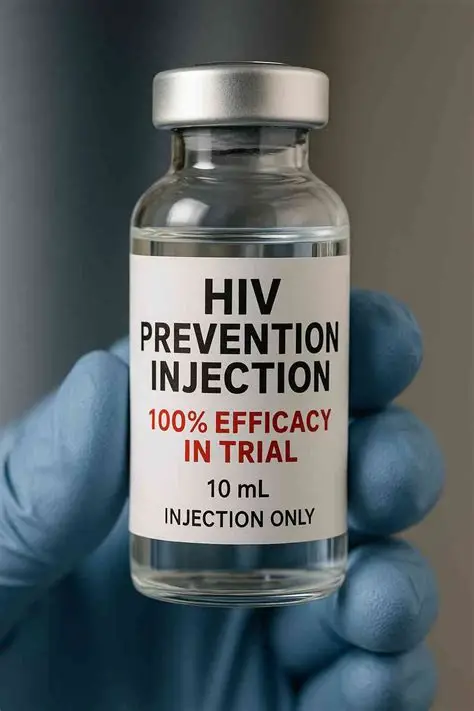
“South Africa’s Department of Health has launched its 2026–2027 Annual Performance Plan, allocating R64.8 billion to strengthen hospital infrastructure, expand HIV-prevention through lenacapavir injections, and intensify HPV vaccination and screening. The plan is hailed as historic, aiming to eliminate cervical cancer by 2030 and significantly reduce HIV transmission rates.”
South Africa has entered a transformative era in healthcare with the unveiling of its 2026–2027 Annual Performance Plan (APP). The government’s commitment of R64.8 billion marks one of the most ambitious health reforms in the nation’s history. This plan addresses three critical areas: hospital infrastructure modernization, HIV prevention through innovative long-acting injections, and cervical cancer elimination via expanded HPV vaccination and screening. Together, these initiatives aim to reshape the country’s public health landscape and position South Africa as a global leader in healthcare reform.
Hospital Infrastructure Reform
The APP dedicates a significant portion of funding to modernizing hospitals and district facilities across provinces such as Limpopo, Free State, Eastern Cape, and Mpumalanga. New teaching hospitals and district facilities are planned, with 11 bids worth over R1 billion already submitted under the Budget Facility for Infrastructure.
Key goals include:
- Reducing overcrowding in hospitals.
- Replacing outdated equipment to improve service delivery.
- Expanding hospital capacity to support the rollout of National Health Insurance (NHI).
This infrastructure push is not merely about construction but about equitable access to quality healthcare. By modernizing facilities, the government aims to ensure resilience, efficiency, and fairness in healthcare delivery.
HIV Prevention: Lenacapavir Rollout
One of the most groundbreaking aspects of the plan is the rollout of lenacapavir injections, a long-acting antiretroviral that provides protection for six months. Unlike daily oral PrEP, lenacapavir offers a more convenient and effective solution.
- Target groups: Young people, rural communities, and marginalized populations.
- Impact: Expected to significantly reduce HIV transmission rates in one of the world’s highest-burden countries.
- Public acceptance: Early rollout data shows 98.5% of HIV-negative people offered a choice between daily pills and lenacapavir chose the injection.
Health Minister Aaron Motsoaledi emphasized that South Africa is now positioned to “eliminate HIV/AIDS as a public health threat.” This bold statement reflects the government’s confidence in the effectiveness of lenacapavir and its potential to change the trajectory of the HIV epidemic.
Cervical Cancer Elimination Strategy
South Africa has aligned its strategy with the World Health Organization’s 90-70-90 targets:
- 90% HPV vaccination coverage for girls under 15.
- 70% screening coverage using high-performance tests.
- 90% treatment coverage for identified cases.
The government aims to eliminate cervical cancer by 2030, reducing incidence to fewer than 4 cases per 100,000 women. This effort combines vaccination campaigns, improved screening, and expanded treatment access.
By intensifying HPV vaccination and screening programs, South Africa is tackling one of the most preventable yet deadly cancers affecting women. This initiative is expected to save thousands of lives and reduce long-term healthcare costs.
Global Significance
South Africa’s healthcare reform is not only a national milestone but also a global model for public health transformation. The combination of infrastructure modernization, innovative HIV prevention, and cervical cancer elimination sets a precedent for other countries grappling with similar challenges.
International health experts have praised the plan as historic, noting that it positions South Africa as a leader in tackling both infectious and non-communicable diseases. The country’s commitment to equitable healthcare access resonates with global efforts to achieve Universal Health Coverage (UHC).
Challenges Ahead
Despite the ambitious scope, challenges remain:
- Funding sustainability: Ensuring consistent financial support beyond the initial R64.8 billion allocation.
- Healthcare workforce: Training and retaining skilled professionals to operate modernized facilities.
- Public awareness: Educating communities about the benefits of lenacapavir and HPV vaccination.
Addressing these challenges will be crucial to the success of the APP and the realization of its long-term goals.
Conclusion
South Africa’s R64.8 billion healthcare reform plan represents a bold step toward a healthier future. By modernizing hospitals, rolling out long-acting HIV-prevention injections, and intensifying HPV vaccination, the country is tackling some of its most pressing health challenges head-on.
If successful, this initiative will not only transform healthcare delivery in South Africa but also serve as a blueprint for global health reform, demonstrating how strategic investment and innovation can eliminate major public health threats within a generation.



