




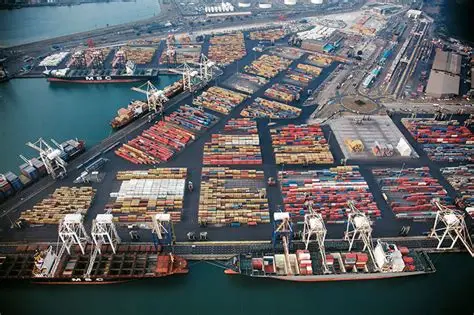
“South Africa recorded a ZAR1.8 billion trade deficit in May 2026, reversing a string of surpluses, as vehicle exports plunged and precious metals shipments faltered. While mineral sales remain strong, experts caution that port inefficiencies, rising production costs, and cheap imports from China threaten the long-term viability of the country’s manufacturing sector.”
South Africa’s trade performance in May 2026 marked a turning point in the country’s external accounts. After more than a year of consistent surpluses, the nation slipped into deficit, raising concerns about the resilience of its export base. The deficit, recorded at ZAR1.8 billion, was largely attributed to a sharp decline in vehicle exports and a temporary collapse in precious metals shipments. This development underscores the fragility of South Africa’s trade structure, which remains heavily dependent on commodities and vulnerable to global price swings.
The Numbers Behind the Deficit
- April 2026: Surplus of ZAR14.4 billion
- May 2026: Deficit of ZAR1.8 billion
- Key drivers:
- Gold and platinum group metals (PGMs) exports fell by ZAR11.1 billion.
- Vehicle and component exports declined by more than 20% in Q1 2026.
This reversal was not due to broad deterioration but rather sector-specific weaknesses. Analysts at Krutham note that the deficit was “shipment/timing volatility” in precious metals, suggesting some rebound in June. However, the structural decline in vehicle exports is more concerning.
Manufacturing Under Pressure
South Africa’s motor industry, once a cornerstone of its export economy, is facing mounting challenges:
- High production costs relative to global competitors.
- Port inefficiencies slowing down shipments.
- Unreliable logistics due to rail bottlenecks and trucking delays.
- Skills shortages limiting productivity.
- Cheap imports from China flooding the domestic market.
Unless these issues are addressed, the industry risks losing its role as a major foreign exchange earner. Scholarly research suggests that ideological policies restricting small business growth further exacerbate the problem.
Minerals: The Silver Lining
Despite manufacturing woes, mineral sales have surged:
- Record highs in April 2026 for mineral sales values.
- Higher company tax revenues from mining firms have supported fiscal stability.
- Three successive primary budget surpluses have been achieved, boosting investor confidence.
This mineral-driven resilience has led to credit rating upgrades from all three major agencies, a rare positive development for South Africa’s economy.
Global Context
The trade deficit comes at a time of heightened global uncertainty:
- Middle East tensions have pushed Brent crude back to $77 per barrel, raising South Africa’s fuel import bill.
- US tariff adjustments under President Trump have had limited direct impact but remain a policy risk.
- China trade imbalance persists, with South Africa relying heavily on mining exports while importing manufactured goods.
Policy Implications
The Reserve Bank has hinted at possible interest rate hikes, which could further strain households and businesses. Policymakers face a dilemma:
- Support manufacturing through reforms and infrastructure investment.
- Rely on minerals to sustain fiscal health, despite volatility in global prices.
Outlook
While June may show some rebound in precious metals exports, the structural weaknesses in manufacturing and logistics remain unresolved. Without decisive reforms, South Africa risks becoming overly dependent on minerals, leaving its trade balance vulnerable to commodity cycles.



