




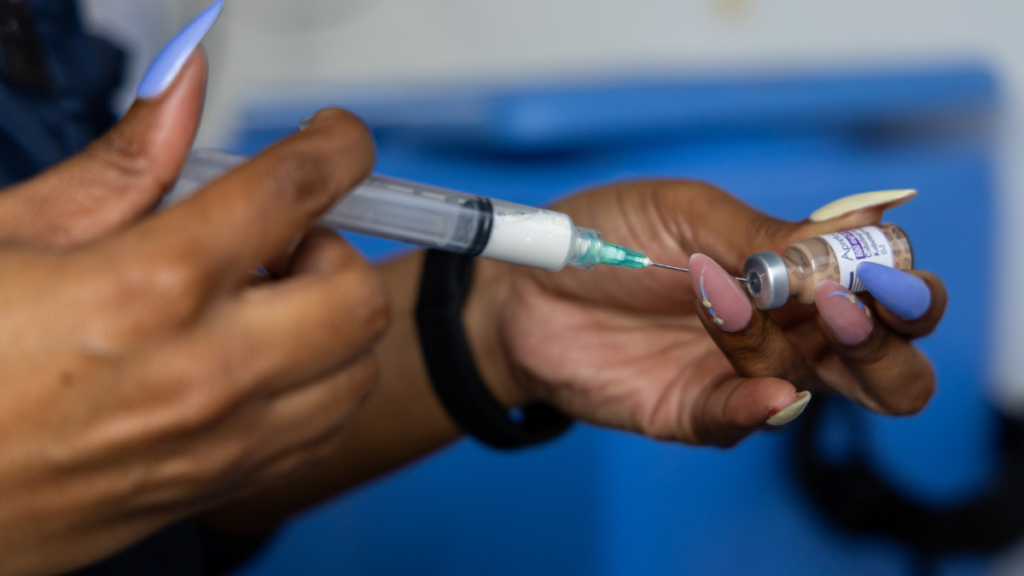
“South Africa has begun rolling out lenacapavir, a groundbreaking HIV-prevention jab that offers six months of protection per dose, across 360 public clinics. While hailed as a medical breakthrough, concerns remain about equitable access, affordability, and whether selective rollout will leave vulnerable populations behind.”
South Africa, home to one of the world’s largest HIV epidemics, has taken a bold step forward in its fight against the virus with the rollout of lenacapavir, a long-acting HIV-prevention jab. This medicine, administered once every six months, represents a significant departure from traditional daily oral prophylaxis regimens. The initiative, launched across 360 designated clinics nationwide, has sparked both optimism and debate about its potential to reshape public health outcomes.
The Science Behind Lenacapavir
Lenacapavir is an antiretroviral drug that works by inhibiting the HIV capsid protein, preventing the virus from replicating. Unlike daily pills such as Truvada or Descovy, lenacapavir’s long-acting formulation reduces the burden of adherence, a major challenge in HIV prevention. Clinical trials have shown high efficacy, with protection lasting six months per injection. Researchers are already working on a 12-month formulation, which could further revolutionize prevention strategies.
Rollout Strategy
The South African Department of Health has designated 360 clinics for the initial rollout. Gauteng province alone hosts 133 of these sites, reflecting the region’s high HIV prevalence. The rollout is being phased, targeting key populations such as sex workers, men who have sex with men, and young women—groups disproportionately affected by HIV. However, experts caution that limiting access to these populations risks excluding others who could benefit.
Equity and Access Concerns
While the jab is celebrated as a breakthrough, questions of equity loom large. Critics argue that a geographically selective rollout creates disparities, leaving rural communities underserved. Moreover, the cost of lenacapavir remains a sticking point. Without subsidies or donor support, widespread access may be limited, undermining the jab’s potential to curb new infections nationwide.
Public Reception
Early reports from clinics show mixed reactions. Many patients welcome the convenience of a twice-yearly injection compared to daily pills. Others express skepticism, citing fears of side effects or mistrust in new medical technologies. Community health workers emphasize the need for robust education campaigns to build confidence and ensure uptake.
Policy Implications
The rollout of lenacapavir is not just a medical milestone but a political one. Decisions about who gets access, when, and at what cost reflect broader debates about health equity in South Africa. Some analysts argue that the selective rollout is pragmatic, given limited resources. Others contend it is a political choice that risks perpetuating inequality.
Global Context
South Africa’s rollout is being watched closely by global health organizations. If successful, lenacapavir could serve as a model for other countries grappling with high HIV prevalence. The World Health Organization has expressed cautious optimism, noting that long-acting prevention methods could be game-changers in regions where adherence to daily regimens is low.
Challenges Ahead
Despite the promise, challenges remain. Supply chain logistics, cold storage requirements, and training for healthcare workers all pose hurdles. Additionally, stigma surrounding HIV continues to deter some individuals from seeking prevention services. Addressing these barriers will be critical to ensuring the jab’s success.
Conclusion
The rollout of lenacapavir marks a historic moment in South Africa’s fight against HIV. By offering long-lasting protection, the jab has the potential to significantly reduce new infections. Yet its success will depend on equitable access, affordability, and sustained political commitment. As the country embarks on this ambitious initiative, the world watches to see whether lenacapavir will fulfill its promise as a true game-changer in HIV prevention.



