




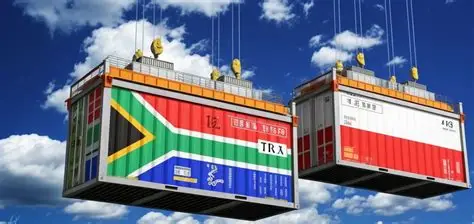
“South Africa’s Minister of Trade, Industry and Competition, Parks Tau, confirmed ongoing talks with Washington to address the 12.5% tariff on South African exports, while pledging new domestic regulations against forced labour imports. The move aims to safeguard trade competitiveness, protect jobs, and align South Africa with global ethical trade standards.”
South Africa’s trade relations with the United States entered a new phase this weekend as Minister Parks Tau announced a dual-track strategy: negotiating tariff relief and implementing stricter import regulations against forced labour. This announcement comes after the US imposed a 12.5% tariff on South African exports, a measure that has stirred debate across industries and policy circles.
Background on Tariffs
The tariffs, effective July 25, 2026, follow a series of trade disputes and legal rulings in the US. While the previous 30% tariff was struck down earlier this year, the new 12.5% levy still poses challenges for South African exporters, particularly in agriculture and manufacturing. Business Unity South Africa (BUSA) noted that while the tariff is less severe than before, it could still erode competitiveness in rural economies reliant on US markets.
Government Response
Tau emphasized that South Africa had made extensive submissions to the US Trade Representative and testified before the Section 301 Committee. Despite these efforts, tariffs were implemented. In response, Tau pledged to publish a notice in the Government Gazette inviting public comment on regulations to prohibit imports produced with forced or child labour. This aligns South Africa with international labour standards and strengthens its ethical trade profile.
Sectoral Impact
- Agriculture: Products such as macadamia nuts, citrus, and sugar remain exempt, offering relief to farmers. However, other agricultural exports face pressure.
- Mining: Platinum-group metals and precious stones are exempt, preserving a critical export stream.
- Manufacturing: Sectors reliant on US demand may see reduced margins, with potential knock-on effects on employment.
Business and Labour Perspectives
Agri SA welcomed the exemptions but warned that rural jobs remain vulnerable. BUSA expressed cautious optimism, noting that the tariff is manageable compared to past levels. Labour unions, however, stressed the importance of ensuring that South Africa’s own imports meet ethical standards, supporting Tau’s regulatory initiative.
International Context
South Africa is one of 60 countries scrutinized by the US for insufficient action against forced labour imports. By moving to ban such goods, South Africa not only addresses US concerns but also positions itself as a leader in ethical trade within Africa. This could enhance its standing in negotiations under the African Continental Free Trade Area (AfCFTA).
Economic Implications
The tariffs highlight South Africa’s exposure to commodity price swings and external policy risks. Analysts argue that while the trade balance remains positive year-to-date, reliance on volatile sectors like precious metals leaves the economy vulnerable. The new regulations could diversify trade by aligning South Africa with markets that prioritize ethical sourcing.
Political Dimensions
The announcement comes amid heightened political debate ahead of local elections. Trade policy has become a focal point, with opposition parties questioning whether the government is doing enough to protect exporters. Tau’s proactive stance may bolster the ruling party’s credibility on economic stewardship.
Future Outlook
Negotiations with Washington are expected to continue, with South Africa seeking either tariff elimination or reduction. Simultaneously, the rollout of forced labour regulations will require consultation with industry stakeholders. Success in both areas could stabilize trade flows and reinforce South Africa’s reputation as a responsible trading partner.



