




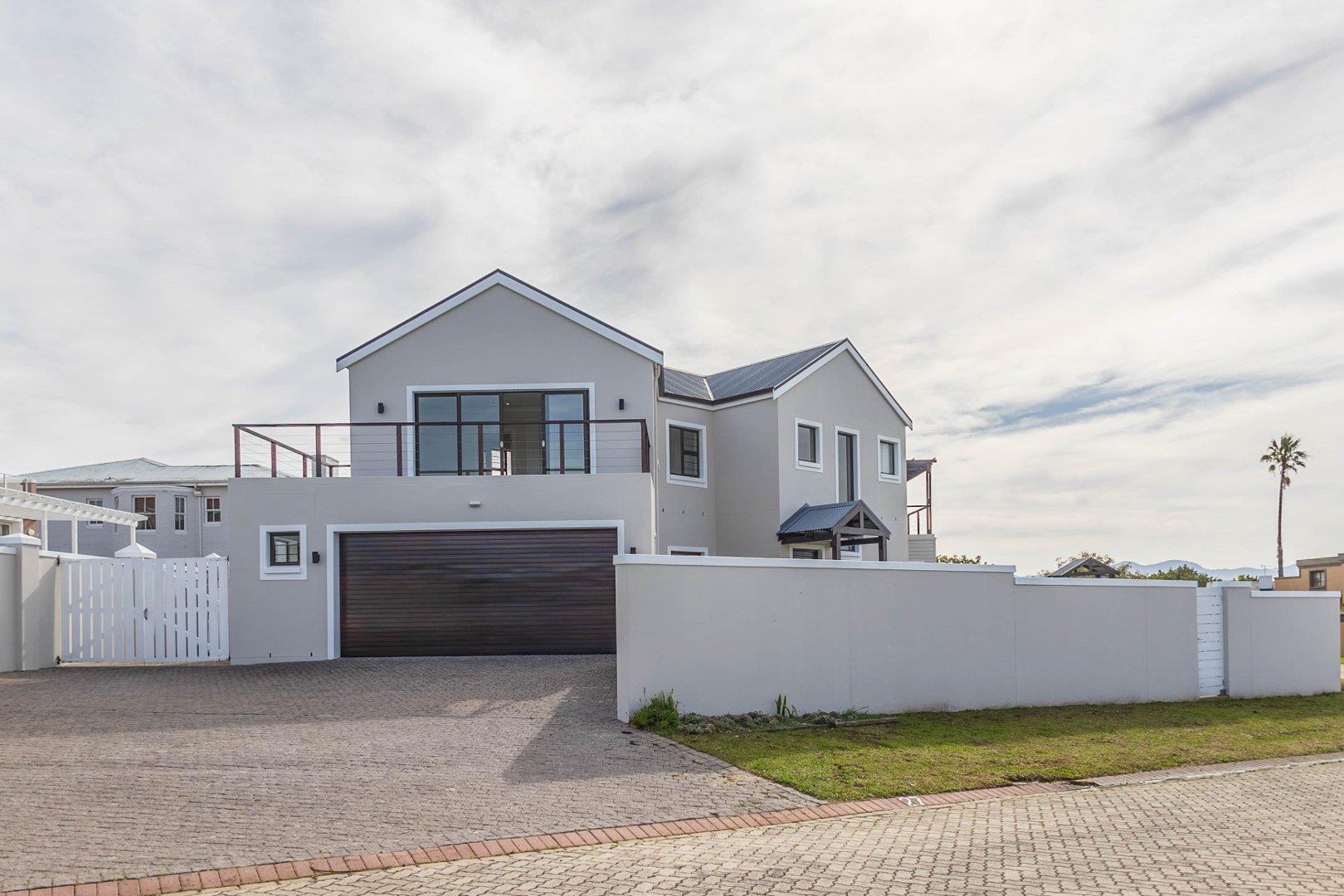
“South Africa’s land market in July 2026 is experiencing steady growth, driven by stable interest rates and lifestyle-driven semigration to coastal regions. Investors and families are increasingly confident in land transactions, particularly in Cape Town, Durbanville, and the Garden Route.”
The South African land real estate market has entered July 2026 with renewed optimism. After years of volatility caused by inflationary pressures, interest rate hikes, and uneven regional growth, the latest market update reveals a stabilizing environment. Investors, developers, and homeowners are increasingly confident, particularly in land transactions across coastal and semigration hotspots.
Interest Rate Stability
One of the most significant factors underpinning this momentum is the South African Reserve Bank’s (SARB) decision to maintain the repo rate at 7.00% and the prime lending rate at 10.50%. This stability is crucial for land buyers, as borrowing costs remain predictable. Analysts note that while affordability challenges persist, the absence of further hikes has allowed buyers to plan long-term investments in land with greater certainty.
National Price Movements
- National property prices grew 3.2% year-on-year in July 2026.
- Land parcels in high-demand regions are appreciating faster than the national average.
- Location remains the most critical factor in real estate investment decisions.
Coastal Hotspots
The Western Cape continues to dominate land demand. Suburbs such as Bloubergstrand and Durbanville are experiencing 6.5% price growth, driven by family buyers and investors seeking short-term rental opportunities. Similarly, the Garden Route — notably George and Knysna — reports 5.8% appreciation, fueled by semigration from Gauteng and other provinces.
Gauteng’s Resilience
Although Gauteng’s average growth is more moderate at 2.1%, niche nodes are defying the trend. Areas with strong infrastructure and employment opportunities continue to attract land buyers, particularly for mixed-use developments.
Semigration and Lifestyle Shifts
Semigration remains a defining trend in 2026. Families and professionals are relocating from congested metros to coastal towns, seeking lifestyle improvements and better municipal services. This migration is reshaping land demand, with smaller towns experiencing unprecedented growth in land transactions.
Financing and Banking Sector
Major banks — Absa, FNB, Nedbank, Standard Bank, Investec, and SA Home Loans — are offering competitive mortgage products aligned with SARB’s stable rates. Buyers are encouraged to negotiate aggressively, as favorable financing terms can significantly impact affordability in land purchases.
Risks and Challenges
- Affordability pressures remain for lower-income buyers.
- Policy debates around land reform continue to shape investor sentiment.
- Urbanization pressures in Gauteng and Durban may strain infrastructure.
Outlook
The outlook for South Africa’s land market in the second half of 2026 is cautiously optimistic. With stable interest rates, semigration trends, and strong demand in coastal regions, land remains a resilient investment category. However, affordability challenges and policy uncertainties must be closely monitored.



