




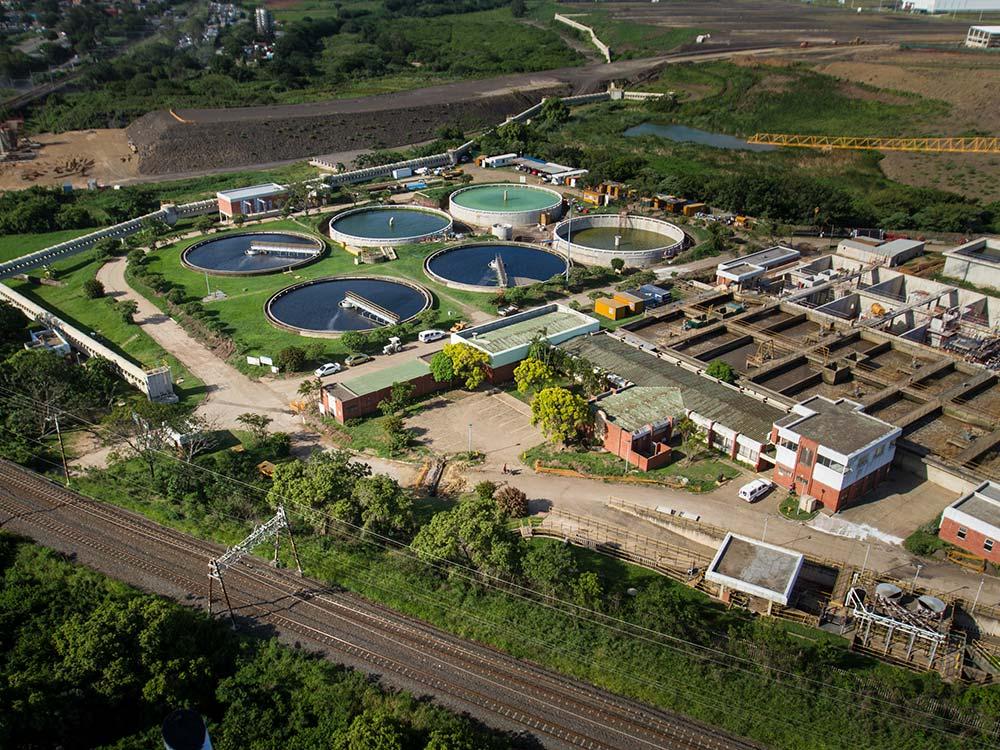
“The eThekwini Metropolitan Municipality has lost an appeal against a court order requiring it to address untreated sewage spills, improve wastewater management and publish weekly E. coli readings for the city’s swimming beaches. The development is a significant public-health story because sanitation, wastewater treatment and water-quality monitoring are directly connected to preventing exposure to contamination and protecting communities.”
South Africa’s public-health debate has been given a fresh and highly practical dimension after the eThekwini Metropolitan Municipality lost an appeal over a court order requiring it to address untreated sewage spills and strengthen wastewater management. The 2 October 2026 report says the Pietermaritzburg High Court found that the municipality had no reasonable prospects of succeeding with its appeal. The order includes compliance with legally binding directives, publication of weekly E. coli readings for the city’s swimming beaches, and an action plan for failing wastewater treatment plants.
The case matters beyond a legal dispute because sanitation is a basic public-health safeguard. When sewage enters streets, rivers, beaches or other areas where people live and work, the consequences can extend from unpleasant conditions to exposure to pathogens and contaminated water. Today’s development therefore places municipal infrastructure, environmental protection, disease prevention and public accountability in the same public-health conversation.
What the Court Ruling Means
According to Moneyweb’s report published on 2 October, the full bench of the Pietermaritzburg High Court ruled on 30 September that eThekwini had no reasonable prospects of success in its appeal against an earlier judgment. The underlying directives date back as far as 2021 and concern inadequate wastewater treatment and sewage leaks. The court order requires the municipality to explain how it will comply with seven legally binding compliance notices and directives.
One requirement is publication of weekly E. coli readings for the city’s swimming beaches. E. coli is widely used as an indicator of faecal contamination. Publishing test results can help residents and authorities understand changing water-quality conditions and respond when contamination levels become unsafe.
The ruling also requires an action plan for failing wastewater treatment plants. This shifts attention from isolated spills to the systems that determine whether wastewater is safely collected, treated and discharged.
Why Sewage Is a Public-Health Issue
Public health is often associated with hospitals, clinics, vaccination campaigns and disease outbreaks. Yet much of public health begins outside healthcare facilities. Safe drinking water, effective sanitation, waste management, clean environments and reliable municipal infrastructure are fundamental protections against preventable illness.
Untreated sewage can contain microorganisms capable of causing gastrointestinal illness and other infections. The risks can become more serious when contaminated water reaches places used for recreation, enters waterways that communities depend on, or comes into direct contact with people. Children may be particularly exposed because they can play near contaminated areas or have less awareness of environmental hazards.
This is why wastewater management should not be treated simply as an engineering or municipal-services issue. It is also part of disease prevention and health protection.
South Africa’s Wider Wastewater Challenge
The eThekwini case comes against a broader national backdrop. Health-e News reported in September that 47% of South Africa’s municipal wastewater systems were in a critical state, citing the government’s Green Drop assessment. The same report noted that the proportion had increased from 39% in 2022. It also highlighted that municipalities control services such as clean water, sanitation, refuse removal and stormwater drainage, all of which can influence community health.
The figures place Durban’s situation in context. A court order cannot resolve a national infrastructure challenge, but it demonstrates how basic-service failures can become matters of environmental regulation, accountability and health protection.
eThekwini’s Infrastructure Response
The municipality has previously reported efforts to rehabilitate its wastewater system. In August 2026, eThekwini said the number of fully functional pump stations had increased from 235 in June to 239 and that about 80% of wastewater flows lost during floods had been recovered. It also said approximately 21 sewer rehabilitation projects had been implemented as part of its flood-recovery programme, with more than R141 million spent since 2023.
Those efforts show that rehabilitation is under way, but the court decision shows that compliance and risk reduction remain concerns. A functioning pump station, treatment plant or sewer line is not merely an asset on a municipal balance sheet. It is part of the system that protects people from exposure to contaminated environments.
The Role of Water-Quality Information
The requirement to publish weekly E. coli results is especially relevant to public health because information affects behaviour. Residents need timely information when deciding whether beaches and other recreational waters are safe to use. Public disclosure can also make it easier to identify persistent problems and monitor whether corrective measures are working.
For health authorities, water-quality information can support surveillance and risk communication. For communities, it provides evidence about environmental conditions that can be difficult to assess. Transparent testing does not replace infrastructure repairs, but it can reduce uncertainty while longer-term solutions are implemented.
A Question of Prevention
The public-health lesson from the eThekwini dispute is the value of prevention. Once sewage has entered a river, beach or residential area, officials must respond with clean-up, testing, public warnings and medical guidance where necessary. Preventing the spill in the first place is generally more effective than managing its consequences after contamination has occurred.
Prevention requires maintenance schedules, functioning pumps, reliable treatment plants, trained technical teams, rapid response to faults and adequate monitoring. It also requires systems for reporting failures and ensuring that serious problems are escalated before they become prolonged hazards.
The National Significance
The eThekwini ruling arrives at a time when South Africa is confronting questions about the reliability of local government services. Health-e News has described municipal service delivery as a public-health issue because local authorities influence many of the environmental conditions in which people live.
That connection is important. A clinic cannot compensate for contaminated water. A hospital cannot replace a functioning sewer network. Vaccination and treatment remain essential, but prevention also depends on infrastructure that keeps communities safe.
The issue is also central to environmental health. Sewage entering rivers and coastal waters can damage ecosystems while increasing potential human exposure. Protecting water resources therefore serves environmental and public-health objectives.
What Happens Next
The immediate question is how eThekwini will implement the measures and how progress will be monitored. Previously announced rehabilitation projects may form part of that response, but the ruling places emphasis on measurable compliance.
For residents, the practical goal is safer sanitation, reliable treatment and accessible water-quality information. For public-health professionals, the case illustrates why environmental surveillance and municipal infrastructure should remain part of health planning. For policymakers, it highlights sanitation failures as preventable risks.
South Africa’s public-health system extends beyond hospitals and clinics. Water quality, sewer networks, beach and river safety, and rapid infrastructure repairs can all shape health outcomes.
The eThekwini court development therefore represents more than another municipal legal battle. It is a reminder that public health depends on functioning systems, transparent information and prevention. As the municipality responds to the ruling, the effectiveness of that response will be measured not only by legal compliance, but by whether residents experience fewer sewage spills, safer water environments and stronger protection from avoidable public-health risks for communities across the country.
The eThekwini ruling connects a court decision with a wider national challenge: ensuring that essential water and sanitation services reliably protect communities.



