




“South Africa’s property market in September 2026 is defined by a “market of two halves”: affordability ceilings slowing growth in the upper segment, while properties below R1.5 million thrive due to first-time buyers and aggressive bank lending. This dynamic is reshaping investment strategies, with resilient metros and off-grid properties commanding premiums.”
The South African real estate investment market in September 2026 presents a fascinating paradox. On one hand, national house price growth has slowed to 3.4%, falling below inflation at 5.1%, signaling affordability constraints. On the other, the entry-level segment below R1.5 million is experiencing unprecedented resilience, powered by first-time buyers and banks’ willingness to extend credit.
Market Dynamics
- Affordability Ceiling: Elevated interest rates (prime at 10.50%, repo at 7.00%) have capped growth in higher-value properties.
- First-Time Buyers Surge: Over 51.6% of home loans are now issued to first-time buyers, marking the first time in a decade this demographic dominates.
- Aggressive Lending: Banks are offering 100%+ loans with reduced deposit requirements, making property ownership more accessible.
- Resilient Segments: Properties priced below R1.5 million remain buoyant, particularly in metros with strong infrastructure.
Regional Investment Hotspots
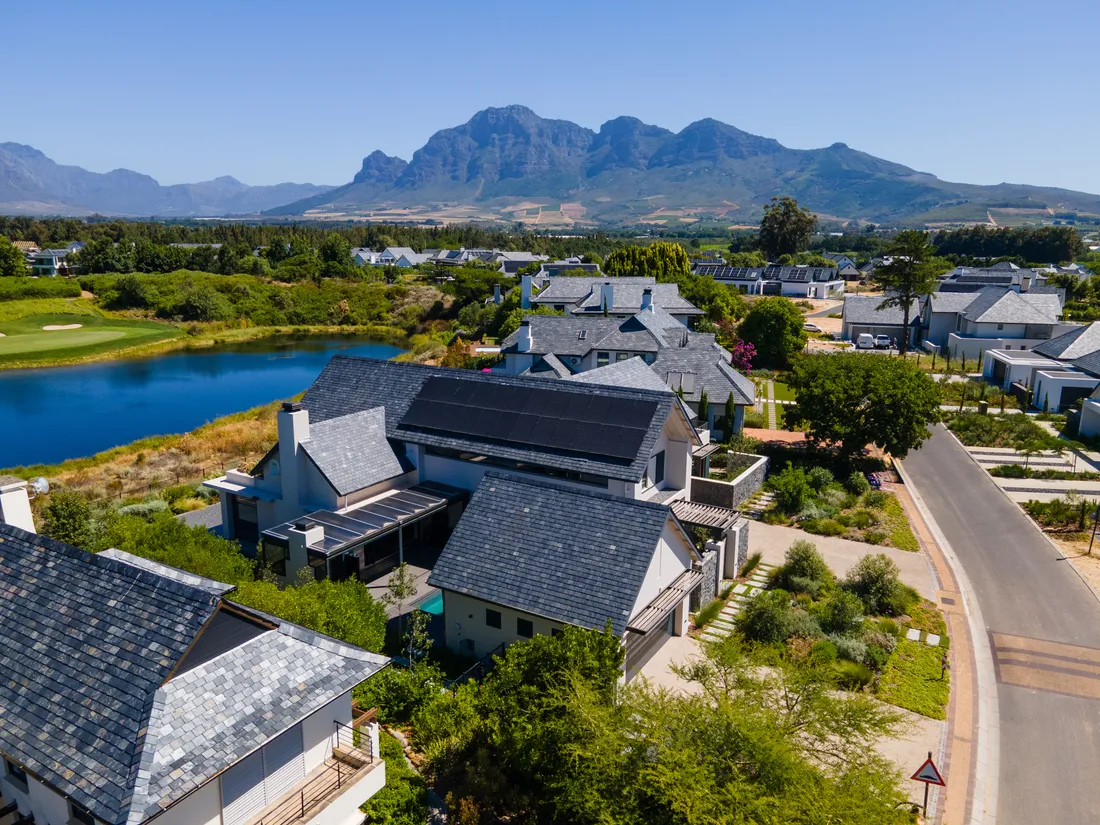
- Western Cape: Well-run municipalities and reliable infrastructure drive premiums. Properties with solar power and boreholes sell faster and at higher prices.
- Gauteng: Despite affordability pressures, sectional title properties show resilience.
- KwaZulu-Natal & Eastern Cape: Moderate growth, with semigration trends boosting demand.
Investor Considerations
- Infrastructure Premium: Investors are advised to prioritize metros with competent municipal governance.
- Off-Grid Appeal: Properties featuring solar, boreholes, and backup systems are outperforming grid-tied counterparts.
- Debt Ratios: Household debt-to-income stands at 62.8%, highlighting financial strain but also signaling opportunities for affordable housing investments.
Risks and Challenges
- High Interest Rates: Elevated borrowing costs limit upper-market liquidity.
- Inflationary Pressures: Real house price declines may deter speculative investors.
- Economic Uncertainty: Household budgets remain stretched, impacting long-term sustainability.
Opportunities for Investors
- Entry-Level Market: Strong demand below R1.5 million offers consistent turnover and rental yields.
- First-Time Buyer Partnerships: Developers and investors can align with banks to target this demographic.
- Sustainable Housing: Eco-friendly and off-grid properties are commanding premiums, offering higher ROI.
Conclusion
September 2026 marks a turning point in South Africa’s real estate investment landscape. The dominance of first-time buyers, aggressive bank lending, and resilience in affordable housing segments are reshaping strategies. Investors who adapt to these trends—by focusing on infrastructure, affordability, and sustainability—stand to benefit from a market that, while constrained at the top, is thriving at the base.



