




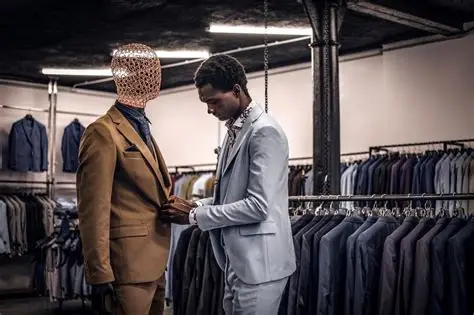
“The Foschini Group (TFG), owner of luxury brands Fabiani and American Swiss, will close more than 100 stores across South Africa to cut costs and focus on its e-commerce platform, Bash. This decision underscores the challenges facing luxury fashion retailers amid economic stagnation and global online competition.”
South Africa’s luxury fashion sector is undergoing a seismic transformation. On 29 July 2026, The Foschini Group (TFG)—a retail giant with more than 3,400 stores nationwide—announced plans to shutter over 100 outlets. This decision, while shocking to loyal customers, reflects broader economic realities and the growing dominance of digital commerce.
TFG’s Position in Luxury Fashion
TFG is not just another retailer; it is a powerhouse in South Africa’s fashion ecosystem. Its portfolio includes:
- Fabiani: synonymous with tailored suits and premium menswear.
- American Swiss: a jeweler catering to aspirational consumers.
These brands have long anchored South Africa’s luxury retail scene, offering exclusivity and prestige.
Economic Pressures
The closures are driven by multiple factors:
- Low GDP growth and high unemployment have weakened consumer spending power.
- Rising input costs have squeezed margins.
- Global competition from fast-fashion e-commerce giants like Shein and Temu has disrupted traditional retail.
TFG’s latest financial results revealed a 33.5% decline in headline earnings per share and a contraction in gross profit margins. Despite revenue growth of 7.2%, profitability remains under severe strain.
The Digital Pivot: Bash
Central to TFG’s strategy is Bash, its e-commerce platform. In the 2026 financial year, Bash generated R1.1 billion in online sales, equivalent to opening more than 100 physical stores. CEO Anthony Thunstrom emphasized that Bash enables TFG to adopt a capital-light model, reducing reliance on brick-and-mortar outlets.
This pivot reflects a global trend: luxury consumers increasingly prefer online shopping for convenience, wider selection, and personalized digital experiences.
Impact on Luxury Brands
- Fabiani: Fewer physical touchpoints for customers seeking bespoke tailoring, but digital channels could expand reach beyond South Africa’s urban centers.
- American Swiss: Faces the challenge of translating the luxury jewelry experience into an online format, where tactile engagement is limited.
Consumer Reactions
South African consumers are divided:
- Traditionalists lament the loss of in-store experiences, especially in luxury fashion where ambiance and service are integral.
- Digital adopters welcome the convenience and accessibility of online shopping.
Broader Implications for South Africa’s Luxury Fashion
This development raises critical questions:
- Will local luxury brands survive the digital transition?
- Can heritage-rooted brands like MaXhosa Africa leverage cultural authenticity to thrive globally?
- How will international partnerships—such as Balenciaga’s mentorship of South African designer Mzukisi Mbane—reshape the sector?
Conclusion
TFG’s closures mark a turning point in South Africa’s luxury fashion industry. While the move reflects economic pressures and global competition, it also signals a bold embrace of digital commerce. The future of luxury fashion in South Africa will depend on how well brands balance heritage, exclusivity, and digital innovation.



