




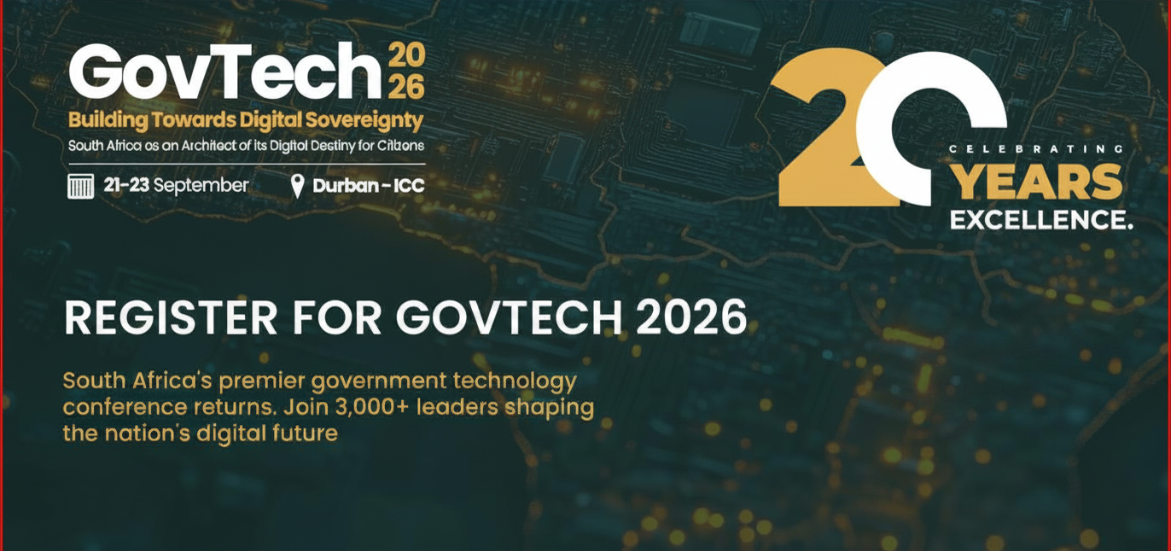
“GovTech 2026, South Africa’s largest government technology conference, opened today in Durban, spotlighting robotics and AI as key drivers of public sector innovation. The event demonstrates how robotic process automation and citizen-facing AI tools will transform government workflows, reduce inefficiencies, and improve service delivery.”
South Africa has entered a defining chapter in its digital transformation journey with the launch of GovTech 2026, a landmark conference celebrating two decades of government-led technological innovation. Hosted in Durban from September 21–23, 2026, the event underscores the nation’s determination to shape its own digital destiny, with robotics and AI at the forefront of this transformation. Organized by the State Information Technology Agency (SITA), GovTech has evolved from a modest gathering in 2006 into a premier platform for showcasing innovation, shaping policy, and aligning government priorities with technological advancements.
Historical Context
GovTech began as a small forum for IT leaders but has grown into a central hub for South Africa’s digital governance. Over 20 years, it has consistently introduced new strategies, fostered partnerships, and unveiled innovations that directly impact citizens. Unlike many conferences that fade over time, GovTech has remained relevant by adapting to emerging technologies and aligning them with public service needs.
Robotics and Automation in Government
One of the most anticipated aspects of GovTech 2026 is its focus on robotics and automation. Demonstrations include robotic process automation (RPA) systems designed to streamline government workflows, reduce inefficiencies, and minimize corruption risks. These systems are capable of automating repetitive administrative tasks, freeing up human resources for more complex decision-making.
Examples showcased at the event include:
- Document verification robots that check and validate official paperwork.
- Permit processing automation that reduces waiting times for business and construction approvals.
- Healthcare triage robotics that assist in patient prioritization in public hospitals.
By integrating robotics into public service delivery, South Africa aims to improve efficiency, reduce waiting times, and enhance citizen satisfaction.
Citizen-Facing AI
Complementing robotics is the emphasis on citizen-facing AI. Tools such as chatbots for public inquiries, AI-driven healthcare triage systems, and predictive analytics for social services are among the innovations being introduced. These systems are designed to make government services more accessible, responsive, and transparent.
For instance:
- AI chatbots can answer common queries about social grants, IDs, and passports.
- Predictive analytics can identify vulnerable households and allocate resources more effectively.
- Healthcare AI triage reduces bottlenecks in clinics by directing patients to appropriate care levels.
Cybersecurity and Data Governance
GovTech 2026 also highlights the importance of cybersecurity and trust. With the rise of digital identities and online service delivery, protecting citizens’ data has become paramount. Strategies unveiled at the conference include advanced encryption protocols, AI-driven threat detection, and frameworks for safeguarding critical infrastructure.
This focus ensures that while robotics and AI expand government capabilities, citizens’ privacy and trust remain protected.
Economic and Social Impact
The integration of robotics into government services is expected to have far-reaching economic and social impacts:
- Efficiency gains: Reduced administrative costs and faster service delivery.
- Job transformation: While some repetitive roles may be automated, new opportunities in robotics maintenance, AI development, and digital governance will emerge.
- Citizen satisfaction: Faster, more transparent services will improve trust in government institutions.
Global Positioning
South Africa’s embrace of robotics and AI through GovTech 2026 positions it as a continental leader in digital governance. Unlike many African nations still grappling with basic digital infrastructure, South Africa is demonstrating how advanced technologies can be integrated into governance at scale.
This leadership role could attract international partnerships, investments, and collaborations, further boosting the country’s digital economy.
Voices from the Conference
Government officials, technologists, and private sector leaders have all emphasized the transformative potential of robotics:
- Minister of Communications and Digital Technologies: “Robotics is not about replacing people; it’s about empowering government to serve citizens better.”
- SITA CEO: “GovTech 2026 is proof that South Africa can lead in digital governance, not just follow global trends.”
- Industry leaders: “Partnerships between government and private robotics firms will accelerate innovation and create jobs.”
Challenges Ahead
Despite the optimism, challenges remain:
- Funding constraints: Robotics systems require significant upfront investment.
- Skills gap: South Africa must train a new generation of robotics engineers and AI specialists.
- Regulatory frameworks: Clear policies are needed to govern the ethical use of robotics and AI in public services.
Conclusion
GovTech 2026 marks a turning point in South Africa’s digital journey, with robotics and AI set to redefine how government interacts with citizens. By embracing automation, citizen-facing AI, and robust cybersecurity, the nation is positioning itself as a leader in digital governance on the African continent.



