




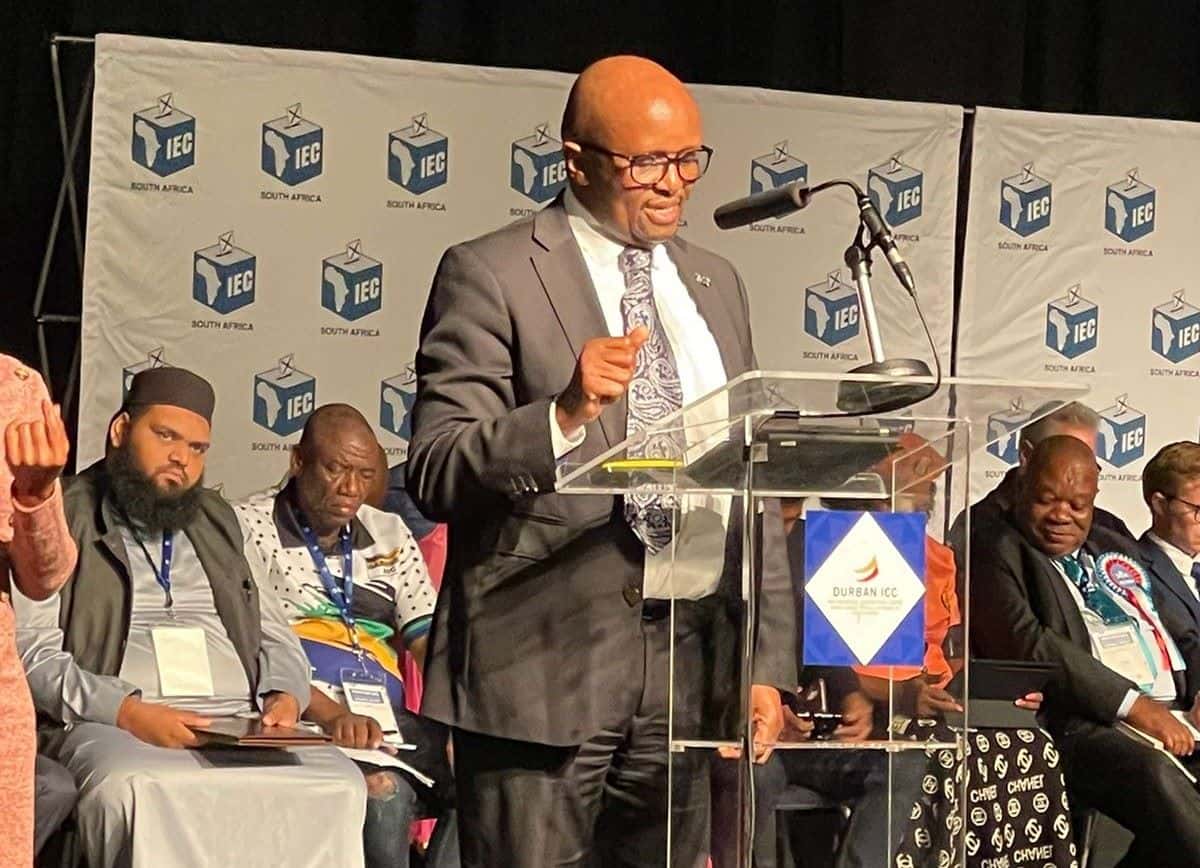
“South Africa’s Electoral Commission (IEC) today hosts the signing of the Electoral Code of Conduct and conducts the ballot-paper draw, formally committing political parties to free and fair campaigning while determining ballot order. With 55 parties contesting in Cape Town and over 136,000 candidates nationwide, the event signals the transition from candidate nominations to final ballot production ahead of the 4 November elections.”
South Africa’s democratic machinery reached a pivotal moment today, 23 September 2026, as the Electoral Commission of South Africa (IEC) convened political parties for the signing of the Electoral Code of Conduct and the ballot-paper draw. This dual ceremony, held less than six weeks before the 4 November local government elections, underscores the country’s commitment to electoral integrity, transparency, and operational readiness.
The Code of Conduct
The Electoral Code of Conduct is a legally binding framework designed to safeguard the principles of free and fair elections. By signing it, political parties pledge to refrain from intimidation, incitement to violence, and the dissemination of false information. This year, the IEC has introduced a Disinformation Code, requiring parties to correct false claims within 36 hours, including those spread via AI-generated material and political advertising.
The Ballot Draw
Equally significant is the ballot-paper draw, which determines the order in which parties appear on ballots. In Cape Town, the proportional-representation ballot will feature 55 political parties, necessitating a double-column design to accommodate the unprecedented level of contestation. This logistical complexity reflects the vibrancy of South Africa’s multiparty democracy, but also poses challenges for voter clarity and ballot printing.
Candidate Certification
The IEC has certified 136,790 candidates nationwide, contesting 10,526 council seats. This certification process, completed earlier this week, provides certainty about who is entitled to appear on ballots and allows the Commission to move into the operational phase of ballot production. Candidate certificates are scheduled for issuance on 25 September, while applications for special votes opened on 21 September.
Political Context
The signing ceremony comes amid heightened political competition. Parties ranging from the ANC and DA to smaller formations like ActionSA, the Minority Front, and the SACP are preparing for intense campaigns. Coalition politics loom large, with many metros expected to produce fragmented results, forcing parties into negotiations post-election.
Safeguarding Democracy
Observers note that the IEC’s proactive measures against disinformation are crucial in an era of digital campaigning. The Commission’s insistence on transparency, fairness, and accountability reinforces its role as the guardian of South Africa’s democracy. Analysts argue that the credibility of the 2026 elections will hinge not only on the technical execution of voting but also on the ability of parties to adhere to the Code of Conduct.
Voter Implications
For voters, today’s events mean that ballot papers are now being finalized. The order of parties on ballots can influence voter behavior, particularly in crowded contests like Cape Town. The IEC’s double-column design aims to ensure readability, but voter education campaigns will be essential to minimize confusion.
Looking Ahead
With ballot printing set to begin shortly, the election calendar is firmly on track. The next milestones include the issuance of candidate certificates, the continuation of special vote applications, and the ramping up of campaign activities across the country. As South Africa moves closer to 4 November, the focus will shift from administrative preparation to the political contest itself.
Conclusion
The 23 September signing and ballot draw represent more than procedural steps; they symbolize South Africa’s ongoing commitment to democratic governance. By binding parties to ethical campaigning and finalizing ballot logistics, the IEC has laid the groundwork for what promises to be one of the most competitive local government elections in the nation’s history.



