




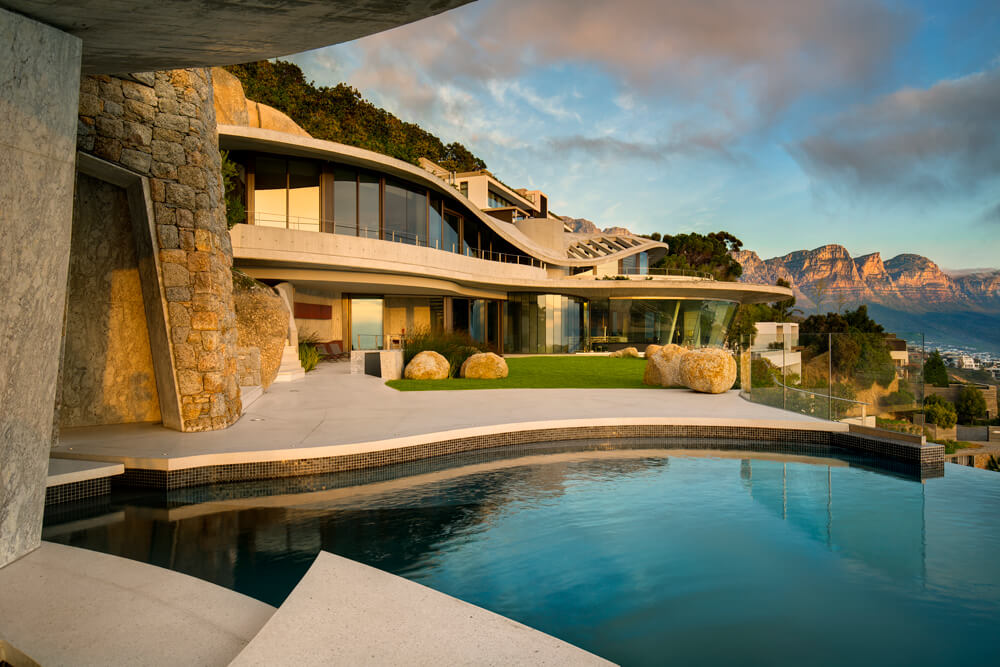
“Cape Town’s luxury property sector grew by 11% in September 2026, outperforming national inflation and setting the benchmark for metropolitan real estate performance. International demand, semi-gration trends, and tourism-linked investment continue to fuel record valuations in neighborhoods like Clifton, Camps Bay, and Constantia.”
South Africa’s property market entered September 2026 with renewed vigor, defying inflationary pressures and global economic uncertainty. At the heart of this surge lies Cape Town’s luxury real estate sector, which has emerged as the country’s most dynamic and resilient market. Recording an impressive 11% year-on-year growth, Cape Town’s premium segment has not only outpaced inflation but also set the benchmark for metropolitan property performance nationwide.
National Context: Property vs. Inflation
Across South Africa, residential property prices rose 7.6% year-on-year, compared to consumer inflation at 4.0%. This divergence highlights the resilience of real estate as an asset class, particularly in times of economic uncertainty. With the prime lending rate steady at 10.50% and the repo rate at 7.00%, borrowing conditions have stabilized, enabling both first-time buyers and seasoned investors to participate in the market. Government subsidies, such as the Finance Linked Individual Subsidy Program (FLISP), have further supported affordability, with first-time buyers now accounting for 54.5% of home loan applications.
Cape Town: The Luxury Leader
Cape Town’s 11% growth is the strongest nationwide, contributing 4.3 percentage points to overall metro increases. The city’s luxury segment is driven by several factors:
- International demand: European and Middle Eastern buyers continue to view Cape Town as a lifestyle investment destination. Ocean-view mansions in Clifton and Camps Bay often exceed R50 million, making them some of the most expensive properties on the continent.
- Semi-gration trends: Wealthy South Africans are relocating from Gauteng to the Western Cape, drawn by security, lifestyle, and infrastructure advantages.
- Tourism-linked demand: Cape Town’s global reputation as a luxury travel destination boosts short-term rental yields in premium areas, further enhancing investor confidence.
Metropolitan Comparisons
While Cape Town leads the pack, other metros show varied performance:
| Metro | Growth Rate | Key Drivers |
|---|---|---|
| Cape Town | 11% | Luxury demand, investor confidence |
| Johannesburg | 5.4% | Middle-income buyers |
| Nelson Mandela Bay | 6.4% | Solid regional demand |
| Buffalo City | 5.0% | Suburban expansion |
| Durban | 3.7% | Affordability-driven |
Investor Confidence and Market Dynamics
Cape Town’s luxury sector is increasingly seen as a hedge against inflation. With global investors seeking stable, high-yield assets, South African luxury real estate offers both appreciation potential and rental income opportunities. The city’s infrastructure, governance, and lifestyle appeal have created a unique ecosystem where property values remain resilient even amid broader economic challenges.
Risks and Challenges
Despite the boom, risks remain:
- Affordability ceilings: The upper market is inaccessible to most South Africans, raising concerns about inequality.
- Debt burdens: Household debt-to-income ratios remain high, posing risks to long-term financial stability.
- Regional disparities: Areas with poor governance and unreliable service delivery risk being left behind.
Conclusion
Cape Town’s luxury real estate boom in September 2026 underscores the city’s role as South Africa’s property powerhouse. With international investors, wealthy relocators, and tourism-linked demand driving growth, Cape Town has set a new benchmark for metropolitan property performance. While challenges remain, the resilience of the sector highlights the enduring appeal of real estate as both an investment and a lifestyle choice.



