




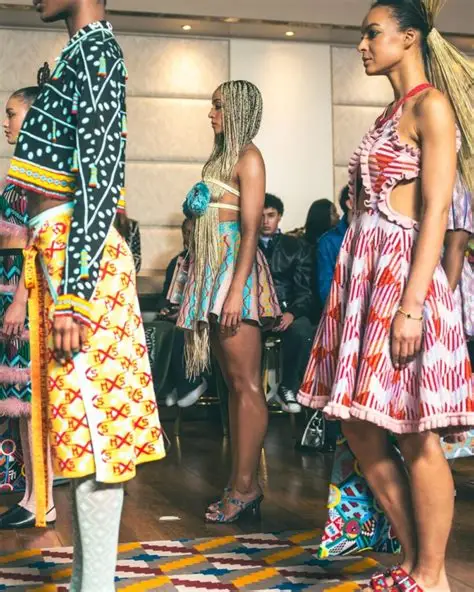
“The Hollywoodbets Durban July 2026 fashion showcase, under the theme Country Allure, emphasized eco-conscious innovation alongside traditional African aesthetics. Designers, influencers, and brands demonstrated how sustainability and heritage can coexist, reshaping South Africa’s global fashion identity.”
The Durban July 2026, South Africa’s premier fashion spectacle, unfolded with a bold theme: Country Allure. This year’s showcase was not merely about glamour; it was a profound statement on the future of fashion in South Africa, where eco-consciousness and cultural authenticity are inseparable. The event highlighted how sustainability and heritage can coexist, redefining the trajectory of South African design.
Sustainability at the Core
Designers placed sustainability front and center:
- Biodegradable textiles: Cape Town labels experimented with fabrics designed to decompose naturally, reducing landfill waste.
- Upcycled denim: Johannesburg streetwear brands repurposed sneakers and denim, proving that circular fashion can be stylish and accessible.
- Natural textures: Linen, hemp, and organic cotton dominated collections, reinforcing eco-conscious aesthetics.
This emphasis reflects broader market dynamics: South Africa’s sustainable fashion market is projected to reach USD 680.66 million by 2033, growing at a CAGR of 25.27% from 2026.
Cultural Heritage Meets Innovation
The event celebrated Zulu beadwork, Ndebele-inspired prints, and Xhosa silhouettes, reimagined for modern wardrobes. These motifs were not nostalgic reproductions but innovative reinterpretations, blending tradition with contemporary cuts. This cultural revival positioned South Africa as a hub for culturally sustainable fashion, where heritage is actively reimagined for global relevance.
Designer Highlights
- Gert-Johan Coetzee unveiled couture gowns for Kefilwe Mabote and Lerato Kganyago, merging countryside motifs with avant-garde precision.
- Emerging designers introduced neon-updated animal motifs and metallic fabrics, symbolizing the fusion of heritage and futurism.
These bold reinterpretations demonstrated how South African fashion is simultaneously rooted in tradition and forward-looking.
Influencer Narratives
Influencers amplified the sustainability message:
- Thobeka “Thobi Rose” Mthembu and Juicy Jay Jwacu embraced countryside authenticity by road-tripping from Johannesburg to Durban, turning their journey into a sustainable fashion statement.
- Somizi Mhlongo and Zola Mhlongo arrived via private jet, embodying luxury interpretations of Country Allure.
Their contrasting narratives highlighted the tension between authentic rural engagement and luxury spectacle, sparking debate about the balance between heritage and modernity.
Economic and Cultural Impact
The Durban July is not only a fashion spectacle but also an economic driver:
- Tourism surged as international visitors flocked to Durban.
- Local artisans gained visibility, with beadwork and handwoven textiles showcased on global platforms.
- The event reinforced South Africa’s positioning as a cultural capital where tradition meets innovation.
Conclusion
The Durban July 2026 was more than a fashion show—it was a manifesto for the future of South African design. By merging sustainability with cultural heritage, the event demonstrated that fashion can be both environmentally responsible and deeply rooted in identity. As South Africa continues to assert itself on the global stage, the Durban July stands as a beacon of how tradition and innovation can coexist, shaping a fashion future that is both authentic and forward-looking.



