




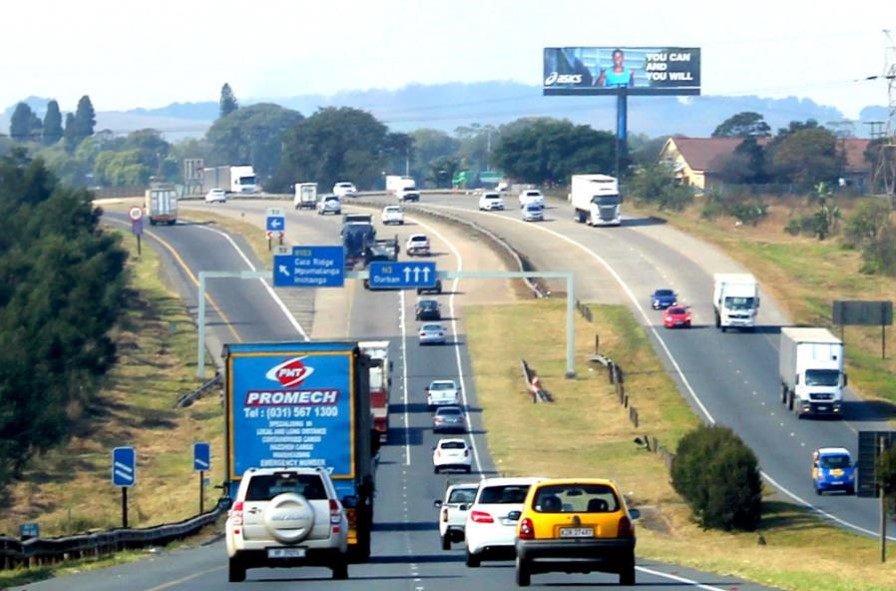
“Heavy rains, ongoing construction, and lane restrictions have created severe travel disruptions across KwaZulu-Natal’s major transport corridors, particularly the N3 and N2 highways. Authorities are urging motorists to reduce speed, maintain safe distances, and plan for significant delays during their commutes.”
Transport in KwaZulu-Natal has once again come under strain as adverse weather conditions combine with extensive roadworks to create a perfect storm of delays, congestion, and safety risks. On Tuesday, 22 September 2026, commuters across Pietermaritzburg, Durban, and the Midlands woke up to warnings of wet roads, lane restrictions, and malfunctioning traffic signals, all of which have compounded the challenges of daily travel. The situation highlights the ongoing tension between infrastructure development and commuter convenience, raising questions about planning, safety, and resilience in South Africa’s transport sector.
Current Conditions on the N3
The N3, South Africa’s busiest freight and commuter corridor linking Durban to Johannesburg, is experiencing multiple disruptions. Roadworks between Ashburton and New England Road have forced lane restrictions, while contraflow systems near Hammarsdale and Key Ridge are slowing traffic to a crawl. Wet conditions and mist between Pietermaritzburg, Hilton, and Van Reenen have reduced visibility, increasing the risk of accidents. Motorists are being advised to allow extra travel time and remain vigilant.
N2 Corridor Challenges
The N2, another critical artery connecting Durban to northern and southern coastal towns, is also under pressure. Construction around EB Cloete and Spaghetti Junction has created bottlenecks, while standing water between Amanzimtoti and Port Shepstone poses hydroplaning risks. Commuters heading towards Umhlanga, Ballito, and Stanger are facing delays due to lane restrictions and congestion.
Urban Transport Disruptions
Within Durban itself, congestion along the M4 and southern corridors has worsened due to wet conditions and ongoing construction. Malfunctioning traffic lights on Market Road in Pietermaritzburg have added to commuter frustration, forcing drivers to navigate intersections with extreme caution. These urban disruptions highlight the fragility of city transport systems when weather and infrastructure issues collide.
Safety Concerns
Authorities have emphasized the importance of safety during this period. Reduced visibility, slippery roads, and lane changes increase the likelihood of accidents. Motorists are urged to reduce speed, maintain safe following distances, and avoid unnecessary travel during peak congestion. The combination of construction zones and wet weather has created hazardous conditions that demand heightened awareness.
Economic Impact
Transport disruptions in KwaZulu-Natal have significant economic implications. The N3 is a lifeline for freight moving between Durban’s port and Gauteng’s industrial hub. Delays in this corridor ripple across supply chains, affecting delivery schedules, retail inventories, and export timelines. Businesses reliant on just-in-time logistics face mounting costs as congestion slows freight movement.
Infrastructure Development vs. Commuter Strain
While roadworks are essential for long-term improvements, the short-term strain on commuters is undeniable. The construction of new carriageways and upgrades to toll plazas are part of broader efforts to modernize South Africa’s transport infrastructure. However, the lack of effective traffic management during peak construction periods raises questions about planning and coordination.
Public Response
Commuters have expressed frustration on social media, citing long delays and unsafe driving conditions. Calls for better communication from authorities and more efficient traffic management are growing louder. The public’s response underscores the need for balancing infrastructure upgrades with commuter convenience.
Long-Term Outlook
Experts argue that the disruptions, while painful, are necessary for long-term resilience. The upgrades to the N3 and N2 are expected to improve freight efficiency, reduce congestion, and enhance safety once completed. However, the current challenges highlight the importance of integrating weather resilience into infrastructure planning.
Conclusion
The transport chaos in KwaZulu-Natal today is a reminder of the delicate balance between infrastructure development and commuter needs. As South Africa invests in modernizing its transport corridors, authorities must ensure that short-term disruptions do not compromise safety or economic stability. For now, motorists are advised to remain patient, vigilant, and prepared for delays as the province navigates this challenging period.



