




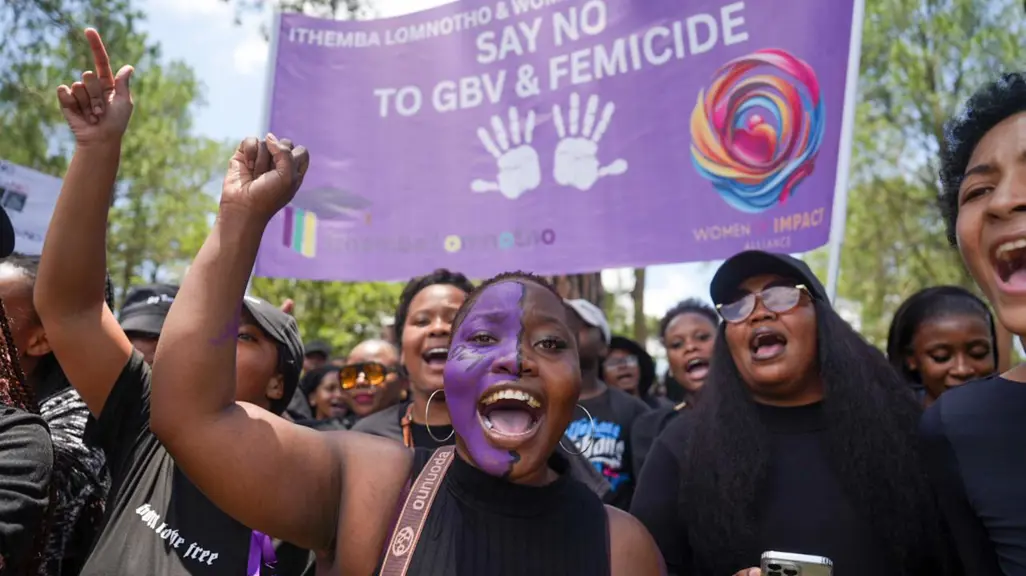
“Civil society activists in Gauteng organized a large protest against illegal immigration, demanding stronger government action while emphasizing peaceful conduct. Premier Panyaza Lesufi assured residents that law enforcement would ensure safety, but activists warned against xenophobic violence and political exploitation of the issue.”
On 24 June 2026, Gauteng became the epicenter of a heated political and social debate as activists, community leaders, and political parties converged in a mass protest against illegal immigration. While the demonstration was framed as a call for stronger border enforcement and accountability from national government, it also exposed deep divisions in South Africa’s political landscape, particularly around xenophobia, human rights, and the role of activism in shaping policy.
Background
South Africa has long grappled with immigration challenges, with porous borders and economic disparities fueling tensions between citizens and foreign nationals. Activist groups argue that unchecked migration strains public services, exacerbates unemployment, and contributes to crime. However, human rights organizations caution that such protests often mask xenophobic sentiments, leading to violence against vulnerable communities.
Premier Panyaza Lesufi’s statement ahead of the protest was pivotal: he urged demonstrators to march peacefully, warning that law enforcement would quell any criminality. His intervention underscored the government’s delicate balancing act—acknowledging public frustration while preventing escalation into violence.
Activism and Civil Society
Civil society organizations played a central role in mobilizing the protest. Groups such as community forums, neighborhood associations, and grassroots activist networks framed the march as a legitimate political expression. Their demands included:
- Stronger border controls to prevent undocumented migration.
- Transparent government policy on asylum seekers and refugees.
- Accountability from Home Affairs regarding corruption and inefficiency in immigration processes.
Activists emphasized that the protest was not anti-foreigner but rather a call for lawful governance. Yet, critics noted that slogans and rhetoric from some participants carried xenophobic undertones, raising concerns about the broader implications.
Political Parties’ Involvement
Political parties seized the moment to advance their agendas. The Democratic Alliance (DA) called for hostel redevelopment programs to address overcrowding and tensions between locals and migrants. The Economic Freedom Fighters (EFF), meanwhile, finalized their manifesto for the upcoming local government elections, positioning themselves as defenders of marginalized communities.
This intersection of activism and politics highlighted how protests serve as battlegrounds for competing narratives—citizens demanding accountability, politicians leveraging discontent, and activists striving to maintain legitimacy.
Law Enforcement and Security
Law enforcement agencies prepared extensively for the protest, deploying officers across Gauteng to monitor hotspots. The Premier’s assurance of safety reflected fears of past incidents where anti-immigrant protests devolved into violence. Activists themselves urged participants to avoid confrontation, recognizing that any outbreak of violence would undermine their credibility.
Broader Implications
The protest carries significant implications for South Africa’s political climate:
- Human Rights Concerns: International observers warn that targeting migrants risks violating South Africa’s constitutional commitments to equality and dignity.
- Electoral Politics: With local government elections approaching, parties are likely to weaponize immigration debates to mobilize voters.
- Activism’s Role: The protest demonstrates activism’s power to shape political discourse, forcing leaders to respond to grassroots demands.
Voices from the Ground
Interviews with protesters revealed a mix of motivations. Some expressed frustration over unemployment and crime, blaming undocumented migrants. Others emphasized solidarity, insisting that the protest was about government accountability rather than hostility toward foreigners. Human rights activists on the ground distributed pamphlets urging nonviolence and reminding participants of South Africa’s history of solidarity during apartheid.
Conclusion
The Gauteng protest illustrates the complex interplay between activism and politics in South Africa. While activists succeeded in drawing national attention to immigration issues, the event also exposed risks of xenophobia and political opportunism. Premier Lesufi’s call for peaceful conduct may have prevented immediate violence, but the underlying tensions remain unresolved.
As South Africa heads toward the 2026 local elections, activism around immigration will likely intensify, shaping both policy debates and electoral outcomes. The challenge for activists, politicians, and civil society alike will be to ensure that legitimate concerns do not devolve into division and violence, but instead foster constructive dialogue and reform.



