




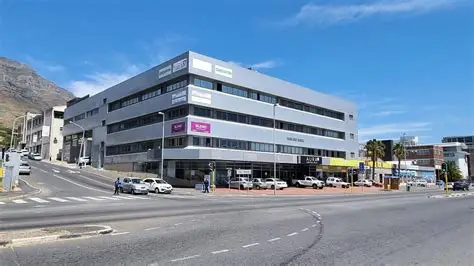
“Aucor Property’s national auction, held at The Houghton Golf Club in Johannesburg, showcased a diverse portfolio of commercial, industrial, residential, and vacant land parcels, drawing intense investor interest. The event highlights land’s growing role as a strategic asset for urban renewal, logistics expansion, and sustainable development in South Africa.”
South Africa’s commercial real estate sector entered a pivotal phase this week with the highly anticipated Aucor national property auction, held at The Houghton Golf Club in Johannesburg. The event, widely regarded as one of the most influential property auctions of 2026, attracted investors from across the country and abroad, eager to secure strategically located parcels of land and redevelopment opportunities. Against a backdrop of economic uncertainty, fluctuating interest rates, and ongoing debates around land reform, the auction underscored the resilience of land as an investment category and its central role in shaping South Africa’s urban future.
Auction Highlights
The auction portfolio was diverse, reflecting the breadth of opportunities available in South Africa’s property market:
- Commercial Redevelopment Sites in Durban: With the city’s expanding urban corridors, retail and mixed-use projects drew strong bids.
- Industrial Land in Gauteng: Demand for logistics and warehousing fueled investor interest, particularly in Johannesburg, the country’s economic hub.
- Vacant Land in Cape Town: Lifestyle-driven residential projects remain in high demand, with semigration trends continuing to boost the Western Cape market.
- Residential Complexes & Student Housing: Catering to South Africa’s rising urban population, these properties highlighted the intersection of real estate and social infrastructure.
Investor Sentiment
Investor confidence was buoyed by several factors:
- Lower repo rates (6.75% in early 2026), which improved financing conditions.
- Urbanization trends, particularly in Johannesburg, Cape Town, and Durban, driving demand for redevelopment.
- Repurposing opportunities, with older properties being transformed into modern housing estates, retail hubs, and industrial parks.
This optimism reflects a broader recognition that land is not merely a finite resource but a catalyst for economic growth and sustainable development.
Market Context
South Africa’s land market has faced challenges, including:
- Economic uncertainty linked to fluctuating interest rates.
- Urbanization pressures, with rapid population growth in major cities.
- Policy debates around land reform and redistribution, shaping investor sentiment.
Despite these hurdles, land remains a resilient investment category, particularly in high-demand urban and peri-urban areas.
Regional Breakdown
- Gauteng: Industrial land parcels were the highlight, reinforcing the province’s role as South Africa’s economic powerhouse.
- KwaZulu-Natal: Redevelopment sites in Durban attracted strong bids, driven by infrastructure upgrades and port expansion.
- Western Cape: Vacant land near Cape Town continued to be in demand, particularly for lifestyle-driven residential projects.
Risks and Challenges
While investor enthusiasm was evident, several risks remain:
- Regulatory hurdles related to zoning and land use.
- Community resistance to certain projects, particularly in rural areas.
- Infrastructure bottlenecks, despite ongoing government upgrades.
These challenges underscore the importance of strategic planning and stakeholder engagement in ensuring that development projects deliver long-term value.
Strategic Importance of Land
Land is increasingly viewed as a cornerstone of South Africa’s economic future. Beyond its role as a finite resource, it is a catalyst for:
- Urban renewal, revitalizing older neighborhoods and creating modern, sustainable communities.
- Industrial expansion, supporting logistics, warehousing, and manufacturing.
- Sustainable development, aligning with global trends toward environmentally conscious real estate practices.
Conclusion
The Aucor July Auction has reaffirmed the centrality of land in South Africa’s commercial real estate market. By offering investors access to strategically located parcels across the country, the event has not only sparked immediate investor frenzy but also highlighted the long-term opportunities inherent in land investment. As South Africa continues to grapple with economic challenges and policy debates, land remains a resilient and transformative asset—one that will shape the country’s urban landscapes and economic trajectory for decades to come.



