




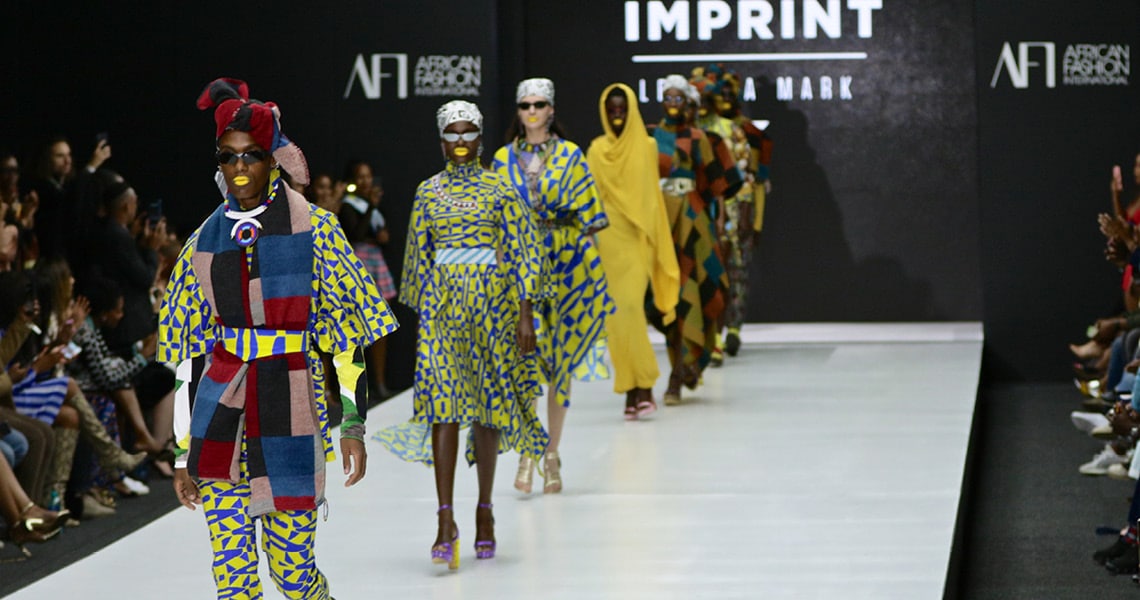
“The Durban July 2026 fashion showcase highlighted heritage-inspired prints, bold colour palettes, and eco-conscious beauty innovations, redefining South Africa’s role in global fashion. With sustainability at the core, designers fused traditional motifs with futuristic aesthetics, creating a uniquely South African beauty identity.”
South Africa’s fashion and beauty industry has always been a mirror of culture, identity, and innovation. In 2026, this mirror reflects a dynamic transformation: heritage prints, bold colours, and sustainable beauty practices are converging to create a distinctly South African aesthetic that resonates globally. The Durban July 2026 showcase, one of the country’s most anticipated fashion events, became the stage where this transformation unfolded.
Heritage Prints and Cultural Identity
At the heart of the showcase were Ndebele and Zulu-inspired motifs, reimagined into modern silhouettes. Designers incorporated beadwork, geometric patterns, and traditional colour schemes into gowns, streetwear, and accessories. This revival of heritage prints reinforced cultural pride while appealing to international audiences, ensuring South African fashion remains distinctive in a homogenized global market.
Beauty trends mirrored this cultural resurgence. Makeup artists leaned into earthy tones and jewel-inspired palettes, echoing the fabrics on display. Hairstyles incorporated traditional braiding techniques, adorned with beads and metallic accents, blending heritage with futurism.
Bold Colour Palettes Defining 2026
Colour was a central theme. Earthy neutrals like sand and stone grounded collections in South Africa’s landscapes. Jewel tones—emerald green, sapphire blue, ruby red—added vibrancy to both fashion and beauty looks. Metallics such as chrome silver and rose gold connected fashion to digital culture, while pastels balanced boldness in summer collections.
In beauty, these palettes translated into statement eye shadows, metallic lip glosses, and pastel nail art, creating a cohesive aesthetic between fashion and personal beauty expression.
Streetwear as Cultural Backbone
Streetwear continued to dominate youth fashion, influenced by Amapiano music and nightlife culture. Oversized silhouettes, layered jewellery, and statement sunglasses defined the look. Beauty trends complemented this with glossy skin finishes, bold eyeliner, and neon accents, reinforcing streetwear’s role as a cultural marker of identity and rebellion.
Social media amplified these aesthetics, with influencers showcasing their Durban July looks across platforms, making South African streetwear and beauty globally visible.
Sustainability at the Core
Perhaps the most significant development was the emphasis on sustainability. Cape Town labels experimented with biodegradable textiles, while Johannesburg brands showcased upcycled denim and sneakers. Beauty brands joined the movement, introducing eco-friendly packaging, plant-based skincare, and cruelty-free cosmetics.
This alignment between fashion and beauty demonstrated South Africa’s commitment to circular economy principles, positioning the industry as a leader in sustainable innovation.
Designer Highlights
- Gert-Johan Coetzee unveiled couture gowns blending countryside motifs with avant-garde precision.
- Emerging designers introduced neon-updated animal prints and metallic fabrics, symbolizing futurism.
- Beauty houses launched organic skincare lines and heritage-inspired makeup collections, reinforcing the synergy between fashion and beauty.
Global Impact
The Durban July 2026 showcase was not just a local event—it was a global statement. By merging heritage, sustainability, and futurism, South Africa positioned itself as a hub of innovative design and beauty culture. International fashion media praised the event, noting its ability to balance cultural authenticity with global relevance.
Conclusion
The Durban July 2026 proved that South African fashion and beauty are not merely following global trends—they are setting them. With heritage prints, bold colours, and sustainability at the forefront, the industry is reshaping global conversations about identity, culture, and innovation.



