




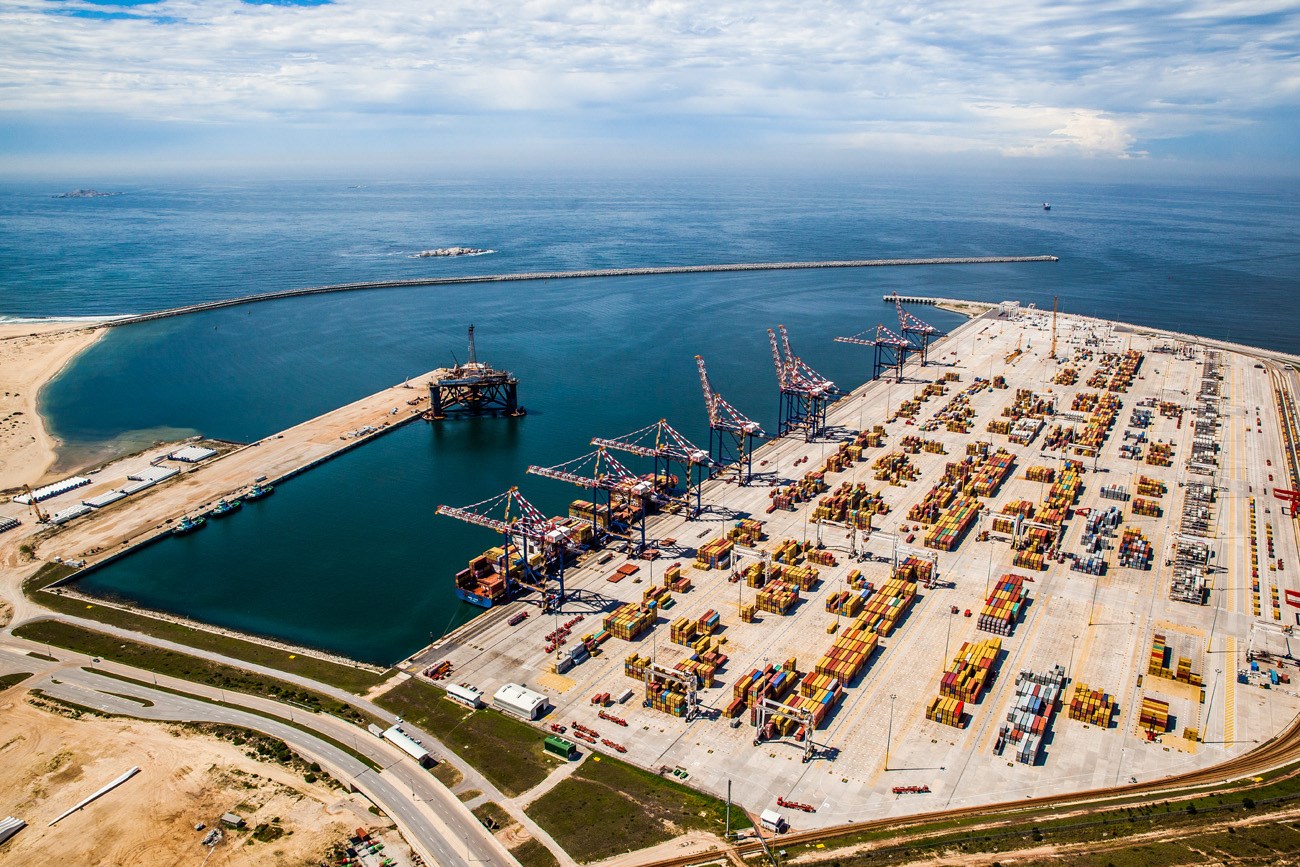
“Massive industrial investments in Coega and Ngqura are transforming Gqeberha into one of South Africa’s fastest-growing property markets. The influx of capital is driving housing demand, boosting rentals, and strengthening investor confidence in long-term real estate growth.”
South Africa’s property market continues to show resilience in 2026, but nowhere is this more evident than in Gqeberha. The city, historically known for its automotive industry, is now experiencing a real estate renaissance fueled by billions of rands in industrial investment at the Coega Special Economic Zone and Ngqura deep-water port. This surge is not only reshaping the local economy but also redefining investor sentiment across the country.
Industrial Investment as a Catalyst
The Coega SEZ and Ngqura port have attracted large-scale foreign and domestic capital, with infrastructure projects ranging from logistics hubs to renewable energy plants. These developments are creating thousands of jobs, which in turn are driving demand for housing. Investors are increasingly viewing Gqeberha as a strategic node where industrial growth directly translates into real estate opportunities.
Housing Demand and Rental Market
With new employment opportunities, the influx of workers has intensified demand for both affordable and mid-market housing. Rental yields in key suburbs such as Summerstrand and Walmer have already risen by 8–12% year-on-year, making Gqeberha one of the most attractive rental markets in South Africa. Developers are responding with mixed-use projects that combine residential, retail, and office spaces, catering to a growing middle-class population.
Investor Confidence
The property boom is underpinned by strong investor confidence. Analysts note that capital inflows into Gqeberha’s property sector exceeded R10 billion in the first half of 2026, a figure unmatched by most other South African cities. This confidence stems from the city’s diversified economy, strategic coastal location, and government-backed infrastructure projects.
Regional Comparisons
While Cape Town and Johannesburg remain dominant in luxury and commercial real estate, Gqeberha’s growth trajectory is unique. Unlike speculative booms, the city’s property surge is grounded in tangible industrial expansion. This makes it less vulnerable to short-term shocks and more appealing to long-term investors seeking stability.
Risks and Challenges
Despite the optimism, challenges remain. Rising interest rates continue to affect mortgage affordability, and developers must balance rapid expansion with sustainable urban planning. Additionally, infrastructure strain—such as water and electricity supply—poses risks if not addressed alongside property growth.
Long-Term Outlook
Experts forecast that Gqeberha’s property prices could grow by 7–10% annually over the next five years, outpacing national averages. The city is expected to evolve into a major investment hub, with industrial growth sustaining real estate demand well into the 2030s.
Conclusion
The billions flowing into Gqeberha’s industrial zones are not just building factories—they are building communities, reshaping urban landscapes, and redefining South Africa’s property investment map. For investors, the city represents a rare convergence of industrial expansion and real estate opportunity, making it the standout story in South Africa’s property sector today.



