




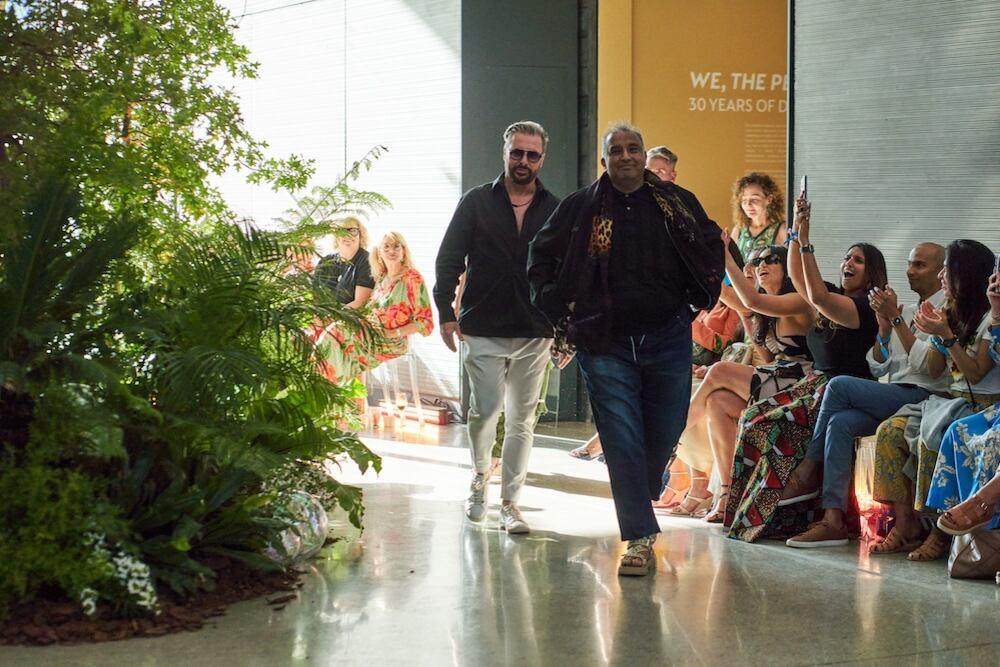
“Cape Town Resort Collections returns on 28 November 2026 at Glen Dirk Estate in Constantia, bringing established and emerging South African designers together to showcase Spring/Summer resort fashion. The eighth edition, titled The Market Edit, aims to connect local creative talent with consumers and commercial opportunities while encouraging greater support for South African fashion businesses.”
South Africa’s fashion industry is preparing for another important celebration of local creativity as Cape Town Resort Collections returns on Saturday, 28 November 2026. The eighth edition of the fashion showcase will bring together established designers, emerging creative talent, fashion professionals and consumers at Glen Dirk Estate in Constantia, Cape Town.
The event, titled The Market Edit, is designed to offer something beyond the traditional fashion runway. It aims to create a stronger relationship between South African designers and the people who purchase, distribute and support their products. By combining fashion presentations with commercial opportunities, the showcase highlights the importance of building a sustainable local fashion industry.
With the summer holiday season approaching, the timing also provides an opportunity for designers to introduce their Spring/Summer 2027 resort collections to audiences preparing for festive celebrations, travel and seasonal shopping.
The event has attracted attention because of its emphasis on supporting South African fashion businesses, encouraging local purchasing and providing opportunities for emerging designers to develop their commercial potential.
An important event on Cape Town’s fashion calendar
Cape Town Resort Collections has established itself as a platform for showcasing South African fashion and bringing creative professionals together. Its eighth edition demonstrates the continued interest in events that give local designers opportunities to present their work outside conventional retail environments.
The 2026 showcase takes place at Glen Dirk Estate, a historic property in the Constantia Valley. The setting offers an alternative to conventional indoor fashion venues and supports the event’s market-inspired approach.
Rather than focusing exclusively on a raised runway, The Market Edit draws inspiration from a summer marketplace. Models and collections are expected to move through the estate grounds, giving guests a more immersive opportunity to experience the garments and their surroundings.
This approach creates an opportunity for audiences to appreciate fashion as both an artistic expression and a commercial product. Visitors can engage with the designers, discover new collections and develop a better understanding of the creative work behind the clothing.
The event is scheduled for 15:00 to 18:00 on 28 November 2026.
Supporting established and emerging designers
One of the important objectives of Cape Town Resort Collections is to create opportunities for designers at different stages of their careers.
South Africa has a diverse fashion industry, with designers working across contemporary clothing, luxury fashion, streetwear, resort wear and culturally inspired collections. However, creative talent alone does not guarantee commercial success.
Designers also need access to customers, retailers, manufacturers, distribution networks and professional industry relationships.
The 2026 event includes Futurewear alumni Sipho Mbuto and Fikile Sokhulu. Their participation illustrates the value of continuing to create opportunities for designers after they have completed an initial development or mentorship programme.
Emerging designers frequently face challenges when attempting to move from producing individual collections to operating established fashion businesses. They need opportunities to demonstrate the quality of their work, understand consumer demand and establish relationships that can support future growth.
Fashion showcases can help address some of these challenges by providing visibility and connecting designers with potential customers and industry stakeholders.
For established designers, meanwhile, the event provides an opportunity to strengthen brand recognition and introduce new collections to audiences interested in locally produced fashion.
Gavin Rajah’s vision for local fashion
A central idea behind this year’s showcase is the importance of supporting South African designers beyond the excitement of the runway.
Fashion designer and mentor Gavin Rajah has emphasised the need for commercially meaningful opportunities that help local designers turn creative talent into sustainable businesses.
The collaboration with Pick n Pay Clothing reinforces the commercial direction of the event. It connects fashion creativity with retail opportunities and encourages consumers to consider locally designed clothing when making purchasing decisions.
This relationship is important because the fashion industry depends on more than designers alone. A successful clothing business involves several interconnected professionals, including manufacturers, patternmakers, machinists, photographers, stylists, models and retailers.
When consumers purchase locally designed products, the economic benefits can extend across these different parts of the value chain.
The showcase therefore positions fashion as an economic activity as well as a cultural and artistic industry.
It also raises an important question for the South African fashion sector: how can local designers build brands that remain commercially competitive while maintaining their distinctive creative identities?
Cape Town Resort Collections provides one platform for exploring that question.
The importance of the summer fashion season
The November timing is particularly relevant to South African retailers and designers.
As the country moves towards the festive season, consumer interest in summer clothing, holiday wardrobes and special-occasion fashion typically becomes more prominent.
Resort collections are particularly suited to this period because they feature clothing designed for warmer weather, travel, leisure and social occasions.
For designers, the season provides an opportunity to introduce lightweight garments, distinctive silhouettes, colourful designs and clothing suited to summer lifestyles.
For consumers, fashion events provide an opportunity to discover alternatives to mass-produced international clothing.
Local designers can also use the summer season to communicate the inspiration behind their collections and explain how their products reflect South African experiences, creativity and cultural influences.
This is particularly valuable in a competitive retail environment where local fashion businesses must work hard to distinguish their products from imported alternatives.
By positioning its collections within the summer shopping season, Cape Town Resort Collections aims to make local fashion more visible at a time when consumers are actively considering their clothing purchases.
Fashion as a commercial opportunity
A major issue affecting independent fashion businesses is the difficulty of converting creative recognition into consistent sales.
A designer may attract considerable attention through a successful runway presentation, but building a sustainable company requires more than media exposure.
Businesses need reliable production processes, appropriate pricing, access to materials, customer relationships and effective distribution arrangements.
This is where commercially focused fashion events can make a difference.
The Market Edit seeks to bring designers closer to consumers and the wider fashion marketplace. Instead of treating the runway as the final destination, the event places greater emphasis on the relationship between creative presentation and purchasing opportunities.
The approach can help consumers discover brands they might not otherwise encounter in mainstream shopping environments.
It can also help designers better understand the preferences of their target audiences.
For participating businesses, direct interaction with customers can provide valuable feedback about garment design, quality, pricing and future collections.
These experiences can inform business decisions and contribute to the development of stronger local brands.
The collaboration with Pick n Pay Clothing also illustrates the potential importance of relationships between independent designers and established retail businesses.
The wider impact on South Africa’s creative economy
The significance of fashion events extends beyond the clothing displayed during a presentation.
South Africa’s fashion sector forms part of a wider creative economy that includes photography, entertainment, event management, marketing, manufacturing, design education and retail.
A fashion showcase requires the participation of numerous professionals. Organisers coordinate venues and production, designers prepare collections, models present garments, photographers document the event and stylists help create the overall visual experience.
These activities create opportunities for creative businesses and independent professionals.
Fashion events can also encourage collaboration between different industries. Retail companies, hospitality businesses, media organisations and sponsors can participate in the same platform, creating commercial relationships that extend beyond the event itself.
Cape Town Resort Collections demonstrates how fashion can bring these different stakeholders together.
The event’s focus on emerging designers is particularly important for the next generation of creative entrepreneurs. Young designers need opportunities to build portfolios, gain professional exposure and establish relationships with people who can support their development.
Providing such opportunities can strengthen the broader fashion ecosystem and encourage more participation in the local industry.
Celebrating African creativity and identity
South African fashion has an opportunity to communicate cultural identity through contemporary design.
Designers frequently draw inspiration from local communities, heritage, landscapes, traditional craftsmanship and modern urban lifestyles.
These influences can create collections that are distinctive while remaining relevant to international fashion markets.
Events such as Cape Town Resort Collections give designers an opportunity to present these ideas directly to audiences.
The marketplace-inspired presentation also encourages visitors to look beyond the appearance of individual garments and consider the stories, creative processes and businesses behind them.
This is particularly relevant at a time when consumers increasingly encounter fashion brands through digital platforms and international retail channels.
Local showcases help bring the creative process closer to the public and create opportunities for personal interaction between designers and customers.
Challenges facing local fashion businesses
Despite the opportunities presented by fashion events, South African designers continue to operate in a competitive commercial environment.
Independent businesses may face challenges relating to production costs, access to financing, supply chains, retail distribution and consumer purchasing power.
They must also compete with established international brands and inexpensive imported products.
For emerging designers, these pressures can make it difficult to maintain consistent production while developing a recognisable brand.
Fashion events cannot solve all these challenges. However, they can contribute to a stronger industry by increasing visibility, encouraging local purchasing and creating opportunities for business relationships.
The success of initiatives such as The Market Edit will ultimately depend on whether the relationships created during the showcase continue after the event.
Long-term support from consumers, retailers, manufacturers and industry partners remains essential.
What the event means for consumers
For fashion-conscious consumers, Cape Town Resort Collections provides an opportunity to discover South African design during the summer shopping season.
Visitors can experience collections from established and emerging designers while gaining insight into the businesses and creative ideas behind the garments.
The event also encourages consumers to think differently about their clothing purchases.
Choosing locally designed products can help support independent businesses and professionals involved in the domestic fashion supply chain.
However, consumers also need access to garments that meet their expectations regarding quality, design, availability and price.
Connecting creative talent with realistic consumer demand is therefore an important part of building a stronger local fashion market.
Conclusion
Cape Town Resort Collections 2026 represents an important opportunity to celebrate South African fashion while placing greater emphasis on commercial sustainability and local economic participation.
Through The Market Edit, the eighth edition brings together established designers, emerging creative talent and consumers in a marketplace-inspired fashion experience.
The involvement of Futurewear alumni Sipho Mbuto and Fikile Sokhulu highlights the importance of supporting developing designers, while the collaboration with Pick n Pay Clothing reinforces the relationship between creative production and retail opportunities.
As the festive season approaches, the showcase provides a timely platform for presenting Spring/Summer 2027 collections and encouraging consumers to support locally designed fashion.
Ultimately, the event’s wider significance lies in its message that South African fashion deserves more than temporary attention. It needs consistent consumer support, commercial opportunities, professional partnerships and investment in creative talent.
By bringing these priorities together, Cape Town Resort Collections contributes to the continuing conversation about the future of the South African fashion industry.



