




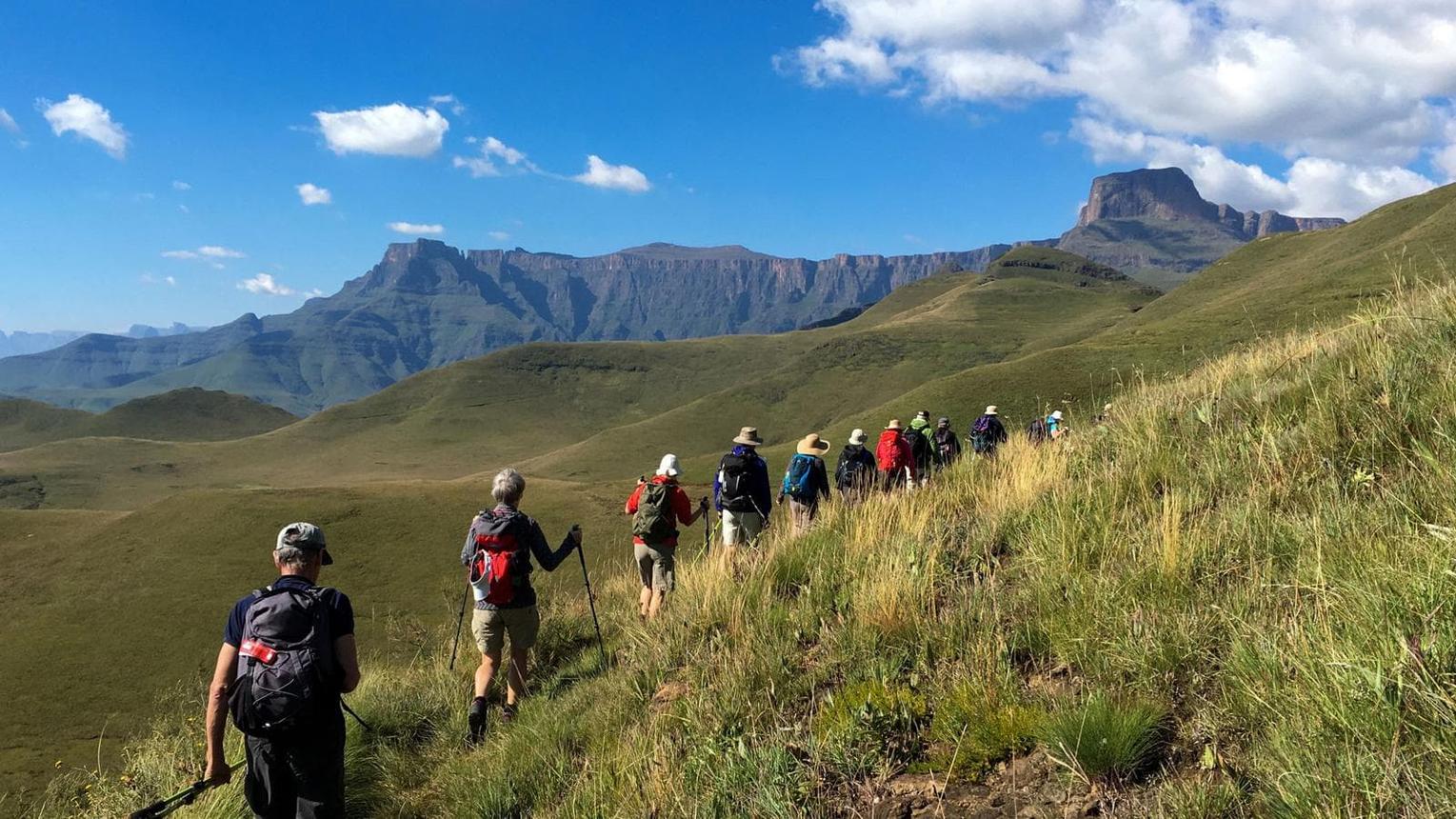
“South Africa’s international tourism industry is experiencing significant growth, with 1,020,249 international tourists visiting the country in October 2026, representing a 10% increase compared with October 2025. The growing number of visitors creates opportunities for adventure tourism, including hiking, wildlife experiences, mountain activities, outdoor exploration and nature-based travel businesses.”
South Africa’s Growing Tourism Industry Opens New Opportunities for Adventure Travel and Outdoor Experiences
International visitor growth puts South Africa’s mountains, wildlife destinations, hiking trails and adventure attractions in the spotlight
Introduction
South Africa’s tourism industry is experiencing renewed momentum following the arrival of more than one million international tourists in October 2026. The latest figures highlight the country’s growing popularity among international travellers and create encouraging prospects for businesses operating in adventure tourism, outdoor recreation, wildlife experiences and nature-based travel.
According to figures reported by Cape Town Etc on 28 November 2026, South Africa welcomed 1,020,249 international tourists during October. This represents a 10% increase compared with October 2025. Furthermore, the country’s international arrivals for the first ten months of 2026 reached 9,437,084, reflecting year-on-year growth of 10.2%.
Although these figures cover tourism as a whole rather than adventure travel alone, they are particularly significant for adventure operators because South Africa’s natural landscapes, national parks, mountains, rivers and coastlines form an important part of its visitor offering.
The development comes at an important time as the country enters its busy summer and festive travel season. With international recognition for its nature and wildlife experiences, South Africa has an opportunity to strengthen its position as a destination for travellers seeking more than conventional holidays.
International tourist arrivals strengthen the tourism outlook
The latest tourism statistics indicate that international interest in South Africa remains strong. During October, the country welcomed 39,184 visitors from the United Kingdom, compared with 29,583 from the United States. This means the UK moved ahead of the US as South Africa’s largest overseas source market for that month.
Meanwhile, arrivals from the rest of the African continent increased by 13.8% compared with October 2025. Growth from African markets reached 12.3% for the first ten months of the year.
These developments matter to adventure tourism businesses because international and regional visitors have different travel interests, spending patterns and holiday expectations.
Some travellers may be interested in multi-day hiking expeditions, mountain climbing and guided wilderness experiences. Others may prefer wildlife safaris, coastal activities, scenic road trips, camping, cycling and shorter outdoor excursions.
The increasing number of visitors creates opportunities for tourism operators to develop packages that appeal to different budgets, experience levels and travel preferences.
For South Africa, the challenge is to convert growing international interest into meaningful visitor experiences that encourage travellers to explore several destinations and remain in the country for longer.
Adventure tourism becomes an important part of South Africa’s appeal
South Africa has a diverse natural environment that supports a wide range of outdoor activities. Its mountains, indigenous forests, rivers, waterfalls, protected areas and coastlines provide opportunities for both experienced adventurers and visitors looking for accessible outdoor recreation.
The Drakensberg Mountains, for example, offer spectacular hiking landscapes, mountain routes and opportunities to explore natural attractions. The region’s dramatic scenery makes it attractive to visitors seeking challenging outdoor experiences and guided excursions.
In Limpopo, Magoebaskloof provides opportunities for forest walks, hiking and nature exploration. The area around Debengeni Falls combines waterfall scenery with outdoor recreation, making it suitable for visitors interested in relaxing nature escapes.
Mpumalanga also remains an important destination for adventure-oriented travel. The Panorama Route, with attractions including Lisbon Falls, Berlin Falls and Mac Mac Falls, allows visitors to combine sightseeing with hiking, forest exploration and mountain experiences.
These destinations were highlighted in South African Tourism’s 25 November 2026 outdoor adventure feature, which encourages travellers to explore waterfalls, natural pools and hiking experiences across the country.
Such destinations demonstrate how adventure tourism can complement traditional sightseeing and wildlife holidays.
Rather than simply visiting a destination for photographs, travellers can participate in activities that allow them to experience the landscape more closely.
Hiking and mountain adventures attract nature enthusiasts
Hiking remains one of the most accessible forms of adventure tourism in South Africa. It can accommodate different experience levels, from relatively short walking routes to demanding multi-day mountain expeditions.
The Drakensberg, Magaliesberg, Cederberg and other mountain regions offer opportunities for travellers to experience the country’s natural beauty while participating in physical outdoor activities.
In KwaZulu-Natal, the Drakensberg provides spectacular mountain scenery, including the Amphitheatre and the Tugela Falls area. Routes such as the Tugela Gorge trail attract hikers interested in dramatic mountain landscapes, river scenery and challenging terrain.
The Magaliesberg, meanwhile, offers hiking, climbing and birdwatching opportunities. Castle Gorge is among the natural attractions identified by South African Tourism as an outdoor destination where visitors can experience rugged terrain, waterfalls and natural pools.
Adventure tourism businesses can use these attractions to develop guided hiking packages, weekend excursions and longer outdoor holidays.
However, responsible planning remains essential. Visitors should consider their fitness levels, weather conditions, trail difficulty and available safety arrangements before attempting demanding routes.
Wildlife tourism continues to strengthen South Africa’s international reputation
Wildlife experiences are another important element of South Africa’s adventure tourism offering.
The country is internationally recognised for its national parks, conservation areas and opportunities to observe wildlife in natural environments.
The 2026 Wanderlust Reader Travel Awards recognised South Africa as the Most Desirable Destination for Nature and Wildlife. This recognition provides further positive international exposure for the country’s nature-based tourism sector.
Destinations such as Kruger National Park and other protected areas attract visitors interested in guided game drives, birdwatching, photography and conservation experiences.
For adventure travellers, wildlife tourism can form part of a broader itinerary that includes hiking, scenic drives and outdoor exploration.
There is also potential for tourism operators to develop educational experiences that introduce visitors to biodiversity, conservation and the importance of protecting natural habitats.
Nevertheless, wildlife tourism must remain responsible. Visitors should follow park regulations, maintain safe distances from animals and respect the natural environment.
Waterfall tourism creates opportunities for summer adventures
South African Tourism’s latest outdoor campaign also places attention on waterfall destinations as an important part of the country’s summer tourism offering.
Waterfalls provide attractive opportunities for photography, hiking, sightseeing and nature exploration. Some destinations also offer access to natural pools and river environments, although swimming conditions must always be checked before visitors enter the water.
The campaign highlights destinations across several provinces, including Debengeni Falls in Limpopo, Tugela Falls in KwaZulu-Natal, Castle Gorge in North West, the waterfalls of Mpumalanga and Magwa Falls in the Eastern Cape.
These destinations offer opportunities to combine several outdoor experiences within one holiday.
For example, visitors exploring the Panorama Route can include waterfall stops, scenic viewpoints and forest walks in their travel plans.
Similarly, travellers visiting Magoebaskloof can combine nature exploration with accommodation and other regional attractions.
The growing interest in outdoor holidays creates opportunities for local guides, accommodation providers, transport operators and activity businesses to work together.
Adventure tourism can support local employment and communities
Tourism growth has economic importance beyond the number of international arrivals.
Adventure tourism can generate business opportunities for local communities, particularly in destinations where natural attractions provide the foundation for visitor experiences.
Hiking guides, tour operators, accommodation establishments, restaurants, transport providers, outdoor equipment suppliers and small businesses can all benefit from increased visitor activity.
For rural communities, adventure tourism may provide opportunities to develop services around nearby mountains, rivers, waterfalls and conservation areas.
Small tourism businesses can also benefit from partnerships with established tour operators and accommodation providers.
However, tourism growth does not automatically guarantee that local communities receive economic benefits. Effective planning, local participation, skills development and responsible investment are necessary to ensure that tourism opportunities are distributed more widely.
Tourism Minister Patricia de Lille has emphasised the importance of attracting investment, diversifying the tourism offering and ensuring that communities benefit from employment and economic opportunities created by the sector.
This approach is particularly relevant to adventure tourism because many outdoor experiences take place in areas where local communities are closely connected to the surrounding environment.
The importance of safety and responsible outdoor travel
As more visitors explore South Africa’s outdoor destinations, safety must remain a priority.
Adventure activities naturally involve different levels of physical and environmental risk. Mountain hiking, river exploration, climbing and wilderness excursions require appropriate preparation.
Visitors should use reputable operators, check weather forecasts, carry sufficient water and appropriate equipment, and understand the difficulty of their chosen routes.
Tour operators should provide accurate information about activity requirements, emergency arrangements and potential hazards.
Waterfall destinations also require particular attention during the summer months. Heavy rainfall can change river conditions, increase water levels and create dangerous currents.
South African Tourism has specifically advised visitors to check local access arrangements and swimming conditions because water levels and safety conditions can change.
Responsible adventure travel also involves respecting wildlife, avoiding littering, staying on designated paths and protecting sensitive natural environments.
These practices help maintain the quality of South Africa’s outdoor destinations while protecting visitors and the environment.
Opportunities for adventure tourism businesses during the festive season
The increase in international arrivals comes as South Africa approaches the festive holiday period, when domestic and international travellers typically consider leisure trips and outdoor activities.
This creates opportunities for adventure tourism businesses to promote seasonal packages and experiences.
Operators can consider developing:
-
Guided mountain hiking and trekking packages.
-
Wildlife safari and conservation experiences.
-
Mountain biking and cycling excursions.
-
Waterfall exploration and nature walks.
-
Camping and wilderness accommodation packages.
-
Coastal adventure and water-based activities.
-
Family-friendly outdoor experiences.
-
Photography tours and birdwatching excursions.
Digital marketing can also help tourism businesses reach international visitors before they arrive in South Africa.
Travel websites, social media platforms, online booking services and partnerships with international travel agencies can increase awareness of lesser-known adventure destinations.
Smaller businesses may particularly benefit from combining accommodation, transport, guided activities and meals into convenient travel packages.
South Africa’s opportunity to compete in the international adventure travel market
South Africa’s growing visitor numbers provide an encouraging foundation for strengthening its international tourism competitiveness.
The country’s geographical diversity allows visitors to experience different environments within one holiday. Travellers can explore mountains, forests, beaches, wildlife reserves, waterfalls and cultural destinations.
This diversity creates opportunities to attract travellers with different interests.
Furthermore, the recognition received through the 2026 Wanderlust Reader Travel Awards reinforces the country’s reputation as an attractive destination for nature and wildlife tourism.
However, maintaining this international appeal will require continued investment in tourism infrastructure, visitor services, conservation and destination management.
Improving access to outdoor attractions, maintaining hiking trails, supporting trained guides and providing reliable visitor information will be important.
Adventure tourism businesses must also adapt to changing traveller expectations. Visitors increasingly want experiences that combine enjoyment, safety, environmental responsibility and opportunities to connect with local communities.
South Africa can strengthen its position by developing experiences that offer these benefits while preserving the natural resources that make its destinations attractive.
What the latest tourism figures mean for 2027
The October 2026 arrival figures provide a positive outlook as the country approaches the end of the year.
South Africa recorded 9,437,084 international tourist arrivals during the first ten months of 2026. This places the country closer to the 10.5 million international arrivals recorded in 2025.
The Department of Tourism has indicated that South Africa is well positioned to surpass that previous annual record, with two months remaining at the time of its 26 November announcement.
For adventure tourism businesses, the figures provide an encouraging reason to prepare for continued market development.
Tour operators, hiking establishments, safari businesses and outdoor accommodation providers can use this period to review their products, strengthen marketing strategies and develop partnerships.
There is also an opportunity to promote destinations outside the country’s best-known tourism centres.
Regional destinations with attractive natural environments can benefit from increased visibility and improved tourism connections.
The long-term success of this growth will depend not only on attracting more international visitors but also on creating experiences that encourage repeat visits and positive recommendations.
Conclusion
South Africa’s tourism industry is entering an encouraging period, supported by growing international arrivals and continued recognition of its natural attractions.
The arrival of 1,020,249 international tourists in October 2026 represents a significant milestone and highlights the country’s ability to attract visitors from international and African markets.
For the adventure travel sector, the development presents opportunities to expand hiking, wildlife tourism, waterfall exploration, mountain adventures and other nature-based experiences.
The country’s mountains, national parks, coastlines, rivers and forests offer a strong foundation for developing memorable outdoor holidays.
Nevertheless, sustainable growth will require responsible tourism practices, visitor safety, conservation investment and meaningful participation by local communities.
As South Africa moves towards 2027, adventure tourism has an opportunity to become an increasingly important part of the country’s broader tourism offering.
The central opportunity is clear: visitors are showing growing interest in South Africa, and the country can build on that momentum by offering high-quality outdoor experiences that protect its natural heritage while creating economic opportunities for its people.



