




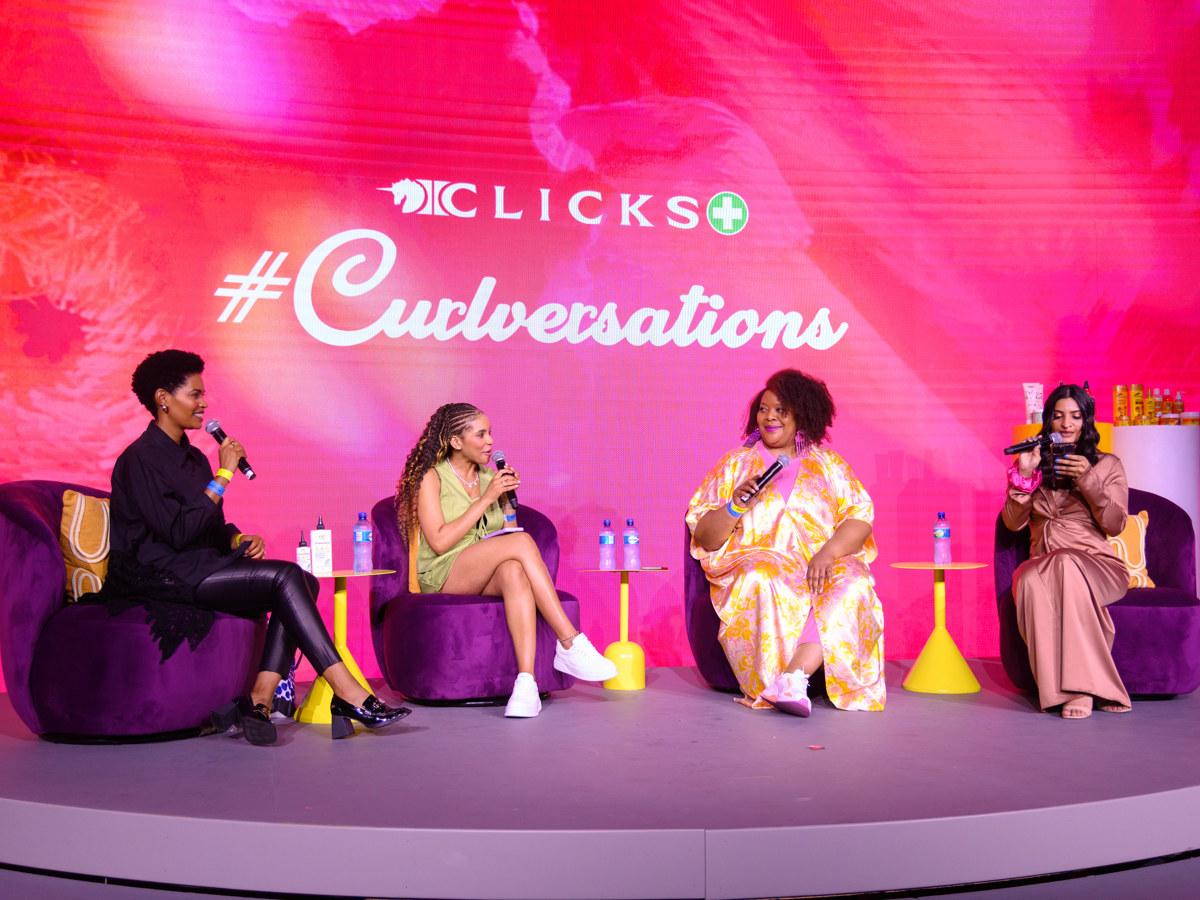
“Clicks Beauty Playground 2026 brings together more than 90 local and international beauty brands in Johannesburg on 17 and 18 October, showcasing skincare, makeup, haircare, grooming and wellness through interactive experiences and expert-led masterclasses. The event also spotlights South African beauty businesses, reflecting the growing importance of product accessibility, consumer education and homegrown innovation in the country’s beauty market.”
A major beauty gathering draws attention to South Africa’s evolving beauty industry
South Africa’s beauty and fashion industries are receiving renewed attention as retailers, product developers, beauty professionals and consumers come together for Clicks Beauty Playground 2026 in Johannesburg. Taking place on 17 and 18 October at the Gallagher Convention Centre in Midrand, the event offers an opportunity to explore the products, techniques and consumer trends shaping the country’s beauty landscape.
The programme features more than 90 local and international brands across skincare, makeup, haircare, grooming and wellness. Alongside product displays, visitors can explore interactive brand experiences, discover new launches and participate in complimentary masterclasses.
The event is significant because beauty is no longer limited to cosmetics applied before a special occasion. For many consumers, it encompasses everyday skincare, natural hair maintenance, personal grooming, fragrance, sun protection and wellness. Consequently, beauty retailers are competing not only on product selection but also on the quality of the information and experiences they offer customers.
Clicks Beauty Playground provides a public-facing example of this shift, bringing different parts of the beauty industry into one venue.
Local beauty brands take centre stage
One of the most notable aspects of the event is its emphasis on homegrown businesses. The published exhibitor line-up includes South African names such as Ethnogenics, Hermosa Flor, Legendary Barber, Love Kinks, Masodi, Pure Royal, Vida Is Life and VP Herbal, alongside established international brands.
For emerging beauty businesses, events of this kind can create opportunities to introduce products to potential customers, explain their ingredients and demonstrate how their offerings fit into everyday routines. Direct engagement may also help entrepreneurs understand what consumers want, which concerns influence purchasing decisions and how shoppers respond to different price points.
Local brands can bring distinctive perspectives to the market through their approaches to haircare, skincare, grooming and beauty traditions. However, visibility alone does not guarantee commercial success. Businesses must also demonstrate consistent quality, provide accurate product information, maintain reliable distribution and build consumer trust.
Retail exposure can be particularly valuable for smaller companies that do not have the marketing budgets of multinational competitors. Meeting customers in person allows founders and representatives to explain their products more clearly than a short online advertisement might permit.
The wider challenge is converting that attention into lasting business relationships. Customers who discover a new brand at an exhibition may later compare ingredients, read reviews, investigate prices and decide whether the product deserves a place in their routine.
For South Africa’s beauty entrepreneurs, the opportunity is therefore both promotional and educational.
Affordability becomes an important part of the beauty conversation
Beauty consumers face a crowded marketplace, with products available at different prices and positioned around a wide range of promises. For shoppers managing household budgets, choosing cosmetics and skincare requires balancing personal preferences with practical considerations.
This makes affordability an important issue for the industry. Consumers may want effective moisturisers, sunscreen, makeup, shampoos and treatments without spending unnecessarily on products that duplicate what they already own.
A beauty exhibition allows shoppers to compare brands and ask questions before committing to purchases. Where product demonstrations and expert guidance are available, visitors may also learn how to use products correctly and identify which options best suit their needs.
Nevertheless, a promotional event should not be confused with a guarantee that every product is discounted or that every visitor will find a suitable solution. Customers still need to compare prices, check product sizes and read labels.
Value also extends beyond the cheapest price. A product that suits an individual’s skin or hair needs and can be used consistently may provide better value than a cheaper alternative that does not meet those needs.
For retailers, explaining this distinction can strengthen customer relationships. Transparent information about ingredients, intended uses, product limitations and prices helps consumers make decisions based on more than packaging or influencer endorsements.
Skincare education moves beyond the beauty counter
Skincare remains an important component of the modern beauty industry, particularly as consumers encounter increasingly complex routines promoted across social media and advertising.
The Clicks Beauty Playground programme includes skincare experiences and opportunities to obtain advice, while the wider exhibitor list features established skincare names and emerging businesses. The event’s published programme also highlights sun protection and UV-related educational experiences.
Such activities can encourage visitors to think more carefully about daily skincare habits.
For example, consumers may benefit from understanding the difference between cleansing, moisturising and sun protection, rather than purchasing multiple products without a clear purpose. They may also need to consider whether a formula is appropriate for their skin type and whether its claims are supported by credible evidence.
Sun protection deserves particular attention in South Africa, where outdoor activities and exposure to ultraviolet radiation make protective habits relevant throughout the year. Sunscreen should be selected and used according to its instructions, alongside shade, protective clothing and other sensible precautions.
Beauty events can introduce consumers to products and explain basic routines, but they should not replace professional medical advice for persistent skin problems, severe irritation or suspected allergic reactions.
Consumers should also remain cautious about claims that a cosmetic product can treat medical conditions or deliver dramatic results within a few days. A well-informed purchasing decision involves looking beyond marketing language and understanding what a product is actually designed to do.
Haircare and textured hair remain important market categories
Haircare is another prominent part of the exhibition, with brands covering a variety of styling, maintenance and grooming needs. The published programme names businesses and products associated with curls, coils, professional haircare and everyday hair maintenance.
South Africa’s diverse population has a wide range of hair textures, styling preferences and grooming traditions. As a result, a single approach to haircare cannot meet everyone’s needs.
Consumers may seek products for moisture retention, scalp care, curl definition, protective styles, colour-treated hair or heat styling. They may also be interested in learning how to reduce breakage and select products compatible with their existing routines.
Demonstrations and conversations with knowledgeable brand representatives can help shoppers understand differences between product categories. However, recommendations should be tailored to individual needs rather than presented as universal solutions.
The inclusion of textured-hair and grooming brands also reinforces the commercial importance of serving customers whose requirements may not be adequately addressed by generic product ranges.
For local entrepreneurs, this creates opportunities to develop specialised offerings and build communities around education, authenticity and product performance.
Long-term success, however, depends on more than following a temporary trend. Brands must maintain quality, communicate honestly and give customers reliable reasons to return.
Makeup continues to connect beauty with fashion and self-expression
Makeup has a distinctive relationship with fashion because both industries use colour, texture, styling and visual presentation to communicate identity.
At a beauty event, shoppers can explore products while observing how different shades, finishes and application techniques work together. The Clicks Beauty Playground programme includes makeup-focused experiences that invite visitors to experiment with colour and discover products.
For consumers, this can make product discovery more practical. Foundation shades, lipstick colours and complexion products can be difficult to evaluate from online photographs alone. Where testing is offered, shoppers can learn more about shade matching and finishes before purchasing.
Hygiene remains essential during product demonstrations. Disposable applicators, properly sanitised tools and appropriate practices help reduce the risk of contamination, particularly for products used around the eyes and lips.
The relationship between makeup and fashion also extends to personal confidence. Some consumers prefer subtle everyday looks, while others use bold colours, dramatic eyeliner or expressive lip shades to complement clothing and accessories.
There is no single standard of beauty that everyone must follow. Instead, the value of makeup lies partly in the freedom to experiment and choose styles that reflect individual preferences.
For brands, this makes consumer experience important. Demonstrations that help people understand products can be more useful than simply encouraging them to purchase the latest trend.
International brands and local innovation share the same space
The event’s exhibitor line-up combines established global names with local businesses and emerging labels. Published participants include L’Oréal Paris, Revlon, NIVEA, Vaseline, Dove and Dark & Lovely, among many others.
This mixture illustrates how competitive the beauty market has become. International companies may benefit from established distribution networks, substantial marketing resources and broad product portfolios. Smaller brands can differentiate themselves through specialised products, distinctive identities and close relationships with their customers.
For consumers, the presence of multiple brands can make comparison easier, although the sheer number of choices can also become overwhelming.
Shoppers may benefit from identifying their needs before browsing. Someone looking for a daily moisturiser, for example, can compare relevant ingredients, product sizes and prices rather than being distracted by every new launch.
Retailers also have an opportunity to improve the shopping experience by helping consumers navigate the range of available options. Clear product information, trained staff and responsible recommendations can reduce confusion and encourage more informed purchasing.
The competition between international and local brands should not be viewed solely as a contest over visibility. It also creates incentives for product development, customer service and innovation.
Beauty events are becoming experiences rather than simple shopping trips
Another feature of Clicks Beauty Playground is its emphasis on participation. The event advertises interactive brand experiences, complimentary masterclasses, entertainment and opportunities to discover new products.
This reflects a broader retail approach in which consumers are invited to engage with brands rather than merely encounter products on shelves.
A demonstration can show how a product is used, while a masterclass can provide practical techniques that visitors may apply later. Such experiences may also make beauty feel more accessible to beginners who are unsure where to start.
For participating businesses, direct interaction can offer insight into customer questions and preferences. For retailers, events can strengthen brand relationships by making the shopping experience more memorable.
However, the commercial value of these activities ultimately depends on what happens after the event. Customers need products that perform as expected, prices that fit their budgets and clear information about where to buy them again.
Businesses must also be careful not to treat attendance or social media engagement as proof of lasting customer loyalty. Repeat purchases, customer satisfaction and responsible product recommendations are stronger indicators of a sustainable relationship.
The influence of digital beauty culture
Online platforms have transformed how consumers discover makeup techniques, skincare routines, hairstyles and new brands. Short videos, product reviews and creator demonstrations can introduce unfamiliar products to large audiences in a short period.
Physical exhibitions offer a different experience because consumers can interact with representatives and, where permitted, explore products in person.
The two channels can complement one another. A shopper might first discover a product through a video, investigate its ingredients online and then seek a demonstration before deciding whether to buy it.
However, digital beauty content also requires critical thinking. Sponsored endorsements should be distinguished from independent reviews, and dramatic before-and-after images should not automatically be interpreted as evidence of effectiveness.
Brands and creators can build credibility by disclosing commercial relationships, explaining realistic product benefits and avoiding unsupported claims.
For South African businesses, combining useful digital content with accessible retail experiences may help customers make more confident decisions. The most effective approach is likely to prioritise trust and relevance rather than generating attention at any cost.
What the event means for the future of South African beauty
Clicks Beauty Playground 2026 provides a useful snapshot of an industry that brings together established retailers, global brands, local entrepreneurs and increasingly informed consumers.
Its focus on product discovery, beauty education and homegrown businesses highlights several priorities for the sector: accessible pricing, clear information, relevant product development and meaningful customer experiences.
For consumers, the event offers a reminder that a successful beauty routine does not necessarily require an extensive collection of products. Choosing items suited to individual needs, understanding how to use them and evaluating claims carefully can be more useful than following every trend.
For entrepreneurs, the presence of established competitors demonstrates both the challenges and opportunities of the market. A distinctive product can attract attention, but lasting success requires consistent quality, credible communication and dependable service.
For retailers, educational experiences and direct engagement may help strengthen relationships with customers who want more than a shelf full of choices.
The event also underlines the importance of giving South African brands opportunities to be seen alongside international names. Local businesses can contribute new ideas, specialised products and perspectives shaped by the communities they serve.
Ultimately, the future of beauty in South Africa will depend not only on the next makeup launch or skincare trend, but also on whether businesses can deliver genuine value, communicate responsibly and earn consumer confidence.
As Clicks Beauty Playground concludes its Johannesburg weekend on 18 October, its central industry message is clear: beauty is a diverse and competitive market where innovation, affordability, education and personal expression all matter.



