




“South Africa’s latest mortality data reveals that type 2 diabetes has become the nation’s top natural killer, surpassing HIV and tuberculosis. Experts warn that obesity, poor diets, and physical inactivity are fueling this crisis, demanding urgent public health interventions.”
South Africa’s health landscape is undergoing a dramatic transformation. For decades, infectious diseases such as HIV/AIDS and tuberculosis dominated mortality statistics. However, recent data from Statistics South Africa and the National Department of Health show that type 2 diabetes has now overtaken tuberculosis as the leading natural cause of death, claiming nearly 28,000 lives in 2023.
The Epidemiological Transition
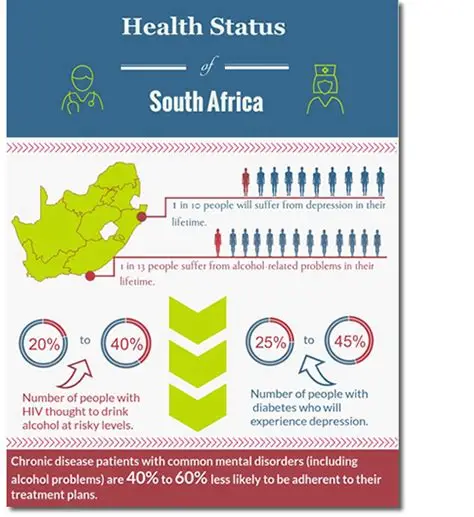
This shift reflects a broader epidemiological transition from communicable to non-communicable diseases (NCDs). Health Minister Dr. Aaron Motsoaledi described the situation as a “full-blown national crisis,” noting that more than half of South African adults live with at least one chronic condition.
The “Five by Five” framework outlined by Motsoaledi identifies five dominant NCDs—diabetes, cancer, cardiovascular diseases, mental health disorders, and chronic respiratory diseases—driven by five risk factors: smoking, alcohol abuse, poor diet, sedentary lifestyle, and environmental stressors.
Why Diabetes is Rising
Several factors explain the surge in diabetes cases:
- Ageing population: Improved HIV care has extended life expectancy, but older age increases NCD risk.
- Obesity and poor diet: South Africa’s food environment is saturated with processed, sugar-heavy products.
- Physical inactivity: Urban lifestyles have reduced daily exercise.
- Undiagnosed cases: Nearly half of South Africans with diabetes may not know they have it, worsening outcomes.
Mortality Data
- 27,692 deaths in 2023 attributed to diabetes.
- Roughly 100 South Africans die daily from the disease.
- Diabetes has topped the list of natural causes of death for two consecutive years.
Public Health Response
South Africa has a national strategy for NCDs, but experts argue that implementation is weak. Key recommendations include:
- Expanding screening and early detection programs.
- Strengthening primary healthcare systems.
- Promoting healthier food environments.
- Increasing public awareness campaigns.
Policy Interventions
One proposed measure is a stronger sugar tax. Countries like Mexico and Brazil have successfully reduced sugary beverage consumption through taxation. South Africa introduced a sugar tax in 2018, but experts argue it needs to be expanded and enforced more aggressively.
The Commercial Determinants of Health
Motsoaledi emphasized the “commercial determinants of health”, pointing to industries that profit from unhealthy products. The government is battling powerful sectors such as tobacco, alcohol, and processed food companies, which contribute to the NCD epidemic.
Human Impact
Behind the statistics are personal tragedies. Families across South Africa are losing loved ones prematurely to a disease that is largely preventable. The burden is especially heavy on low-income households, where access to healthy food and medical care is limited.
Regional and Global Context
South Africa’s diabetes crisis mirrors trends across Africa, where NCDs are rising rapidly. Globally, diabetes affects over 400 million people, with projections suggesting this number could double by 2045. The South African case highlights how developing nations face a double burden: infectious diseases remain present, but NCDs are now the dominant killers.
Conclusion
South Africa’s battle against diabetes is not just a medical challenge—it is a societal and economic crisis. Without urgent action, the country risks losing thousands more lives each year. Strengthening prevention, improving healthcare access, and tackling unhealthy food environments are critical steps to reversing this deadly trend.



