




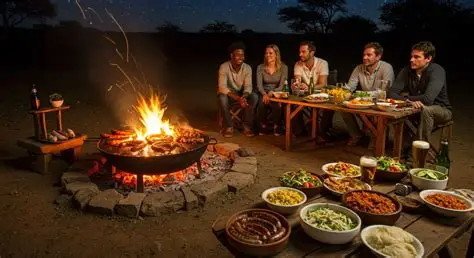
“South Africa remains one of Africa’s most captivating destinations in 2026, but updated advisories emphasize vigilance against crime, protests, and infrastructure challenges. At the same time, embracing local traditions like the braai and preparing for load-shedding can make the journey safer and more culturally rewarding.”
South Africa continues to attract millions of international visitors each year, drawn by its diverse landscapes, vibrant cities, and rich cultural heritage. Yet, as of July 2026, updated travel advisories and firsthand accounts from seasoned travelers emphasize the importance of preparation, awareness, and cultural sensitivity. This article integrates the latest safety guidance, cultural insights, and logistical tips to provide a comprehensive travel roadmap for visitors.
Safety First: Navigating Crime and Security
- High crime rates remain a concern in major cities like Johannesburg, Cape Town, and Durban.
- Common risks include robbery, carjacking, ATM fraud, and drink spiking.
- Tourists should avoid withdrawing large sums of cash and remain vigilant at intersections where “smash-and-grab” thefts occur.
- Transport disruptions due to protests or roadblocks are frequent. Visitors should monitor local media and stick to major roads.
- Wildlife areas such as Kruger National Park also require caution, with opportunistic criminals targeting tourist vehicles near entry gates.
Cultural Immersion: Embracing Local Traditions
- Braai culture: A braai, South Africa’s version of a barbecue, is more than just food—it’s a social ritual. Participating in a braai offers travelers a chance to connect with locals and experience authentic hospitality.
- Cuisine: Staples include bobotie, koeksisters, and ostrich meat. Vegetarians can find options, especially in the Western Cape.
- Language and etiquette: While English is widely spoken, learning basic Afrikaans or Zulu greetings enhances interactions. Respect for cultural diversity is key in a nation with 11 official languages.
Practical Travel Tips
- Load-shedding awareness: Power outages are routine, often scheduled to balance electricity demand. Travelers should carry power banks and confirm accommodation backup systems.
- Airports: South Africa’s three main international airports—OR Tambo (Johannesburg), King Shaka (Durban), and Cape Town International—serve as primary entry points. Choosing the right airport saves time and money.
- Transport: Car rentals are popular, but travelers should avoid driving at night in rural areas. Ride-hailing apps are safer alternatives in cities.
- Budgeting: A three-day safari in Kruger costs around 12,000 ZAR, while budget travelers can stretch funds by using hostels and public transport.
Infrastructure Challenges
South Africa’s infrastructure faces ongoing strain, particularly in electricity supply and road networks. Load-shedding schedules affect daily life, and travelers should plan around outages. Roadblocks due to protests can delay journeys, making flexibility essential.
Balancing Risks and Rewards
Despite challenges, South Africa offers unparalleled experiences:
- Cape Town’s Table Mountain and Robben Island provide historical and scenic highlights.
- Johannesburg’s Apartheid Museum offers deep cultural insight.
- Durban’s beaches combine leisure with vibrant local culture.
- Kruger National Park remains a premier safari destination, though visitors must remain alert to both wildlife and opportunistic crime.
Conclusion
South Africa in 2026 is a destination of contrasts: breathtaking beauty and cultural richness alongside real safety and infrastructure challenges. Travelers who prepare carefully—by staying vigilant, respecting local traditions, and planning around load-shedding—can enjoy a safer, more rewarding journey. The key lies in balancing caution with openness, ensuring that every visitor leaves with both unforgettable memories and a deeper appreciation of South Africa’s resilience and diversity.



