




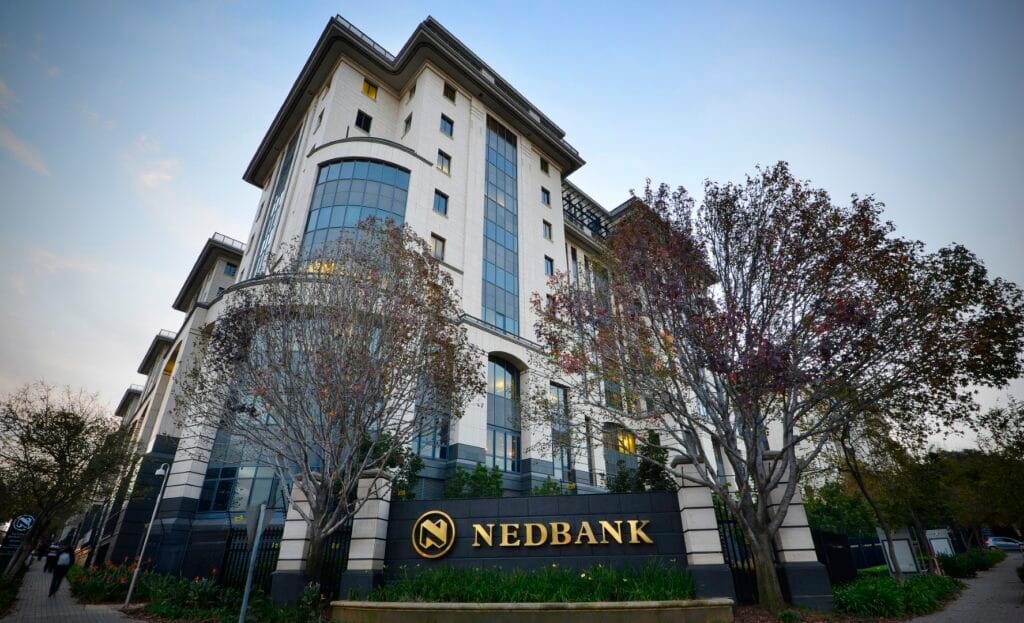
“Fitch Ratings has recalibrated South Africa’s national ratings scale, elevating Absa, FirstRand, Investec, Nedbank, and Standard Bank to ‘AAA (zaf)’. The upgrade reflects robust profitability, liquidity buffers, and resilience in the domestic banking sector, strengthening investor confidence despite fiscal and political challenges.”
South Africa’s banking sector has received a significant vote of confidence with Fitch Ratings upgrading the country’s five largest banks — Absa, FirstRand, Investec, Nedbank, and Standard Bank — to the highest national scale rating of ‘AAA (zaf)’. This development underscores the resilience of the sector amid sluggish economic growth, high unemployment, and fiscal strain.
Background of the Upgrade
- Date of Upgrade: 3 July 2026
- Previous Rating: ‘AA+ (zaf)’
- New Rating: ‘AAA (zaf)’
- Short-Term Ratings: Affirmed at ‘F1+ (zaf)’
The recalibration follows South Africa’s sovereign local-currency issuer default rating (IDR) upgrade from ‘BB-’ to ‘BB’, reflecting improved macroeconomic stability.
Why This Matters
- National Impact: Strengthens South Africa’s financial credibility.
- Banking Confidence: Demonstrates resilience against sovereign risks.
- Global Perception: Positions South Africa’s banking sector as robust compared to other emerging markets.
Key Drivers of the Upgrade
- Profitability: Banks continue to post strong earnings despite weak consumer demand.
- Liquidity Buffers: Adequate reserves ensure stability against shocks.
- Capital Adequacy: Strong regulatory compliance bolsters investor trust.
Implications for Stakeholders
- Investors: Greater confidence in South African banks as safe investment vehicles.
- Consumers: Potentially lower borrowing costs due to stronger credit ratings.
- Government: Reinforces credibility of fiscal reforms aimed at stabilizing the economy.
Risks and Challenges
Despite the upgrade, risks remain:
- Sovereign Exposure: Banks remain heavily tied to government debt.
- Domestic Concentration: Limited international diversification increases vulnerability to local shocks.
- Political Uncertainty: Policy shifts could affect long-term stability.
Expert Perspectives
Analysts emphasize that while the upgrade is positive, it does not eliminate structural challenges. Fitch itself noted that the recalibration reflects relative creditworthiness within South Africa, not absolute global strength.
Broader Context
South Africa’s economy continues to grapple with:
- Sluggish Growth: GDP growth remains below 2%.
- High Unemployment: Over 30% unemployment rate.
- Fiscal Strain: Rising debt-to-GDP ratio.
Yet, the banking sector has remained resilient, serving as a stabilizing force in the broader economy.
Conclusion
The Fitch upgrade of South Africa’s Big Five banks to ‘AAA (zaf)’ is a landmark achievement for the country’s financial system. It signals resilience, investor confidence, and the ability of banks to withstand economic shocks. However, structural challenges such as sovereign debt exposure and political uncertainty remain pressing issues.



