




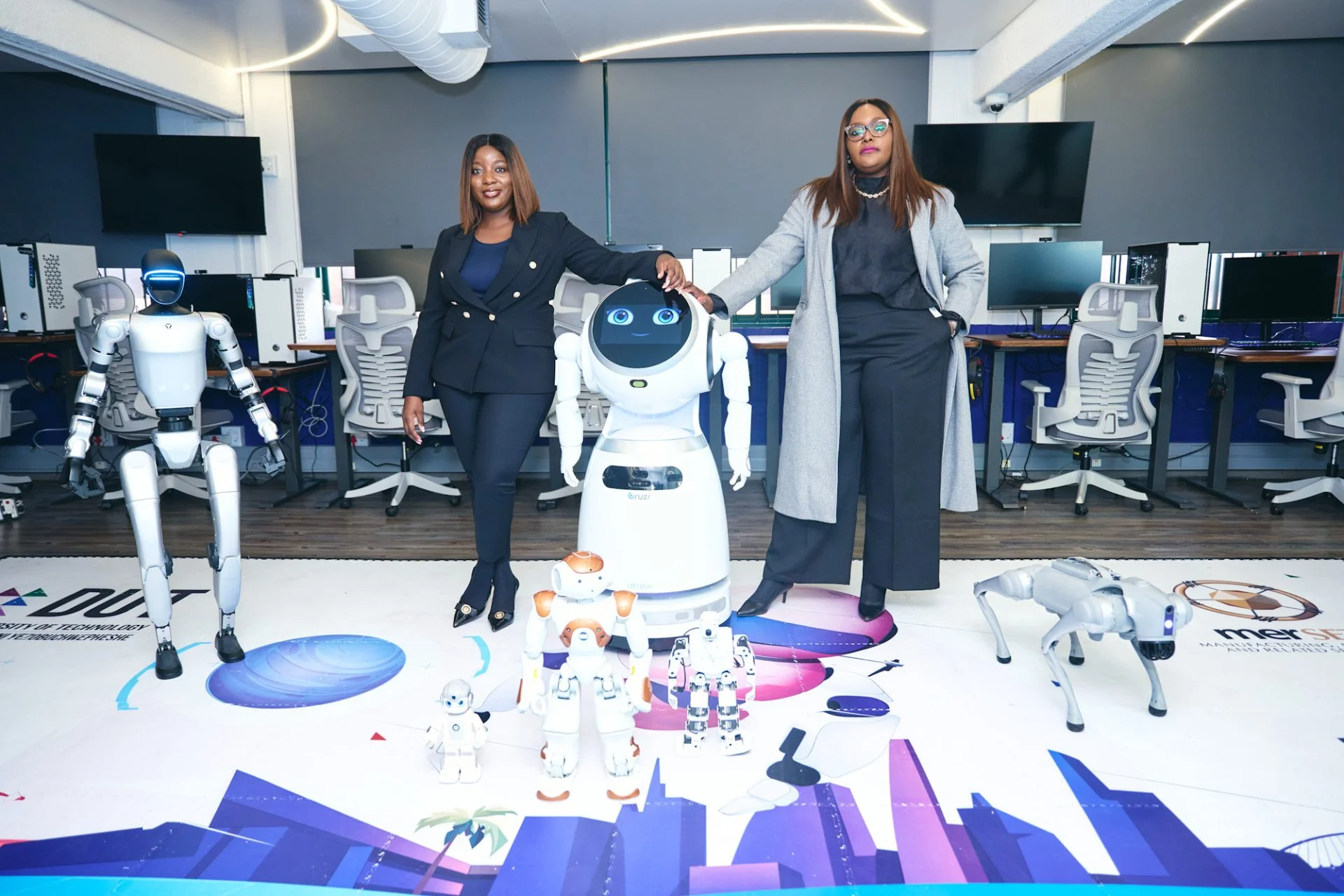
“GovTech 2026, hosted in Durban, is South Africa’s premier government technology conference, highlighting robotics, AI-driven citizen services, and cybersecurity as tools to revolutionize public service delivery. The event underscores South Africa’s ambition to become the architect of its own digital destiny by embedding robotics and automation into governance.”
South Africa has entered a defining chapter in its digital transformation journey with the launch of GovTech 2026, a landmark conference hosted in Durban from September 21–23. Organized by the State Information Technology Agency (SITA), the event celebrates 20 years of government-led technological innovation. This year’s theme, “South Africa as the architect of its own digital destiny”, underscores the nation’s determination to harness Artificial Intelligence (AI) and robotics to revolutionize public service delivery, strengthen cybersecurity, and ensure robust data governance.
Historical Context
GovTech began in 2006 as a modest forum for IT leaders. Over two decades, it has evolved into a premier platform for showcasing innovation, shaping policy, and aligning government priorities with technological advancements. Unlike many conferences that fade over time, GovTech has remained relevant by adapting to emerging technologies and aligning them with public service needs. Its longevity reflects South Africa’s commitment to digital governance and innovation.
Robotics and Automation in Government
One of the most anticipated aspects of GovTech 2026 is its focus on Robotic Process Automation (RPA). Demonstrations include systems designed to streamline government workflows, reduce inefficiencies, and minimize corruption risks. These systems automate repetitive administrative tasks such as:
- Document verification
- Permit processing
- Healthcare triage
By integrating robotics into public service delivery, South Africa aims to improve efficiency, reduce waiting times, and enhance citizen satisfaction.
Citizen-Facing AI
Complementing robotics is the emphasis on citizen-facing AI. Innovations include:
- Chatbots for public inquiries
- AI-driven healthcare triage systems
- Predictive analytics for social services
These tools are designed to make government services more accessible, responsive, and transparent. For example, AI-powered platforms can help citizens navigate healthcare systems, access social grants, and resolve administrative queries faster.
Cybersecurity and Data Governance
With the rise of digital identities and online service delivery, cybersecurity has become paramount. GovTech 2026 highlights:
- Advanced encryption protocols
- AI-driven threat detection
- Frameworks for safeguarding critical infrastructure
This ensures that as South Africa digitizes its governance, citizens’ data remains secure and trust in government systems is reinforced.
Economic and Social Impact
The integration of robotics and AI into governance is not just a technological upgrade—it is a socio-economic transformation. By reducing inefficiencies and corruption, the government can redirect resources toward development priorities. Faster service delivery enhances citizen trust, while automation creates opportunities for local tech companies to innovate and provide solutions tailored to South Africa’s unique challenges.
Challenges Ahead
Despite the optimism, challenges remain:
- Digital divide: Ensuring rural and underprivileged communities benefit equally.
- Skills gap: Training government employees to work alongside robotics and AI systems.
- Cybersecurity threats: Constantly evolving risks require adaptive defense mechanisms.
Addressing these challenges will determine whether South Africa’s digital destiny is inclusive and sustainable.
Conclusion
GovTech 2026 is more than a conference—it is a declaration of intent. South Africa is positioning itself as a leader in digital governance, using robotics and AI not only to modernize government but also to redefine the relationship between state and citizen. The journey ahead will require balancing innovation with inclusivity, but the foundations laid in Durban this week mark a bold step toward a future where technology serves democracy.



