




”Google, AWS, and Microsoft have unveiled sweeping investments in South Africa’s digital economy, including new cloud regions, AI labs, and cybersecurity initiatives. These commitments are expected to add trillions to GDP, create over 300,000 jobs, and transform sectors from healthcare to retail.”
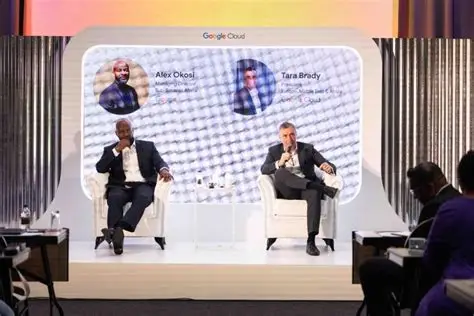
South Africa’s computing landscape has reached a historic turning point. In July 2026, global technology giants Google, Amazon Web Services (AWS), and Microsoft announced landmark investments that will reshape the country’s digital economy. These initiatives, unveiled at Google’s African Cloud Summit in Johannesburg, signal a new era of cloud adoption, artificial intelligence (AI) innovation, and cybersecurity resilience.
Google’s “Building for Africa” Initiative
Google’s African Cloud Summit drew more than 3,000 leaders, developers, and policymakers. The company announced:
- Johannesburg Cloud Region projected to add R1.7 trillion to GDP by 2030.
- 315,000 jobs linked to cloud adoption.
- A Digital Exchange Port in the Eastern Cape, anchoring subsea cable corridors to Australia and India.
- Africa’s first applied AI lab in Accra, Ghana, connecting African founders with Google researchers.
- A partnership with The Akuna Group, founded by Idris Elba, to support AI creative education.
AWS and Microsoft Commitments
AWS is expanding its cloud infrastructure footprint, while Microsoft is deepening partnerships with enterprises and government agencies. Together, these firms are positioning South Africa as a continental hub for cloud services and AI innovation.
Economic Impact
- SME Growth: Cloud adoption among small businesses could unlock R185 billion by 2030.
- Global Competitiveness: South Africa is positioning itself as a secure, inclusive digital economy.
- Public Services: AI will improve healthcare, education, and climate resilience.
Cybersecurity Stakes
While investments promise growth, they also raise cybersecurity challenges. AI is accelerating both defensive and offensive capabilities in cyberspace. According to Accenture, only 44% of South African tech leaders believe their cybersecurity can keep pace with AI advances. Cloud security visibility remains low, with just 18% of organisations having full oversight.
Risks and Challenges
- High Data Costs: Accessibility remains limited for many citizens.
- Skills Shortages: AI and cloud expertise are scarce.
- Regulatory Gaps: Frameworks must evolve to balance innovation with privacy.
- Cyber Threats: Expanding infrastructure increases exposure to attacks.
Broader Context
South Africa already hosts a significant share of Africa’s data center capacity. With a growing middle class and appetite for innovation, the country is a strategic priority for global tech firms. Investments from AWS, Microsoft, and Mastercard further reinforce this trajectory.
Conclusion
South Africa’s computing future is being rewritten by global technology leaders. The combined investments promise transformative economic growth, job creation, and innovation. Yet, without addressing cybersecurity, skills gaps, and regulatory frameworks, the digital divide could widen. The next decade will determine whether South Africa becomes a true continental leader in computing—or struggles under the weight of its own digital ambitions.



