




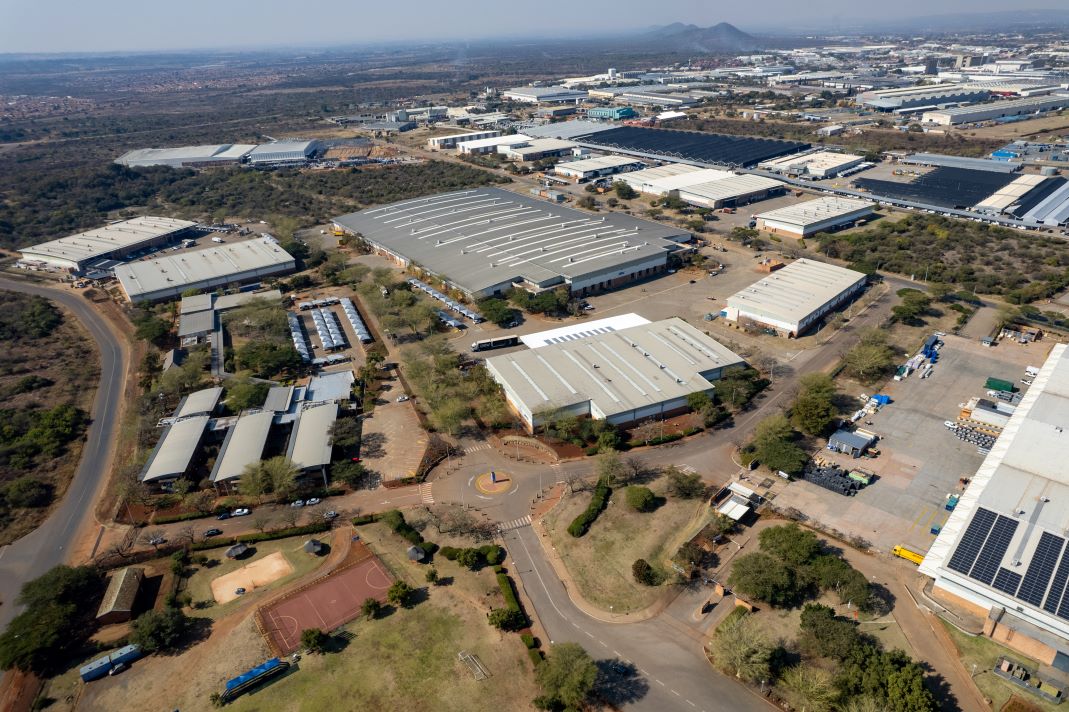
“South Africa’s industrial property sector has become the backbone of the nation’s real estate recovery, driven by logistics, warehousing, and e-commerce expansion. With record-low vacancies and surging rental growth, investors are flocking to Durban, Cape Town, and Johannesburg, fueling infrastructure upgrades and job creation.”
South Africa’s industrial real estate sector has emerged as the engine of the nation’s property recovery in 2026, reshaping the broader economic landscape. With logistics, warehousing, and e-commerce expansion driving unprecedented demand, industrial property is now the most resilient and profitable segment of the real estate market.
Market Dynamics
The industrial property market is experiencing record-low vacancy rates of 3.8%, underscoring the strength of demand. Rental growth has surged by 8.4% year-on-year, particularly for mid-sized industrial spaces around 500m². This growth is fueled by the rapid expansion of last-mile distribution networks, the rise of e-commerce platforms, and the strategic importance of logistics hubs in Durban, Cape Town, and Johannesburg.
Regional Highlights
- Durban: As Africa’s busiest port, Durban has become a magnet for industrial investment. A logistics facility recently sold for R285.5 million, reflecting investor appetite.
- Cape Town: Warehousing and distribution centers are expanding rapidly, supported by infrastructure upgrades. Fortress Real Estate Investments raised R1.35 billion to fund logistics projects in the city.
- Johannesburg: Rezoning projects are unlocking new industrial corridors, with mixed-use hubs combining residential, commercial, and industrial spaces.
- KwaZulu-Natal: The expansion of Cornubia Industrial Park highlights growing demand for logistics and warehousing.
Investment Trends
International investors from Europe and Asia are entering the market, attracted by favorable exchange rates and South Africa’s lifestyle appeal. Developers are racing to secure vacant plots, particularly in peri-urban areas where industrial expansion is tied to affordable housing growth.
Infrastructure Development
Massive investments in road, port, and rail upgrades are enhancing freight efficiency and global competitiveness. These infrastructure projects are critical in positioning South Africa as a logistics hub for the continent.
Risks & Challenges
Despite strong momentum, the sector faces challenges:
- Inflationary Pressures: Rising costs could slow growth despite stable interest rates (repo at 7.0%, prime at 10.5%).
- Regional Disparities: Cape Town and Durban are booming, while Gauteng shows modest expansion.
- Supply Constraints: Demand for affordable housing and industrial land is outstripping supply, intensifying competition.
Conclusion
South Africa’s industrial real estate sector is not only stabilizing the broader property market but also reshaping the country’s economic future. With logistics corridors expanding, international investors entering, and infrastructure upgrades underway, industrial property is firmly positioned as the cornerstone of South Africa’s real estate recovery in 2026.



