




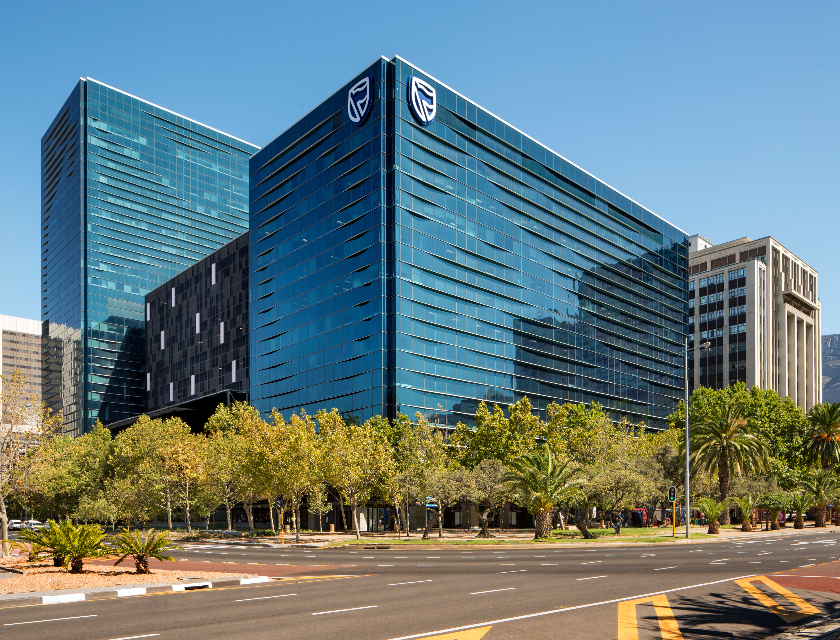
“South Africa’s commercial property market has entered a new phase of resilience in August 2026, driven by industrial real estate with record-low vacancies and surging rentals. Offices are adapting to hybrid workforces, retail nodes are stabilizing, and investor confidence is returning, reshaping opportunities across the property spectrum.”
The South African commercial real estate market is undergoing a remarkable transformation in August 2026. After years of pandemic-driven uncertainty, the sector is showing resilience, with industrial properties spearheading growth, offices stabilizing, and retail nodes regaining traction. This revival is reshaping investor sentiment and creating opportunities across the property spectrum.
Industrial Real Estate: The Star Performer
Industrial real estate has emerged as the backbone of South Africa’s property recovery. Vacancy rates dropped to 3.8% nationally, the lowest in history, while rental growth surged by 8.4% year-on-year for 500m² spaces. Demand is driven by logistics, warehousing, and last-mile distribution, reflecting global supply chain resilience and e-commerce expansion. Developers like Fortress Real Estate Investments raised R1.35 billion to expand logistics projects in Cape Town’s industrial corridors. This boom is fueling job creation and infrastructure development, including road, port, and rail upgrades.
Office Market Recovery
The office sector, long battered by remote work trends, is showing signs of stabilization. National office vacancies dropped to 12.1% in Q2 2026, the lowest since early 2020. Cape Town leads the recovery, attracting professional services and hybrid teams seeking A-grade office space. Johannesburg, however, faces oversupply challenges, but conversions of older stock into mixed-use developments are easing vacancy rates. This adaptive reuse strategy is reshaping urban landscapes, creating vibrant live-work-play environments.
Retail Nodes Stabilizing
Retail nodes are regaining traction as consumer confidence slowly improves. Shopping centers are seeing increased foot traffic, driven by pent-up demand and the stabilization of household incomes. While challenges remain, particularly in lower-income areas, the overall trend is positive. Developers are investing in lifestyle centers that combine retail, dining, and entertainment, catering to evolving consumer preferences.
Investor Confidence Returns
Investor sentiment is shifting decisively. The resilience of industrial real estate, coupled with the stabilization of offices and retail, is attracting both domestic and international capital. Pension funds, private equity firms, and sovereign wealth funds are increasing allocations to South African property, viewing it as a hedge against inflation and a source of stable returns.
Infrastructure Development
The property rebound is closely tied to infrastructure upgrades. Government and private sector collaboration is driving improvements in transport corridors, energy supply, and digital connectivity. These investments are enhancing the competitiveness of South African cities, making them attractive destinations for global businesses and investors.
Broader Economic Impact
The recovery in real estate is contributing to broader economic growth. Job creation in construction, logistics, and professional services is boosting household incomes. The multiplier effect of property development is stimulating demand across sectors, from manufacturing to retail.
Challenges Ahead
Despite the positive momentum, challenges remain. Rising construction costs, regulatory hurdles, and energy supply constraints could slow the pace of development. Moreover, regional disparities persist, with Cape Town and Durban outperforming Johannesburg and smaller cities.
Conclusion
South Africa’s real estate development sector is entering a new era of resilience and opportunity. Industrial properties are leading the charge, offices are adapting to new work models, and retail nodes are stabilizing. Investor confidence is returning, infrastructure is improving, and the broader economy is benefiting. While challenges remain, the trajectory is clear: South Africa’s property market is rebounding strongly, reshaping the nation’s economic landscape.



