




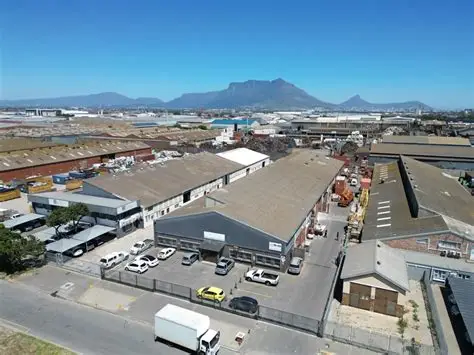
”South Africa’s industrial property market is outperforming offices and retail in 2026, with vacancy rates below 4% and rental growth exceeding inflation. Logistics hubs in Cape Town and Durban are leading the charge, attracting investors and reshaping the country’s commercial real estate landscape.”
South Africa’s industrial real estate sector has emerged as the star performer in 2026, defying economic headwinds and outperforming both office and retail property markets. With vacancy rates at historic lows and rental growth consistently above inflation, industrial property has become the cornerstone of investor confidence and a beacon of resilience in the country’s commercial real estate landscape.
Market Performance
- Vacancy Rates: National industrial vacancy rates have dropped to 3.8%, with prime A‑grade logistics stock in key hubs like Cape Town and Durban effectively below 1%.
- Rental Growth: Rentals for mid‑sized units (500–1,000 m²) rose by 6.5–6.6% year-on-year, outpacing building-cost inflation.
- Comparison with 2025: While growth slowed slightly from the 8% surge in 2025, the sector remains robust enough to sustain investor confidence.
Regional Highlights
- Cape Town: Emerging as a standout region, Cape Town’s industrial rentals are catching up with Durban for the first time in decades.
- Durban: Long considered South Africa’s logistics powerhouse, Durban continues to attract multinational tenants and developers.
- Johannesburg: Stabilizing demand in Gauteng’s logistics corridors is reinforcing the sector’s national strength.
Drivers of Growth
- Logistics Demand: The rise of e‑commerce and supply chain optimization has fueled demand for strategically located warehouses.
- Investor Confidence: Institutional investors are returning to the market, drawn by stable yields and long-term growth prospects.
- Economic Resilience: Despite sluggish GDP growth, industrial property has proven resilient, offering consistent returns.
Challenges Ahead
- Economic Headwinds: Inflationary pressures and currency volatility remain risks.
- Infrastructure Constraints: Power shortages and transport bottlenecks could hinder further expansion.
- Competition: As more developers enter the market, oversupply risks may emerge in certain regions.
Outlook for 2027
Analysts predict continued strength in industrial property, with logistics hubs expanding and investor appetite remaining high. Vacancy rates are expected to remain below 5%, while rental growth should continue to outpace inflation, cementing industrial real estate as South Africa’s most resilient commercial property class.
✅ Conclusion
South Africa’s industrial real estate sector in 2026 is not just surviving—it is thriving. With record-low vacancies, strong rental growth, and renewed investor confidence, industrial property has become the backbone of the country’s commercial real estate recovery.



