




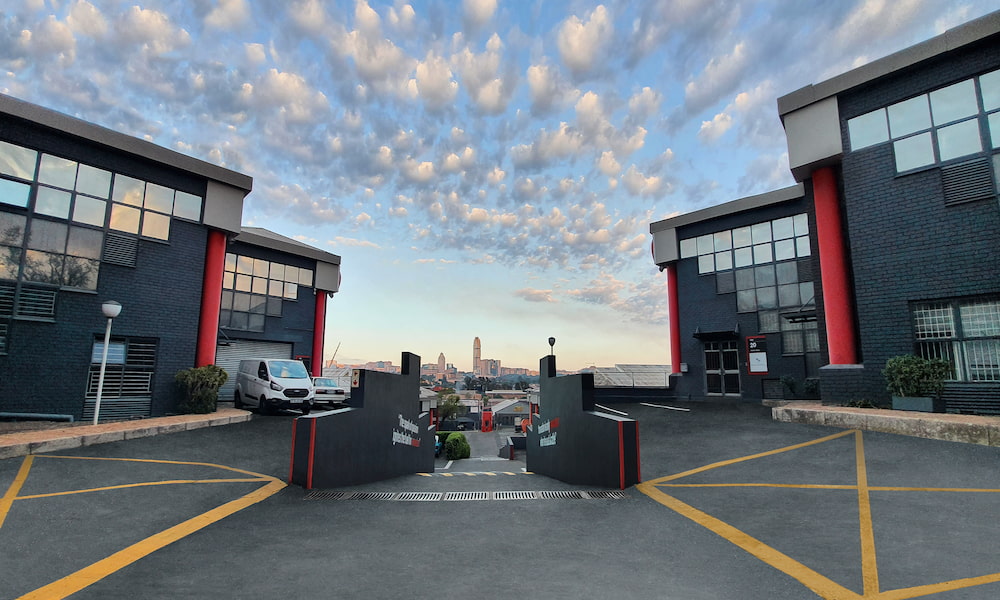
“South Africa’s industrial property sector has become the star performer of the 2026 real estate market, achieving record-low vacancies and strong rental growth. Fueled by logistics expansion, port infrastructure upgrades, and renewable energy integration, industrial assets are attracting unprecedented investor confidence.”
South Africa’s commercial real estate market has entered 2026 with renewed vigor, marking a turning point after years of pandemic-driven uncertainty and sluggish growth. At the heart of this resurgence lies the industrial real estate sector, which has emerged as the star performer, reshaping the country’s economic landscape and attracting unprecedented investor confidence.
Market Performance
- Vacancy Rates: Industrial properties have achieved record-low vacancy rates of 3.8% nationwide, underscoring resilience and attractiveness.
- Rental Growth: Rental growth surged 8.4% year-on-year for mid-sized 500m² spaces, driven by logistics and last-mile distribution demand.
- Investor Confidence: Institutional investors are increasingly drawn to industrial assets due to stable cash flows and growth potential.
Drivers of Growth
- Logistics Expansion: The rise of e-commerce has created unprecedented demand for warehousing and distribution centers.
- Port Infrastructure: Durban’s port expansions are boosting industrial hubs, while Cape Town’s logistics corridors attract new investment.
- Government Spending: Infrastructure projects, including transport upgrades and renewable energy integration, are supporting industrial growth.
- REIT Confidence: Real Estate Investment Trusts are channeling capital into industrial developments, signaling long-term confidence.
Regional Hotspots
- Johannesburg: Northern suburbs like Midrand and Sandton are seeing strong demand for logistics parks.
- Cape Town: Warehousing linked to renewable energy projects is attracting investors.
- Durban: Industrial hubs near the port are benefiting from trade activity and expansion projects.
Investor Sentiment
Developers are capitalizing on momentum with new projects focusing on:
- Sustainable design
- Energy efficiency
- Smart logistics integration
This aligns with global trends toward green buildings and digital supply chains, making South Africa’s industrial sector competitive internationally.
Challenges and Risks
Despite optimism, challenges remain:
- Load Shedding: Energy supply instability continues to pose risks, though renewable integration is improving.
- Inflationary Pressures: Rising construction costs could impact margins.
- Global Uncertainty: External shocks, such as shifts in global trade, may affect demand.
Outlook
The industrial property sector is expected to remain the cornerstone of South Africa’s real estate recovery throughout 2026. With logistics, renewable energy, and infrastructure investment driving growth, industrial real estate is positioned as the most resilient and attractive asset class in the country.
Key Takeaways
- Record-low vacancies (3.8%) show strong demand.
- Rental growth (8.4%) highlights profitability.
- Durban, Cape Town, Johannesburg are the leading industrial hubs.
- Risks: Energy instability and rising costs.
- Outlook: Industrial property will continue to anchor South Africa’s real estate recovery in 2026.



