




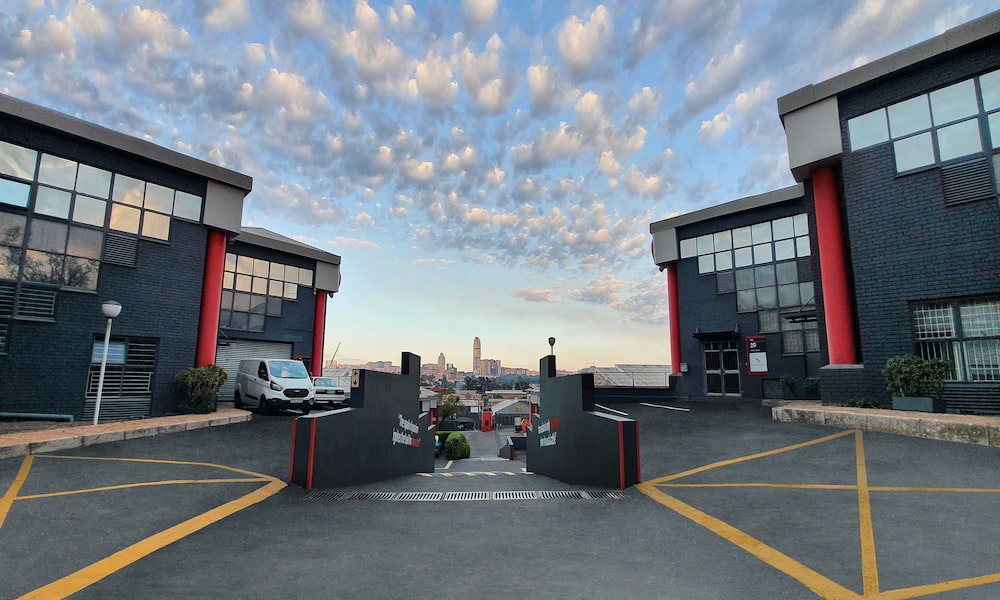
“South Africa’s industrial property sector has become the backbone of the 2026 real estate recovery, achieving record-low vacancies and strong rental growth. Fueled by logistics expansion, port infrastructure upgrades, and renewable energy integration, industrial assets are attracting unprecedented investor confidence.”
South Africa’s real estate market in 2026 is undergoing a remarkable transformation, with the industrial property sector emerging as the star performer. After years of pandemic-driven uncertainty and sluggish growth, industrial assets have become the cornerstone of recovery, reshaping the country’s economic landscape and attracting both domestic and international investors. This resurgence is not only a reflection of global trends but also a testament to South Africa’s strategic infrastructure investments and policy alignment with sustainability.
Market Performance
- Vacancy Rates: Industrial properties have achieved record-low vacancy rates of 3.8% nationwide, underscoring resilience and attractiveness.
- Rental Growth: Rental growth surged 8.4% year-on-year for mid-sized 500m² spaces, driven by logistics and last-mile distribution demand.
- Investor Confidence: Institutional investors are increasingly drawn to industrial assets due to stable cash flows and growth potential.
Drivers of Growth
1. Logistics Expansion
The rise of e-commerce has created unprecedented demand for warehousing and distribution centers. Companies are investing in advanced logistics hubs to meet consumer expectations for faster delivery. This trend is particularly evident in Cape Town’s logistics corridors, which are attracting new investment from developers and REITs.
2. Port Infrastructure Upgrades
Durban’s port expansions are boosting industrial hubs, while Cape Town’s logistics corridors attract new investment. Improved connectivity is positioning South Africa as a regional trade leader, enhancing its competitiveness in global supply chains.
3. Government Spending
Infrastructure projects, including transport upgrades and renewable energy integration, are supporting industrial growth. The government’s focus on sustainability aligns with global trends toward green buildings and digital supply chains.
4. REIT Confidence
Real Estate Investment Trusts (REITs) are channeling capital into industrial developments, signaling long-term confidence. This influx of capital is enabling developers to expand logistics projects and modernize industrial hubs.
Regional Highlights
- Durban: Port expansions are catalyzing industrial growth, with logistics hubs emerging as key drivers of regional development.
- Cape Town: Logistics corridors are experiencing unprecedented activity, with developers raising billions to expand warehousing capacity.
- Johannesburg: Industrial hubs near major highways are benefiting from increased demand for last-mile distribution.
Sustainability and Innovation
South Africa’s industrial real estate sector is increasingly embracing renewable energy integration and green building standards. Developers are incorporating solar power, energy-efficient designs, and smart logistics systems to align with global sustainability goals. This shift not only reduces operational costs but also enhances investor appeal.
Economic Impact
The industrial boom is contributing to:
- Job creation in logistics, construction, and renewable energy sectors.
- Infrastructure development that strengthens South Africa’s competitiveness.
- Long-term investor confidence, positioning industrial assets as the backbone of economic recovery.
Conclusion
South Africa’s industrial real estate sector in 2026 is more than just a property market success story—it is a strategic pillar of national economic recovery. With record-low vacancies, strong rental growth, and unprecedented investor confidence, industrial assets are reshaping the country’s future. As logistics, infrastructure, and sustainability converge, South Africa is poised to become a regional leader in industrial real estate, setting the stage for long-term prosperity.



