




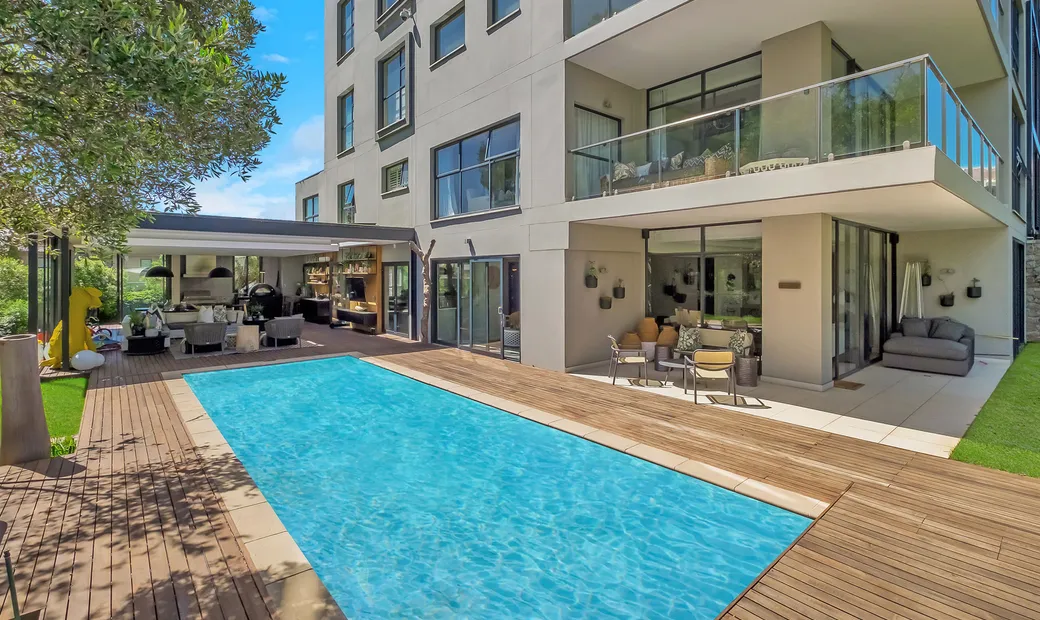
“South Africa’s property market in September 2026 recorded 7.6% annual growth, surpassing inflation, with Cape Town leading at 11% due to luxury demand and investor confidence. Meanwhile, affordability-driven buyers and government subsidies are fueling strong activity in entry-level land and housing markets nationwide.”
The South African land and real estate market in September 2026 reflects a dual narrative: luxury-driven growth in premium metros like Cape Town, and affordability-driven resilience in entry-level segments across the country. Elevated interest rates remain a challenge, but subsidies, exemptions, and aggressive bank lending have created opportunities for first-time buyers, who now dominate the market.
National Trends
- Growth Rate: 7.6% YoY, compared to 4.0% inflation.
- First-Time Buyers: 51–54% of home loan applications.
- Interest Rates: Prime lending rate at 10.50%, repo rate at 7.00%.
- Property Types: Freehold properties grew 8.8%, sectional title units 6.0%.
- Affordability Ceiling: National house price growth slowed below inflation in some segments, but properties under R1.5 million remain resilient.
Regional Performance
| Cape Town | 11% growth | Luxury demand, international investor confidence | | Johannesburg | 5.4% growth | Middle-income buyers, suburban expansion | | Durban | 3.7% growth | High stock availability, affordability | | Mangaung | 2.8% growth | Buyer leverage, affordability-driven demand.
Key Drivers
- Government Subsidies: FLISP and transfer duty exemptions up to R1.2 million.
- Bank Lending: Aggressive appetite for first-time buyers, including 100%+ loans.
- Infrastructure Reliability: Properties in well-run metros with off-grid features (solar, boreholes) sell faster and at premiums.
- Investor Confidence: Cape Town’s luxury market attracts international buyers, while affordability anchors demand in Durban and Mangaung.
Risks & Challenges
- Elevated Interest Rates: Affordability remains strained, with household debt-to-income ratios above 61%.
- Regional Disparities: Strong growth in Cape Town contrasts with slower metros, highlighting uneven development.
- Luxury vs. Entry-Level Divide: Premium markets thrive, but affordability-driven buyers face limited stock.
Opportunities for Buyers
- Cape Town: Premium investment opportunities, though affordability is limited.
- Durban & Mangaung: Slower growth but strong negotiating power and stock availability.
- Entry-Level Buyers Nationwide: Subsidies and exemptions make land ownership more accessible, especially below R1.5 million.
Conclusion
South Africa’s land and real estate market in September 2026 is defined by resilient entry-level demand and luxury-driven growth in Cape Town. While elevated interest rates cap affordability, government support and aggressive bank lending ensure that land ownership remains within reach for first-time buyers. The market’s dual narrative underscores both opportunity and challenge, shaping the future of property investment across the nation.



