




“On Mandela Day 2026, anti‑immigration activists disrupted traditional community service events by targeting undocumented migrants, igniting fierce debate over immigration policy and national values. The Nelson Mandela Foundation condemned the actions as divisive and contrary to Mandela’s legacy, highlighting South Africa’s struggle to balance economic pressures with constitutional principles.”
Mandela Day, celebrated annually on July 18, is meant to honor Nelson Mandela’s 67 years of public service through acts of community engagement. This year, however, the commemoration took a sharp political turn as anti‑immigration activists leveraged the occasion to spotlight grievances over undocumented migrants. Their actions have triggered a heated national debate about immigration policy, economic inequality, and the meaning of Mandela’s legacy in modern South Africa.
Background: Mandela Day’s Purpose
Established by the United Nations in 2009, Mandela Day encourages citizens to dedicate 67 minutes of service to their communities. Traditionally, this has involved volunteering, charity drives, and initiatives aimed at uplifting disadvantaged groups. The day symbolizes Mandela’s lifelong commitment to justice, equality, and reconciliation.
The Activists’ Actions
This year, a coalition known as March and March organized inspections of businesses in the Eastern Cape, Mandela’s home province. Their stated aim was to identify undocumented workers and businesses allegedly operating illegally. Instead of service, they pledged to “physically remove” migrants from workplaces and towns, arguing that government failures in border control and immigration enforcement have left South Africans vulnerable to job competition and strained resources.
The Nelson Mandela Foundation’s Response
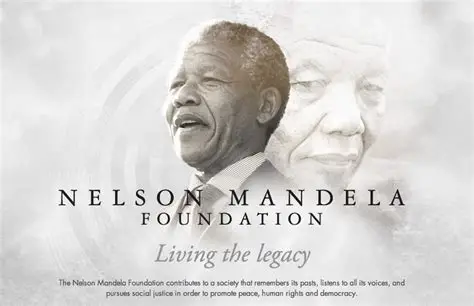
The Nelson Mandela Foundation condemned the actions, calling them “divisive and unhelpful.” CEO Mbongiseni Buthelezi emphasized that Mandela Day should embody dialogue, dignity, and constitutionalism, not exclusion. He warned that turning the day into a platform for anti‑immigrant sentiment undermines Mandela’s vision of a united, inclusive South Africa.
Broader Policy Context
South Africa faces high unemployment, persistent inequality, and frustration with public services. Activists argue that undocumented migrants exacerbate these problems, but critics contend that migrants are scapegoated for deeper systemic failures. The controversy reflects broader policy challenges:
- Immigration enforcement: Calls for tighter border controls and stricter laws.
- Economic policy: Pressure to prioritize job creation for citizens.
- Social cohesion: Rising tensions between communities and migrants.
Political Reactions
Government officials have attempted to balance humanitarian obligations with domestic pressures. Statements from ministries highlight the need for constitutional protections while acknowledging public frustration. Opposition parties have seized on the issue, with some supporting stricter immigration measures and others warning against xenophobia.
Public Opinion
Public sentiment is sharply divided. Some South Africans support March and March’s actions, believing migrants worsen unemployment. Others view the protests as dangerous populism that risks inflaming xenophobic violence. Social media has amplified both sides, with hashtags like #MandelaDayHijacked trending nationally.
Implications for Policy
The Mandela Day controversy could accelerate policy debates in several areas:
- Border security funding: Increased calls for investment in border patrols.
- Immigration law reform: Potential tightening of work permit and residency rules.
- Community integration programs: Renewed emphasis on fostering coexistence.
International Perspective
South Africa’s handling of immigration is closely watched across the continent. Neighboring countries worry about the precedent of targeting migrants during national commemorations. International human rights groups have urged South Africa to uphold Mandela’s legacy of inclusivity.
Conclusion
Mandela Day 2026 has become a flashpoint for South Africa’s immigration policy debate. What was intended as a day of unity and service has instead exposed deep divisions over economic hardship, migration, and constitutional values. The controversy underscores the urgent need for balanced policy solutions that address economic frustrations while safeguarding human dignity—the very principles Mandela fought for.



