




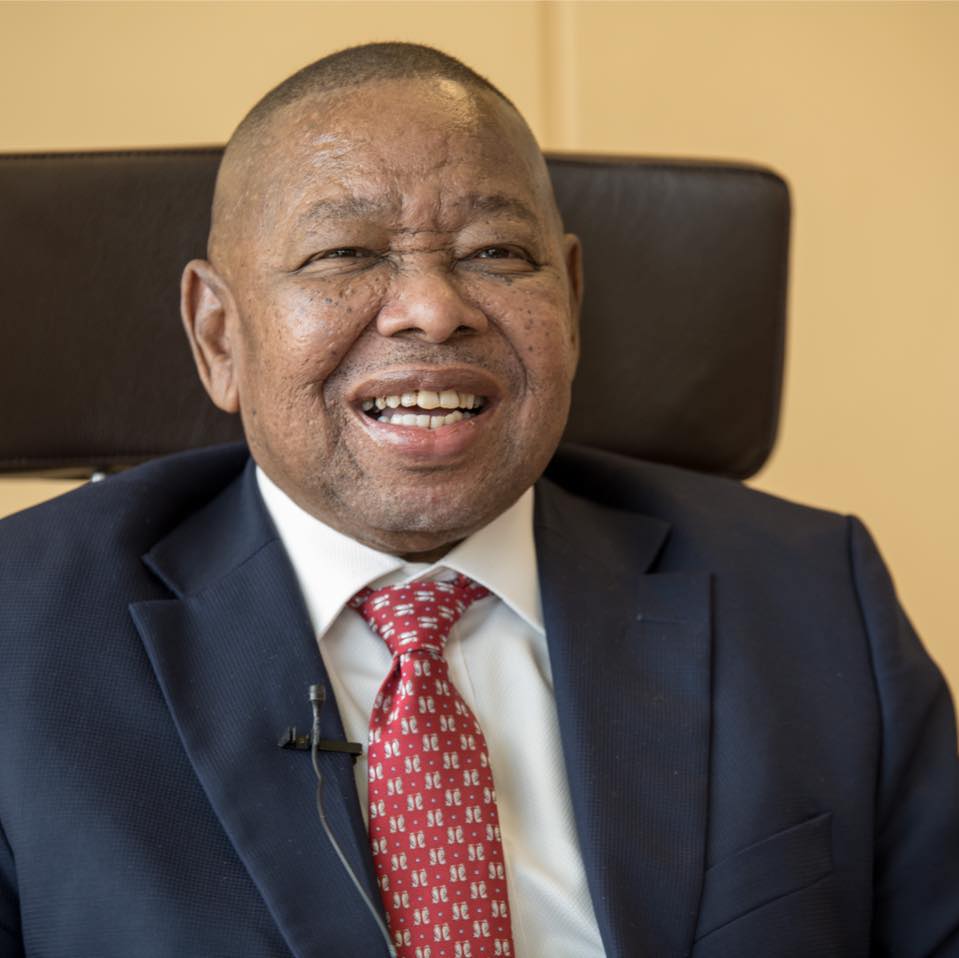
“On July 3, 2026, Minister of Science, Technology and Innovation, Prof. Blade Nzimande, convened a landmark meeting with provincial steering committees to accelerate the recognition of Indigenous Knowledge Systems through RPL. The initiative seeks to institutionalize traditional practices within South Africa’s innovation ecosystem, ensuring their role in socio-economic transformation and scientific advancement.”
South Africa’s innovation landscape took a decisive step forward today as Minister Blade Nzimande convened a historic meeting with provincial steering committees to advance the Recognition of Prior Learning (RPL) in Indigenous Knowledge Systems (IKS). This meeting, held on July 3, 2026, represents a pivotal moment in the country’s ongoing effort to integrate Indigenous knowledge into its National System of Innovation (NSI). By formally recognizing the contributions of traditional practitioners, the Department of Science and Innovation (DSI) is positioning South Africa as a global leader in inclusive innovation policy.
Background and Policy Context
The roots of this initiative trace back to Nzimande’s 2024/25 Budget Vote speech, where he identified Indigenous Knowledge as a strategic priority for the DSI. In March 2025, the inaugural Summit on the Transformation of South Africa’s NSI underscored the need to institutionalize Indigenous Knowledge, elevating its value within the public science system. The summit’s outcomes emphasized that innovation must not be confined to laboratories and universities but should also embrace centuries-old practices rooted in communities.
Objectives of the Meeting
The July 3 meeting brought together key stakeholders, including Amakhosi, Khoi-San leaders, district representatives from Limpopo, members of royal houses, Indigenous healers, academics, and policymakers. The agenda focused on:
- Reviewing progress in developing assessment tools for RPL.
- Addressing challenges faced by Indigenous practitioners in gaining formal recognition.
- Consolidating a social compact between government and Indigenous communities.
- Exploring opportunities for Indigenous knowledge to contribute to health, agriculture, and environmental sustainability.
Significance of Recognition of Prior Learning
RPL is a mechanism that validates skills and knowledge acquired outside formal education. For Indigenous practitioners, this means their expertise in areas such as traditional medicine, ecological management, and cultural heritage can be formally acknowledged. This recognition not only enhances their legitimacy but also opens pathways for collaboration with mainstream science and innovation sectors.
Socio-Economic Impact
The institutionalization of IKS has profound socio-economic implications:
- Healthcare: Traditional healers play a critical role in community health. Formal recognition allows integration with public health systems, improving accessibility and trust.
- Agriculture: Indigenous farming techniques, often sustainable and climate-resilient, can inform modern agricultural practices.
- Environment: Indigenous ecological knowledge contributes to biodiversity conservation and climate adaptation strategies.
- Employment: Recognition creates new opportunities for Indigenous practitioners to participate in research, training, and entrepreneurship.
Challenges and Opportunities
Despite progress, challenges remain. Practitioners often face skepticism from formal institutions, limited resources for documentation, and the risk of exploitation without proper intellectual property protections. However, the meeting highlighted opportunities to:
- Develop inclusive curricula that incorporate Indigenous knowledge.
- Strengthen partnerships between universities and Indigenous communities.
- Establish funding mechanisms to support Indigenous innovation projects.
Global Relevance
South Africa’s approach resonates globally, as many countries grapple with integrating Indigenous knowledge into formal systems. By championing RPL, South Africa positions itself as a model for inclusive innovation policy, demonstrating that scientific progress can coexist with cultural heritage.
Conclusion
Minister Nzimande’s meeting marks a turning point in South Africa’s innovation journey. By recognizing Indigenous Knowledge Systems through RPL, the country is not only honoring its cultural heritage but also unlocking new avenues for socio-economic transformation. This initiative underscores that innovation is most powerful when it is inclusive, diverse, and rooted in the lived experiences of communities.



