




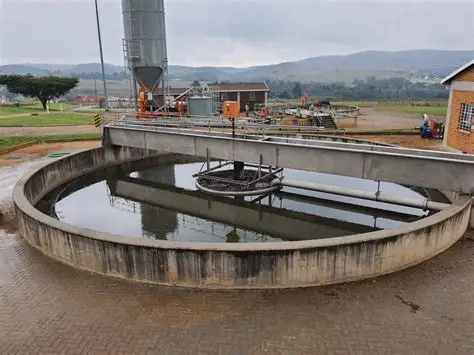
“The South African government has launched the National Water Action Plan, a comprehensive policy framework designed to overhaul municipal water management, combat corruption, and secure long-term water supply. The initiative introduces the Water Services Amendment Bill and establishes the National Water Crisis Committee (WATERCOM) to enforce accountability and drive implementation.”
On 27 July 2026, President Cyril Ramaphosa announced the release of the National Water Action Plan, a landmark policy designed to tackle South Africa’s escalating water crisis. With millions of households facing daily disruptions, the plan represents a decisive shift in governance, infrastructure investment, and accountability in the water sector.
Background: A Nation in Crisis
South Africa is a water-scarce country, but the current crisis is not merely about rainfall. Nearly half of all treated water is lost through leaks, theft, or poor billing systems, leaving municipalities unable to fund repairs or hire qualified engineers. Families across towns and rural areas face uncertainty each time they turn on a tap, while businesses suffer closures due to unreliable supply.
Key Features of the National Water Action Plan
- Structural Reform: The Water Services Amendment Bill separates municipal authority from operational delivery, ensuring clearer accountability.
- Oversight Mechanism: The National Water Crisis Committee (WATERCOM) will monitor progress, enforce compliance, and hold departments accountable.
- Infrastructure Investment: Expansion of dams, pipelines, and treatment plants, alongside maintenance of existing systems.
- Private Sector Engagement: Incentives for investment in water infrastructure, with regulatory reforms to encourage partnerships.
- Anti-Corruption Drive: Measures to combat fraud and criminality in water procurement and service delivery.
Policy Significance
This plan mirrors the government’s earlier electricity reforms that ended load shedding. By applying similar bold interventions, the Presidency aims to restore confidence in public service delivery. The emphasis on separating roles between municipalities and operators is expected to reduce “diffuse accountability,” a major factor behind past failures.
Economic and Social Impact
- Households: Reliable water supply will improve living standards, reduce health risks, and stabilize daily routines.
- Businesses: Manufacturing, agriculture, and retail sectors will benefit from reduced disruptions.
- Employment: Infrastructure projects are expected to create jobs, particularly in engineering and construction.
- Equity: The plan prioritizes underserved communities, aligning with constitutional rights to water access.
Challenges Ahead
Despite its ambition, the plan faces hurdles:
- Funding Constraints: Municipal revenue mismanagement remains a risk.
- Capacity Gaps: Shortage of skilled engineers and technicians could slow implementation.
- Political Resistance: Some municipalities may resist losing operational control.
- Public Trust: Citizens will demand visible improvements to believe in the reforms.
Expert Reactions
Policy analysts have praised the plan’s clarity and accountability mechanisms, noting its potential to transform service delivery. Civil society groups, however, warn that without strict enforcement, corruption could undermine progress. Business leaders in agriculture and industry have welcomed the focus on infrastructure investment, seeing opportunities for growth.
Conclusion
The National Water Action Plan represents a watershed moment in South African policy under politics. By combining structural reforms, oversight, and investment, the government aims to end decades of mismanagement and ensure that every citizen enjoys reliable access to clean water. Its success will depend on rigorous implementation, political will, and sustained public engagement.



