




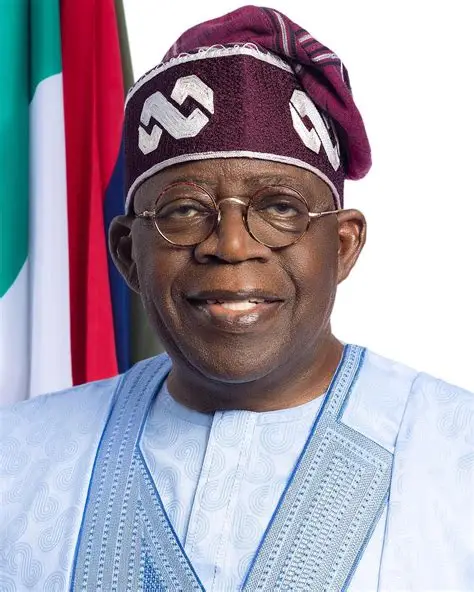
“South Africa’s International Relations Minister Ronald Lamola is meeting Nigerian President Bola Tinubu in Abuja to address migration challenges and anti-immigrant protests in South Africa. The talks highlight Pretoria’s effort to reassure African partners and prevent continental tensions over migration policy.”
Background to the Tensions
Recent months have seen anti-immigrant protests in South Africa, with demonstrators targeting undocumented foreign nationals. These protests have sparked concern among African governments, particularly Nigeria and Ghana, whose citizens are among the largest migrant communities in South Africa. Both countries have urged the African Union (AU) to address the matter at a continental level.
South Africa’s government has faced criticism for its handling of migration, with accusations of inadequate protection for foreign nationals. Pretoria insists that migration must be managed through lawful processes and has condemned vigilantism and violence. Lamola has emphasized that the AU’s involvement should focus on root causes—such as unemployment, weak economic growth, governance challenges, conflict, insecurity, and climate change—rather than blaming South Africa alone.
Diplomatic Engagements
Lamola’s Abuja visit follows his recent meeting with Ghanaian President John Mahama, where he outlined South Africa’s approach to migration. By engaging with Nigeria, Africa’s most populous nation and a key regional power, Pretoria aims to demonstrate its commitment to dialogue and cooperation. The talks are expected to cover:
- Migration management frameworks between South Africa and Nigeria.
- Protection of nationals affected by recent tensions.
- Continental cooperation through the AU to address migration’s root causes.
Nigeria’s Concerns
Nigeria has expressed alarm over the treatment of its citizens in South Africa. President Tinubu has called for stronger guarantees of safety and lawful treatment for Nigerians living in South Africa. Abuja views migration as a shared African challenge, not a bilateral dispute, and has urged South Africa to align its policies with broader AU frameworks.
South Africa’s Position
Pretoria maintains that migration pressures cannot be solved by unilateral measures. Lamola has argued that economic stagnation, insecurity, and climate change drive migration across Africa. South Africa’s government insists that while it must enforce immigration laws, it also seeks to prevent violence and xenophobia. The Abuja talks are therefore framed as a step toward regional solidarity rather than confrontation.
Continental Implications
The meeting carries weight beyond bilateral relations. If South Africa and Nigeria can agree on a cooperative framework, it could set the tone for AU-level discussions. Migration is increasingly seen as a continental security and economic issue, with implications for trade, labor mobility, and regional integration.
Moreover, the talks highlight the AU’s 2026 theme of sustainable development, linking migration to broader goals of stability and prosperity. By situating migration within the AU agenda, Lamola hopes to shift the narrative from blame to collective responsibility.
Economic and Political Dimensions
Migration tensions also intersect with economic relations. Nigeria and South Africa are Africa’s two largest economies, and their cooperation is vital for continental trade and investment. Anti-immigrant sentiment in South Africa risks undermining business ties, particularly in sectors where Nigerian entrepreneurs are active.
Politically, both countries are influential within the AU. Their ability to collaborate on migration could strengthen continental governance structures and reinforce Africa’s collective bargaining power in global forums.
Risks and Challenges
Despite the diplomatic overtures, challenges remain:
- Public sentiment in South Africa remains volatile, with protests reflecting deep frustrations over unemployment and inequality.
- Trust deficits between governments and migrant communities may hinder implementation of cooperative policies.
- Regional disparities in economic growth and governance continue to fuel migration pressures.
If not carefully managed, these factors could reignite tensions despite diplomatic progress.
Conclusion
Lamola’s meeting with Tinubu represents a crucial moment in South Africa’s international relations. By engaging Nigeria directly, Pretoria signals its willingness to confront migration challenges through diplomacy rather than defensiveness. The outcome of these talks will shape not only bilateral relations but also the AU’s broader approach to migration.
Ultimately, the Abuja meeting is about more than migration—it is about Africa’s ability to forge collective solutions to shared challenges. For South Africa, success will mean balancing domestic pressures with continental responsibilities, ensuring that its international relations strengthen rather than strain Africa’s unity.



