




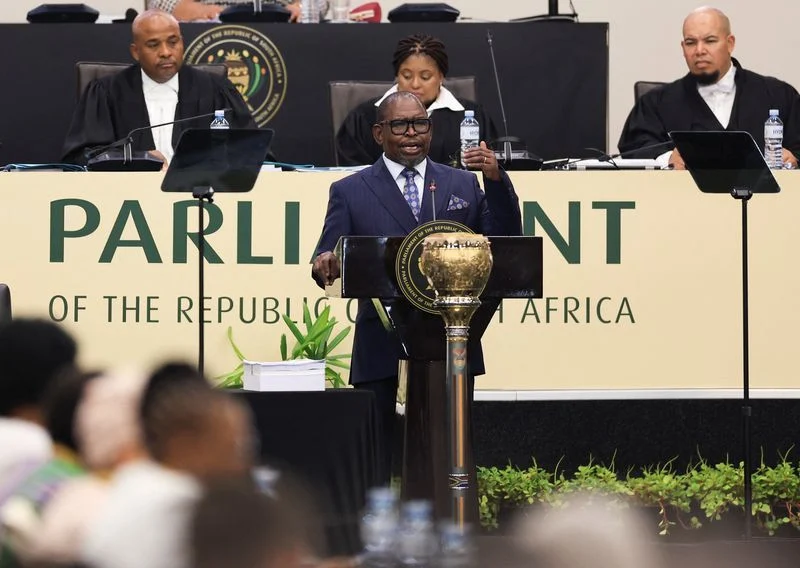
“South African households are facing fresh electricity price hikes, intensifying the financial burden on families already struggling with high living costs. Analysts warn that the increases could ripple through the economy, raising inflation and undermining consumer confidence.”
South Africa’s finance landscape has been jolted by the announcement of new electricity price hikes, a move that has sparked widespread concern among households, businesses, and policymakers. The increases, announced on 5 July 2026, come at a time when the country is grappling with sluggish economic growth, persistent unemployment, and rising inflation. This article explores the financial, social, and political dimensions of the tariff hikes, situating them within South Africa’s broader economic context.
Background: Eskom’s Financial Struggles
The state-owned utility Eskom has long been at the center of South Africa’s energy and finance debates. Years of mismanagement, corruption scandals, and underinvestment have left the company burdened with debt exceeding R400 billion. To stabilize its finances, Eskom has repeatedly sought tariff increases, arguing that higher prices are necessary to maintain operations and reduce reliance on government bailouts.
Impact on Households
For ordinary South Africans, the hikes translate into higher monthly expenses at a time when wages have stagnated. Families in lower-income brackets are particularly vulnerable, often forced to choose between electricity and other essentials such as food, healthcare, and education. Consumer advocacy groups warn that the hikes will exacerbate energy poverty, leaving many households unable to afford reliable power.
Inflationary Pressures
Economists caution that the tariff increases will feed into headline inflation, as electricity is a key input across industries. From manufacturing to retail, higher energy costs will raise production expenses, which are likely to be passed on to consumers. This could push inflation above the South African Reserve Bank’s target range, complicating monetary policy and potentially leading to higher interest rates.
Business Confidence and Investment
The private sector has expressed concern that rising energy costs will erode competitiveness. Small and medium enterprises (SMEs), already struggling with limited access to credit, face the risk of closure as operating costs climb. Larger corporations may delay investment decisions, citing uncertainty over South Africa’s energy future. This dynamic threatens to undermine the government’s efforts to attract foreign direct investment.
Political Ramifications
The tariff hikes have also sparked political debate. Opposition parties accuse the ruling government of failing to reform Eskom and protect consumers. Civil society organizations are mobilizing protests, framing the issue as one of economic justice. The government, meanwhile, insists that the hikes are unavoidable, pointing to Eskom’s precarious finances and the need to ensure long-term energy security.
Comparative Context
South Africa’s electricity tariffs are now among the highest in Africa, raising questions about competitiveness in regional markets. Neighboring countries such as Botswana and Namibia have managed to keep tariffs relatively stable, benefiting from diversified energy sources. South Africa’s reliance on coal, coupled with delayed investment in renewables, has left it vulnerable to cost escalations.
Long-Term Solutions
Experts argue that the crisis underscores the need for structural reforms in the energy sector. Key recommendations include:
- Accelerating renewable energy projects to reduce dependence on coal.
- Unbundling Eskom into separate generation, transmission, and distribution entities to improve efficiency.
- Encouraging private sector participation through independent power producers (IPPs).
- Strengthening governance and accountability to prevent corruption and mismanagement.
Social Consequences
Beyond economics, the hikes carry significant social consequences. Rising energy costs could deepen inequality, as wealthier households turn to alternatives such as solar power while poorer families remain dependent on Eskom. This divide risks entrenching social tensions, particularly in urban areas where electricity access is critical for livelihoods.
Conclusion
The new electricity price hikes represent more than just a financial adjustment; they are a flashpoint in South Africa’s ongoing struggle to balance fiscal stability, social equity, and economic growth. Unless accompanied by meaningful reforms, the increases risk undermining consumer confidence, fueling inflation, and eroding political legitimacy. For South Africa’s finance sector, the challenge is clear: without decisive action, the country’s energy crisis could become a broader economic crisis.



