




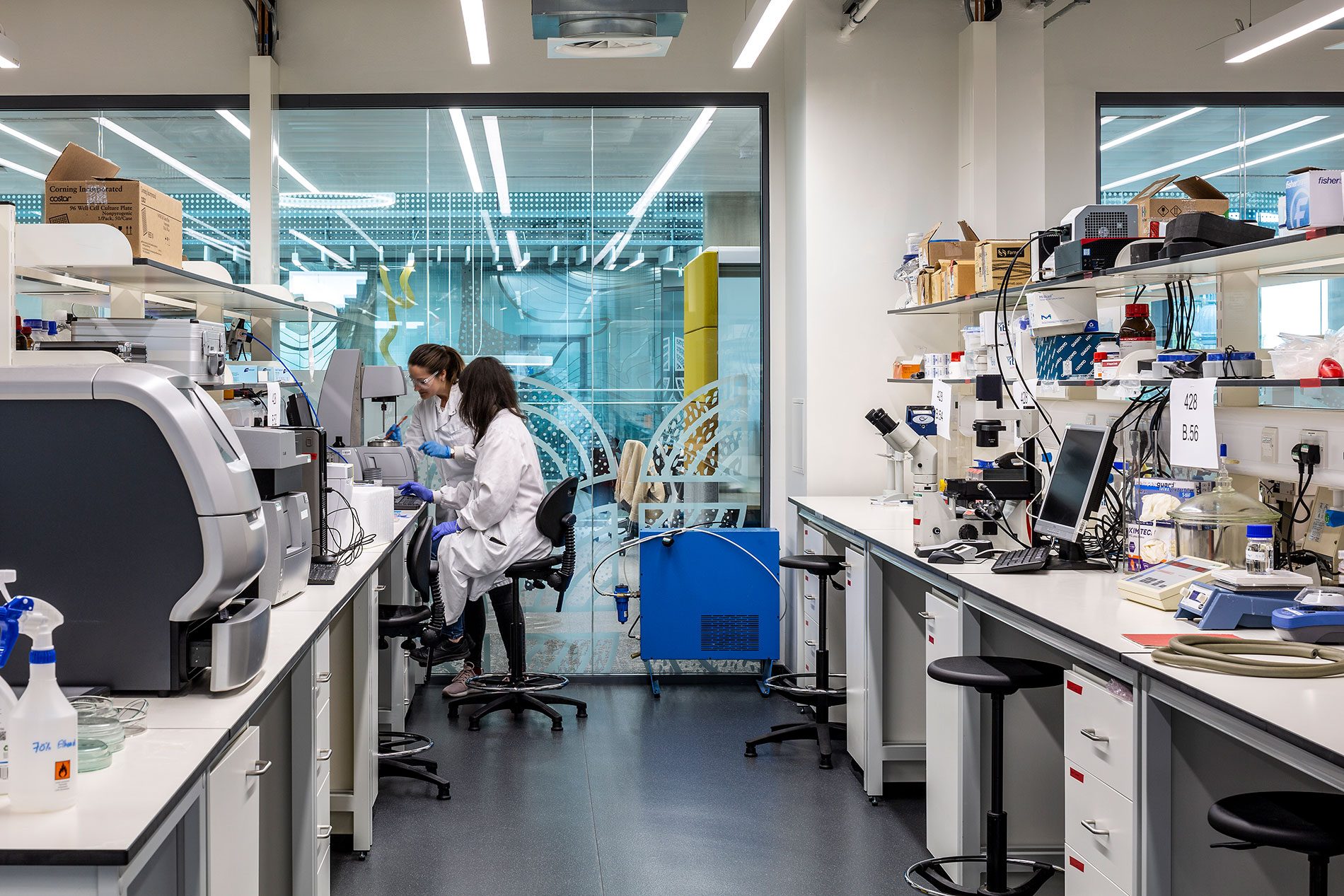
“South Africa’s Agriculture Minister Willie Aucamp has announced that private companies will now be allowed to manufacture the ARC’s locally developed Foot-and-Mouth Disease vaccine under conditional licensing agreements. This decision aims to overcome production bottlenecks, ensure wider vaccine availability, and provide longer-lasting immunity for livestock against domestic FMD strains.”
South Africa’s livestock industry has long battled the devastating effects of Foot-and-Mouth Disease (FMD), a highly contagious viral infection that threatens both domestic herds and the broader agricultural economy. On 21 September 2026, Agriculture Minister Willie Aucamp announced a landmark policy shift: private companies, both local and international, will now be allowed to manufacture the Agricultural Research Council’s (ARC) FMD vaccine under conditional licensing agreements. This decision represents a turning point in South Africa’s biotechnology and agricultural health sectors, promising to expand vaccine availability, strengthen national biosecurity, and safeguard food supply chains.
Background: The FMD Challenge
- FMD outbreaks have repeatedly disrupted South Africa’s livestock industry, leading to quarantines, trade restrictions, and significant financial losses.
- The ARC’s locally developed vaccine has proven highly effective against domestic strains, offering immunity for up to 12 months, compared to imported vaccines that last only 3–6 months.
- Despite its effectiveness, the ARC has faced manufacturing constraints, limiting production capacity and leaving farmers vulnerable.
The Breakthrough Decision
Minister Aucamp’s announcement allows qualifying private companies to access the ARC’s intellectual property (IP) under strict licensing agreements.
- Companies must comply with scientific, regulatory, and quality standards to ensure vaccine safety.
- Revenue generated from licensing will be ringfenced to expand ARC’s own manufacturing capacity.
Stakeholder Reactions
- TLU SA (Transvaal Agricultural Union of South Africa) welcomed the move, calling it a “significant step forward” in combating FMD.
- Farmers and veterinarians expressed relief, noting that longer-lasting immunity will reduce the financial burden of frequent vaccinations.
- Academics highlighted that the ARC vaccine is particularly well-suited to South African virus strains, making it more effective than imported alternatives.
Biotechnology and Economic Implications
This development is not just about livestock health—it signals a broader biotechnology advancement in South Africa:
- Public-private collaboration in vaccine production could stimulate innovation in other biotech sectors.
- Increased vaccine availability will protect food supply chains, ensuring stable meat and dairy production.
- By reducing reliance on imports, South Africa strengthens its biosecurity sovereignty.
Scientific Collaboration
The ARC will also submit FMD virus isolates to the Pirbright Institute in the UK for vaccine-matching assessments. This ensures that both local and imported vaccines remain effective against evolving strains.
Challenges Ahead
- Implementation will take time; scaling up production requires infrastructure investment and regulatory oversight.
- Ensuring equitable access for small-scale farmers remains a priority.
- Vigilance is needed to prevent misuse of ARC’s IP and maintain quality control.
Conclusion
South Africa’s decision to involve the private sector in FMD vaccine production marks a historic milestone in biotechnology and agricultural health policy. By expanding production capacity, ensuring longer-lasting immunity, and fostering collaboration between government, research institutions, and private companies, the country is taking decisive steps to protect its livestock industry and food security. While challenges remain, this initiative sets a precedent for how biotechnology can be leveraged to address national crises, strengthen biosecurity, and drive economic resilience.



