




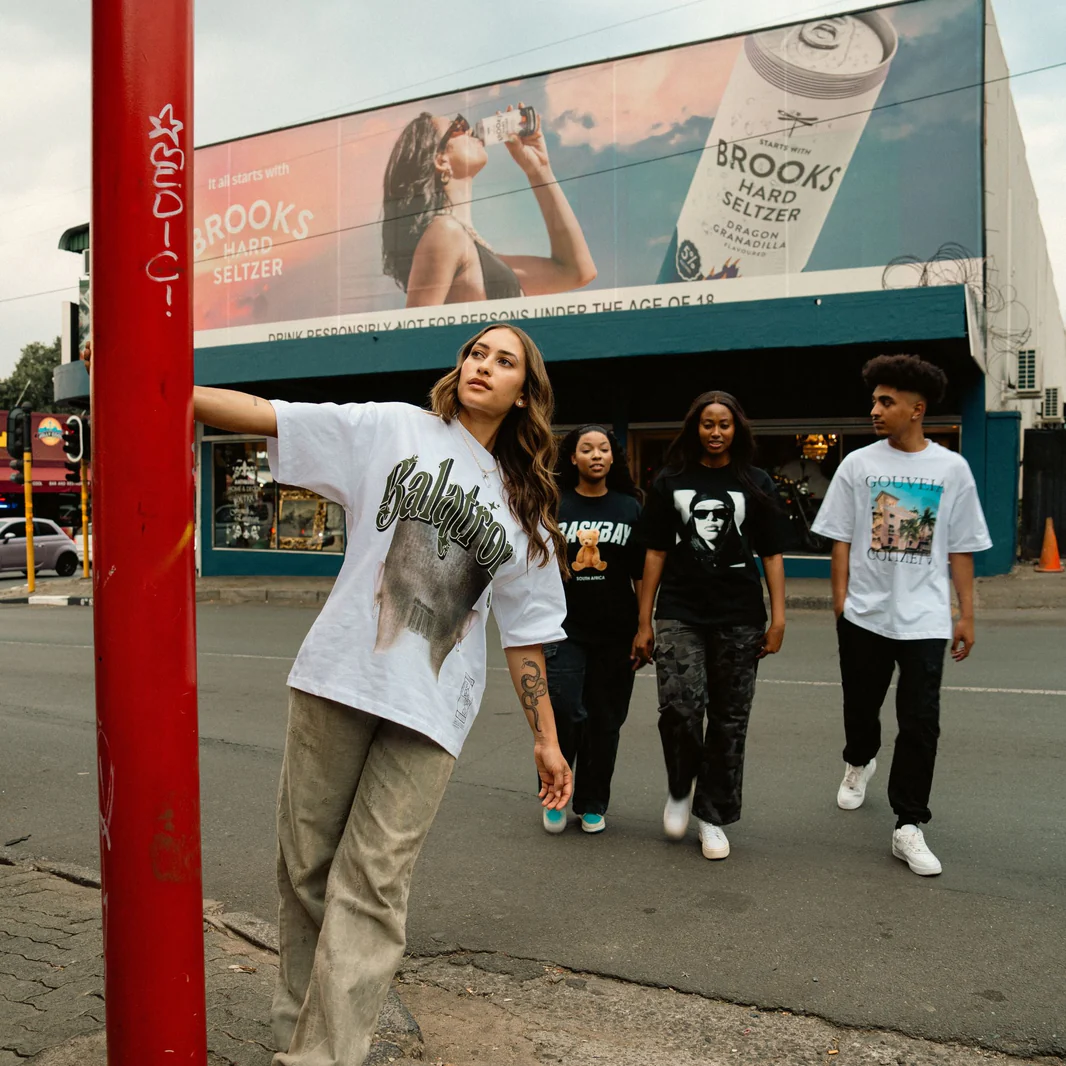
“South African streetwear in 2026 is being transformed by oversized silhouettes and the cultural influence of Amapiano music, creating a style that blends comfort, individuality, and luxury accents. This evolution marks a shift from copying global trends to establishing a distinctly local fashion identity.”
Streetwear in South Africa has reached a defining moment in 2026. What was once seen as a borrowed aesthetic from international fashion hubs has now matured into a cultural movement rooted in local identity, music, and lifestyle. Oversized silhouettes, sneaker culture, and Amapiano-inspired styling are not just trends—they are the language of youth fashion across Johannesburg, Cape Town, Durban, and Pretoria.
Oversized Streetwear Dominates
- Baggy cargos, roomy hoodies, bomber jackets, and loose denim are everywhere—from university campuses to TikTok outfit videos.
- Skinny fits are fading, replaced by gender-fluid, expressive, and comfortable silhouettes.
- Oversized fashion is not only practical but also symbolic of individuality, rejecting rigid norms in favor of freedom and self-expression.
Amapiano’s Cultural Influence
Amapiano, South Africa’s globally recognized music genre, has expanded beyond sound into fashion culture.
- Sneakers, layered jewelry, statement sunglasses, and luxe township fashion are staples of the Amapiano look.
- Nightlife aesthetics and social media amplify this style, merging luxury pieces with casual streetwear—designer bags paired with cargos, sneakers worn with tailored jackets.
- This fusion reflects a new personality-driven approach to fashion, where rules are replaced by creativity.
Quiet Luxury’s Parallel Rise
While oversized streetwear dominates, quiet luxury is quietly spreading, especially in Cape Town.
- Neutral tones, tailored silhouettes, and minimal branding define this movement.
- It emphasizes quality fabrics and timeless basics, appealing to those who prefer understated elegance.
- The coexistence of bold streetwear and quiet luxury shows the diversity of South African fashion identity.
Local Designers Lead the Charge
South African designers are no longer mimicking international brands. Instead, they are:
- Building brand languages rooted in local culture.
- Using premium fabrics and storytelling rather than heavy logos.
- Creating collections that resonate globally but remain unmistakably South African.
Streetwear as Community and Identity
Streetwear is more than clothing—it is community, attitude, and comfort.
- It connects people through shared aesthetics at malls, weekend lifestyle spots, and Amapiano events.
- It is unisex and inclusive, with men and women styling the same pieces differently but with equal confidence.
- The emphasis on storytelling and limited drops reflects a culture of scarcity and exclusivity, making each piece more than just fabric.
Risks and Challenges
- Over-accessorizing and chasing logos remain common mistakes.
- Thin fabrics and poor fits undermine the authenticity of streetwear.
- The challenge lies in balancing oversized proportions without losing structure.
Conclusion
South African streetwear in 2026 is a fusion of oversized comfort, Amapiano-inspired flair, and quiet luxury minimalism. It is no longer a trend but a cultural identity, reshaping how fashion is experienced and expressed. With local designers leading the charge, South Africa is carving out a streetwear language that is global in appeal yet deeply rooted in local culture.



