




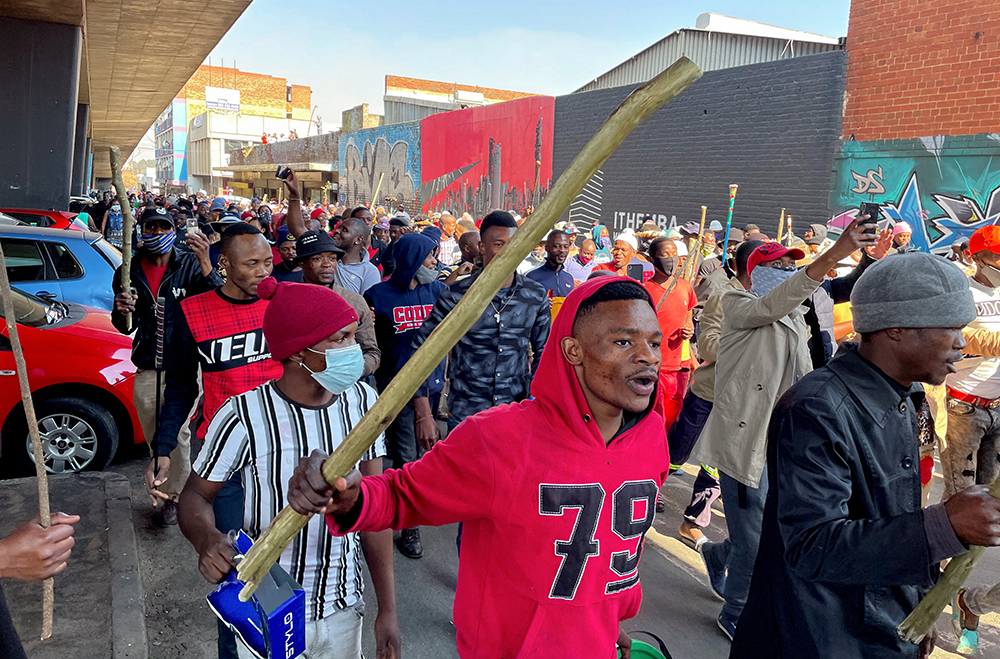
“South Africans across multiple provinces staged peaceful demonstrations this week to demand reforms in migration policy, balancing calls for stricter enforcement with appeals for human rights protections. The government praised the orderly conduct of these protests, while activists vowed to sustain pressure for legislative change.”
On July 4, 2026, South Africa witnessed a wave of peaceful protests against unregulated migration, marking a significant moment in the country’s political activism landscape. These demonstrations, coordinated by civil society organizations and grassroots movements, brought thousands of citizens into the streets to voice concerns about the social, economic, and humanitarian implications of migration policy. The government’s response—commending the peaceful nature of the protests—underscored both the legitimacy of activist demands and the delicate balance policymakers must strike between national security and human rights.
Background
Migration has long been a contentious issue in South Africa. The country’s economic opportunities attract migrants from across the continent, but this influx has also fueled tensions over employment, housing, and access to public services. Activist groups argue that unregulated migration exacerbates inequality, while others stress the need for compassion and inclusion. The protests this week were sparked by frustration over what activists describe as government inaction in addressing systemic challenges.
The Protests
- Locations: Demonstrations occurred in Johannesburg, Durban, Cape Town, and smaller towns across KwaZulu-Natal and Gauteng.
- Participants: A diverse coalition of activists, including trade unions, student organizations, and community leaders.
- Demands:
- Stricter enforcement of immigration laws.
- Transparent asylum processes.
- Protection of migrant workers from exploitation.
- Greater investment in communities affected by migration pressures.
Despite the scale of the protests, law enforcement reported no major incidents of violence, a testament to the organizers’ emphasis on discipline and non-violence.
Government Response
The Cabinet, through Minister Khumbudzo Ntshavheni, praised the peaceful conduct of the demonstrations and highlighted the role of the National Joint Operations and Intelligence Structures (NATJOINTS) in maintaining order. KwaZulu-Natal Premier Thamsanqa Ntuli echoed these sentiments, commending residents for ensuring that activism did not devolve into chaos.
Activist Perspectives
Activists, however, remain cautious. While they welcomed the government’s acknowledgment, they stressed that commendation is not enough. “We need concrete policy reforms, not just praise for our discipline,” said one organizer in Durban. Activist networks are already planning follow-up actions, including petitions to Parliament and community forums to sustain momentum.
Broader Implications
The protests highlight several critical dynamics in South African politics:
- Civil Society Strength: Activism remains a powerful force, capable of mobilizing large numbers and shaping public discourse.
- Policy Pressure: The government faces mounting pressure to balance enforcement with humanitarian obligations.
- Regional Impact: As migration is a continental issue, South Africa’s stance will influence broader African Union debates.
Risks and Challenges
- Potential Escalation: While peaceful now, prolonged frustration could lead to more confrontational activism.
- Economic Strain: Migration debates intersect with unemployment and housing shortages, making solutions complex.
- Political Polarization: Parties may exploit migration issues for electoral gain, deepening divisions.
Conclusion
The July 4 protests mark a turning point in South Africa’s activism under politics, demonstrating the ability of citizens to demand accountability while maintaining peace. The government’s praise is encouraging, but activists insist that the real test lies in whether policy reforms follow. As migration continues to shape South Africa’s socio-political landscape, the interplay between activism and governance will remain central to the country’s democratic evolution.



