




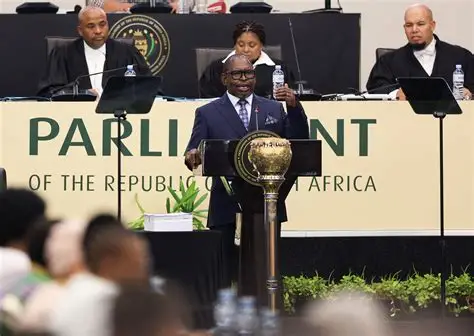
“The Public Investment Corporation (PIC), custodian of R3.6 trillion in pension and social insurance funds, has suspended CEO Patrick Dlamini and CIO August van Heerden after whistleblower allegations of impropriety. The move deepens tensions within the finance ministry, raising concerns about governance and stability in South Africa’s most influential investment body.”
The suspension of PIC CEO Patrick Dlamini and CIO August van Heerden marks one of the most significant governance crises in South Africa’s financial sector in recent years. The PIC, responsible for managing trillions in pension and social insurance funds, is not only the largest investor in the country but also a critical pillar of economic stability. This latest development raises urgent questions about transparency, accountability, and the future of South Africa’s financial governance.
Background on the PIC
The Public Investment Corporation is a state-owned asset manager overseeing approximately R3.6 trillion in funds. Its portfolio includes government bonds, equities, and infrastructure investments, making it a central player in shaping South Africa’s economic trajectory. The PIC’s influence extends beyond domestic markets, with significant holdings in multinational corporations and global assets.
The Allegations
According to reports, a whistleblower submitted allegations of impropriety against Dlamini, prompting the board to act decisively. While details remain confidential, the seriousness of the charges led to the immediate suspension of both the CEO and CIO. This decision underscores the board’s intent to prioritize governance and protect the integrity of the institution.
Political Dimensions
The crisis has exposed deep divisions within the finance ministry. Deputy Finance Minister David Masondo, who chairs the PIC board, has been at odds with Dlamini. Moreover, Masondo himself is reportedly in dispute with Finance Minister Enoch Godongwana. These tensions highlight the political fragility surrounding the PIC and raise concerns about whether governance decisions are being influenced by political rivalries.
Market Implications
The suspension comes at a time of heightened volatility in global markets. Oil prices have surged to $84 per barrel following U.S. sanctions and blockades on Iran, while the rand has weakened to R16.47 against the dollar. Investors are already jittery, and instability within the PIC could exacerbate concerns about South Africa’s investment climate.
Governance Challenges
The PIC has faced governance controversies before, including allegations of corruption and mismanagement in previous years. This latest episode reinforces the need for stronger oversight mechanisms. Analysts argue that the PIC’s size and influence make it particularly vulnerable to political interference, and reforms are urgently required to safeguard its independence.
Impact on Pension Funds
For millions of South Africans whose pensions are tied to PIC investments, the suspension raises fears about the security of their retirement savings. While the board has assured stakeholders that operations will continue, confidence in the institution has been shaken. Pensioners and unions are likely to demand greater transparency in the investigation process.
Broader Economic Context
South Africa’s economy is already under pressure from global headwinds, including rising commodity prices and geopolitical instability. The Reserve Bank is considering another interest rate hike later this month to maintain stability, which could further strain households. In this environment, governance failures at the PIC risk undermining investor confidence and slowing economic recovery.
Expert Opinions
Financial analysts emphasize that the suspension is a necessary step to protect the integrity of the PIC. However, they caution that prolonged uncertainty could damage South Africa’s reputation among international investors. Adrian Goslett of RE/MAX Southern Africa noted that stability in financial institutions is critical for maintaining long-term confidence in the economy.
Possible Outcomes
The investigation into Dlamini and van Heerden will determine whether they can return to their positions or face permanent dismissal. In the meantime, interim leadership will need to reassure stakeholders and maintain operational continuity. The outcome will likely shape the future of governance reforms within the PIC and influence broader debates about state-owned enterprises in South Africa.
Conclusion
The suspension of the PIC’s top executives is more than a personnel issue—it is a test of South Africa’s commitment to financial governance and transparency. With trillions in pension funds at stake, the country cannot afford instability in its most important investment institution. The coming weeks will reveal whether the PIC can restore confidence and chart a path toward stronger, more accountable leadership.



