




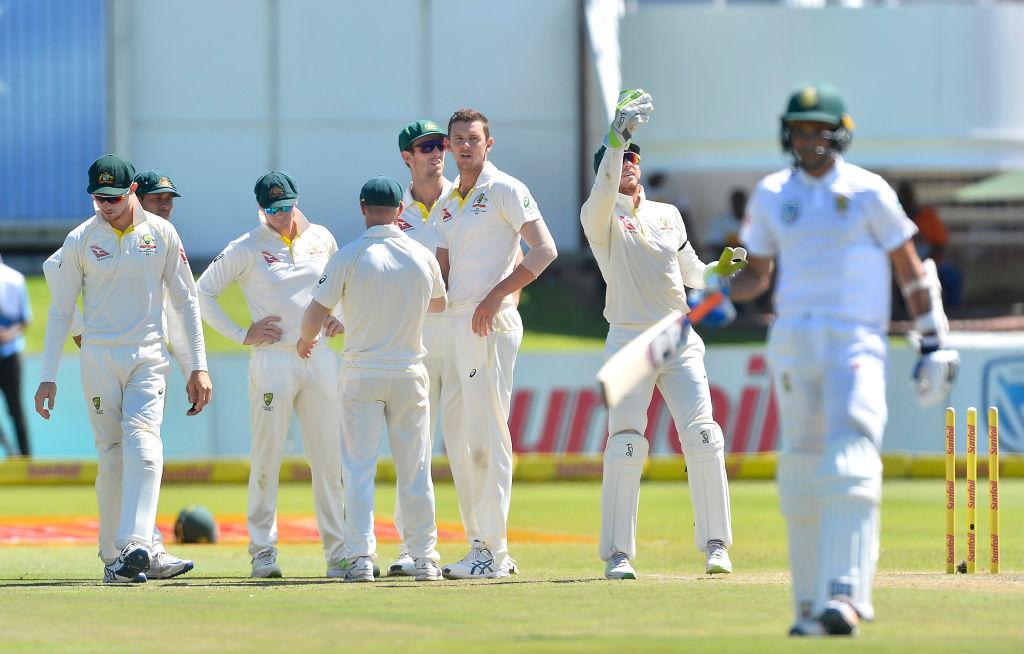
“South Africa are preparing to face Australia in the second Test after suffering a 214-run defeat in Durban, with captain Temba Bavuma weighing up the best balance of batters, bowlers and spinners for conditions in Gqeberha. Fast bowler Kagiso Rabada is available again following a hamstring injury, giving the Proteas a significant boost as they attempt to improve their batting performance and revive their challenge in the series.”
Proteas face defining test as Rabada return offers hope against Australia
South African cricket enters an important phase on Sunday, 18 October 2026, as the Proteas prepare to confront Australia in the second Test of their three-match series at St George’s Park in Gqeberha. Following a disappointing 214-run defeat in Durban, the home team must demonstrate greater discipline, stronger batting partnerships and improved decision-making if they are to challenge the visitors and restore confidence among supporters.
The match carries significance beyond the immediate series standings. South Africa are the reigning World Test Championship winners, having defeated Australia in the 2025 final at Lord’s. However, their opening performance in the current series exposed weaknesses that Australia exploited effectively. The second Test therefore provides an opportunity for the Proteas to demonstrate that their previous achievements remain a foundation for future success rather than merely a memory of past glory.
A difficult defeat that demands a response
South Africa’s opening Test in Durban revealed problems in the batting department, particularly when the team needed players to build substantial innings under pressure. Although the Proteas showed moments of resistance, they struggled to maintain consistency against Australia’s disciplined bowling attack.
The 214-run margin highlighted the difference between the teams during crucial periods. In Test cricket, a team can recover from losing early wickets if the remaining batters establish partnerships, manage the bowling attack and avoid unnecessary risks. South Africa were unable to achieve that consistently in Durban.
Head coach Shukri Conrad has consequently called for improvement without encouraging panic. His position is that the team should address its weaknesses while preserving the qualities that helped it become world champions. Rather than making changes simply to satisfy public criticism, the coaching staff must determine which adjustments will produce meaningful improvements on the field.
Kagiso Rabada provides a major boost
One of the most encouraging developments ahead of the Gqeberha Test is the availability of Kagiso Rabada. The fast bowler missed the opening match because of a hamstring injury, but he has been cleared for selection after progressing through his recovery.
Rabada’s return could strengthen South Africa’s attack considerably. He offers pace, movement, experience and the ability to challenge accomplished batters with sustained pressure. His record against Australia also makes him an important figure in the contest.
According to the International Cricket Council, Rabada has taken 58 wickets in 11 Test matches against Australia. That record demonstrates why his availability is significant as South Africa attempt to reverse the momentum of the series.
Beyond his individual statistics, Rabada contributes leadership and confidence. Fast bowlers often operate most effectively when they can rotate through spells, maintain attacking fields and build pressure together. His presence could help South Africa organise their bowling plans more effectively and support younger or less experienced members of the attack.
Nevertheless, Rabada’s return should not be treated as an automatic solution. Cricket remains a team contest, and even an outstanding bowler requires runs on the scoreboard and assistance from the other bowlers. South Africa must therefore combine his experience with improved batting and disciplined fielding.
Matthew Breetzke receives another opportunity
Selection is another major talking point ahead of the match. South Africa have included Matthew Breetzke in their 17-player squad, replacing Tristan Stubbs. The change follows a difficult first Test for Stubbs, who scored 32 and one in Durban.
Breetzke enters the selection discussion with encouraging recent one-day international performances against Australia. He scored 171 runs across three matches in that series, including a century in Durban, demonstrating his ability to make substantial contributions against the same opposition.
However, success in one-day cricket does not guarantee success in Test matches. The longer format demands patience, concentration and the ability to leave deliveries outside the off stump. Batters must also adapt to changing conditions, particularly when bowlers exploit movement or uneven bounce.
For Breetzke, an opportunity in Gqeberha would represent a chance to demonstrate that his recent form can translate into the demands of international Test cricket. A composed innings could help stabilise the middle order and provide South Africa with the foundation required to compete.
His inclusion also illustrates the difficult balance selectors must maintain between rewarding form and protecting players who have previously contributed to the team’s success. Selection decisions are most effective when they are based on clear performance requirements rather than short-term reactions.
Ryan Rickelton’s wicketkeeping responsibilities
Another important adjustment involves Ryan Rickelton, who is expected to take over the wicketkeeping duties from Kyle Verreynne. Verreynne remains in the squad, but the change creates additional decisions about the batting order and the team’s overall balance.
Rickelton’s role requires particular attention because wicketkeeping can be physically demanding during a long Test match. The responsibility involves concentration throughout extended bowling spells, responding quickly to edges and maintaining communication with the bowlers.
If Rickelton also occupies a prominent batting position, the coaching staff must decide how to manage his workload while maximising his contribution with the bat. The final arrangement will depend on the selected XI and the balance between specialist batters and all-rounders.
South Africa’s selectors have several options, but the most effective combination will be the one that allows players to perform defined roles. A settled batting order can help players prepare mentally for their responsibilities and reduce uncertainty during challenging periods.
Weather and pitch conditions complicate selection
Conditions in Gqeberha are another factor influencing South Africa’s preparations. Captain Temba Bavuma indicated that the team was still considering whether to select two specialist spinners or adopt a different combination involving an additional batter or all-rounder.
The decision reflects the complexity of Test cricket. Pitch behaviour, atmospheric conditions, moisture and the prospect of rain can influence how a team distributes its bowling resources. If conditions favour seam movement, fast bowlers may offer the greatest immediate threat. If the pitch deteriorates, spinners could become increasingly influential.
Rain is also a concern because lost playing time can change the strategic requirements of a match. A team hoping to force a result may need to accelerate its scoring, while captains must consider how many overs remain available for taking wickets.
South Africa cannot control the weather, but they can prepare several tactical options. Flexibility will be essential if conditions change after the teams arrive at the ground.
Batting discipline remains the central challenge
Despite the attention surrounding selection, South Africa’s batting remains the most important issue. Their players must find ways to remain at the crease longer, build partnerships and punish loose deliveries without exposing themselves to unnecessary risks.
Test cricket rewards concentration. Batters must understand when to attack, when to defend and when to allow a difficult spell to pass. Attempting to score quickly against a well-organised bowling attack can create opportunities for the opposition, especially when wickets have already fallen.
Aiden Markram offered an example of resistance during the first Test, standing out as the only South African batter to score more than 50 across the match. His approach demonstrated the value of concentration and commitment, qualities Conrad wants the rest of the batting group to reproduce.
The Proteas will need more than one strong individual performance. Partnerships between the opening batters, middle-order players and lower-order contributors can change the direction of a Test. Even a modest partnership can reduce pressure, force captains to reconsider their fields and provide a platform for a larger score.
South Africa must also improve their responses after losing wickets. Instead of allowing one dismissal to trigger a rapid collapse, the next batter needs to rebuild patiently and establish a new partnership.
Australia’s confidence creates another obstacle
Australia arrive in Gqeberha after securing a convincing victory in Durban. Their performance demonstrated their ability to exploit South Africa’s mistakes, maintain pressure and capitalise on opportunities.
For the visitors, the second Test presents a chance to strengthen their position in the series. Their challenge will be to sustain the discipline that proved effective in the opening match while adapting to the different conditions at St George’s Park.
South Africa should expect Australia to test their patience early. The home side will need to resist the temptation to force the game too quickly, particularly if the opening sessions favour the bowlers.
A strong start from either team could influence the remainder of the match. Early wickets might encourage Australia to attack, while a solid South African opening partnership could help restore confidence and reduce the visitors’ control.
World Test Championship implications
The series also matters within the wider context of the 2025–27 World Test Championship cycle. South Africa are competing to defend their reputation as one of the leading teams in the format, while Australia remain formidable opponents with considerable international experience.
South Africa’s championship success demonstrated their ability to perform under pressure. Nevertheless, maintaining a strong position requires consistent results across different conditions and against varied opposition.
The defeat in Durban makes a response particularly important. A competitive performance in Gqeberha would help the team regain momentum, strengthen belief in its methods and demonstrate that the opening result does not define the entire series.
The third Test in Cape Town, scheduled for 27–31 October, adds further importance to Sunday’s contest. The result in Gqeberha could influence the atmosphere surrounding the final match and determine how aggressively each side approaches the remaining challenge.
What South Africa must do to compete
Three priorities stand out for the Proteas. First, the batters must build partnerships and convert promising starts into substantial innings. Second, the bowling attack must maintain consistent pressure, using Rabada’s return to strengthen rather than replace the collective effort. Third, the fielding unit must take its chances and avoid giving Australia inexpensive opportunities.
The captain and coaching staff also need to communicate clear roles. Players perform more confidently when they understand the team’s plan and know what is expected of them in different match situations.
Supporters will naturally want an immediate victory, but the most meaningful response begins with better execution. South Africa need to demonstrate that they can absorb pressure, recover from setbacks and sustain their concentration across long sessions.
Conclusion: An opportunity to restore confidence
South Africa’s second Test against Australia represents a significant examination of their character, preparation and technical ability. Rabada’s return offers encouragement, while Breetzke’s inclusion and the wicketkeeping adjustment provide opportunities to strengthen the team.
However, the outcome will ultimately depend on performance rather than reputation. The Proteas must address their batting weaknesses, select a balanced attack and adapt intelligently to conditions in Gqeberha.
For the defending World Test Championship winners, the objective is clear: respond constructively to the Durban defeat and show that they remain capable of competing with the world’s strongest Test sides. A disciplined performance would restore confidence and give South Africa a stronger foundation for the remainder of the series.



