




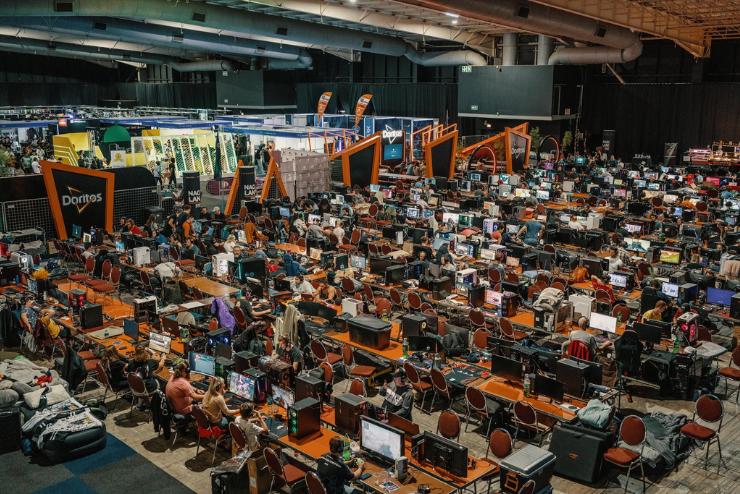
“Nedbank has been announced as the headline sponsor of rAge Nation 2026, strengthening the connection between South African gaming culture, commercial sponsorship and opportunities for the local gaming community. The event is scheduled for 27–29 November at Fourways Mall in Johannesburg, bringing gaming, technology, esports and digital culture together in a major public gathering.”
Nedbank’s rAge Nation partnership signals growing commercial interest in South African esports
South Africa’s gaming industry is preparing for another significant gathering as rAge Nation 2026 approaches, supported by a headline sponsorship from Nedbank. The announcement, reported by Esports Central on 27 October 2026, highlights the increasing attention that established businesses are giving to gaming as a form of entertainment, community participation and potential career development.
The event is scheduled to take place from 27 to 29 November 2026 at Fourways Mall in Johannesburg. According to the published announcement, rAge Nation aims to bring together gaming, technology, creators, entertainment and digital culture in a shared festival environment.
Although sponsorship announcements do not automatically translate into higher earnings for professional esports players, they can contribute to the infrastructure and visibility needed for competitive gaming to develop. For South Africa’s esports community, the partnership raises important questions about investment, participation, accessibility and the long-term development of local talent.
A major sponsor enters the spotlight
Nedbank’s appointment as headline sponsor is the central development in the announcement. The bank has already demonstrated an interest in gaming through its Nedbank Esports Arena, a platform associated with opportunities for amateur gamers.
The rAge Nation partnership extends that involvement into a larger gaming and digital-culture event. It brings together a financial institution with an established public profile and an event that seeks to reach gaming enthusiasts, technology audiences, content creators and wider entertainment communities.
Nedbank’s executive representative, Chipo Mushwana, described gaming as an important source of entertainment and community, emphasising its role in building friendships, developing skills and creating opportunities for people to participate and progress.
The event’s organisers also presented the partnership as part of a broader ambition to create an experience that extends beyond a traditional gaming exhibition. Project director Michael James highlighted the importance of working with brands that understand the value of community, innovation and meaningful experiences. Mettlestate managing director Barry Louzada similarly described the event as a meeting point for gaming, creators, technology and entertainment.
These statements reflect the parties’ stated objectives. Whether the partnership will generate measurable improvements in competitive opportunities, player development or long-term investment will depend on its implementation and future outcomes.
Why sponsorship matters for esports
Competitive gaming requires more than talented players and popular games. Organisers need suitable venues, tournament administration, reliable technology, broadcasting facilities, promotion and opportunities for competitors to develop their abilities.
Sponsorship can help finance these activities, although the precise benefits depend on the terms of individual agreements. Commercial partners may support event production, marketing, audience engagement and community programmes. They may also help introduce esports to audiences that would not ordinarily follow competitive gaming.
For South African organisers, this kind of backing can be particularly valuable when attempting to reach participants across different regions and income groups.
However, sponsorship should not be confused with guaranteed financial support for every competitor. The available announcement does not establish that Nedbank’s partnership will increase professional player salaries, fund a particular team or provide scholarships. Those outcomes should not be assumed without further confirmation.
Instead, the immediate significance is that a major financial institution is associating its brand with a prominent gaming event. That visibility can strengthen the commercial case for gaming-related activities and encourage further discussions about investment.
Age Nation expands beyond traditional gaming
The planned November event reflects a broader change in how gaming festivals are presented to the public.
Traditional gaming expos have often concentrated on hardware demonstrations, new releases, competitive matches and opportunities to meet fellow enthusiasts. Contemporary events increasingly combine these attractions with creator culture, digital entertainment, technology demonstrations and interactive experiences.
This wider approach can appeal to several audiences simultaneously. Competitive players may attend to watch tournaments or participate in gaming activities, while casual visitors may be interested in new technology, entertainment and opportunities to discover unfamiliar games.
For sponsors, this broader audience can offer opportunities to connect with consumers through experiences rather than conventional advertising alone.
For organisers, the challenge is maintaining a meaningful role for competitive gaming within a larger entertainment programme. Esports audiences often value credible tournaments, skilled competitors, clear rules and reliable results. If these elements are well supported, an event can serve both casual visitors and committed competitive players.
The announcement positions rAge Nation as a broader gaming and digital-culture festival, but the precise competition schedule and any specific prize pools should be confirmed through the event’s official communications rather than inferred from the sponsorship news.
Opportunities for South African players
The partnership also draws attention to the importance of creating sustainable pathways for South African gamers.
Players who want to progress competitively need regular opportunities to practise, enter tournaments, receive feedback and compete against increasingly skilled opponents. Amateur events can help people gain experience before they pursue more demanding competitions.
Commercially supported events may contribute to this ecosystem by attracting audiences, improving event visibility and creating opportunities for organisers to demonstrate the value of competitive gaming.
Nevertheless, meaningful development requires continuity. One successful event cannot replace regular competition, accessible training, suitable equipment and well-managed pathways into higher levels of play.
South Africa already has a range of competitive gaming initiatives. Mind Sports South Africa provides information about organised esports and national representation, while university competitions and private tournament organisers contribute to opportunities for players at different stages of their development.
Connecting these different parts of the ecosystem could help ensure that interest generated at large public events translates into continued participation.
For young competitors in particular, events can introduce them to new games, tournament formats and communities. Yet development programmes should also emphasise responsible participation, education, fair competition and realistic expectations about professional careers.
Commercial investment and the business of gaming
The Nedbank announcement also illustrates why businesses are increasingly interested in gaming audiences.
Gaming creates opportunities for engagement through live events, online broadcasts, community platforms and creator-led content. These channels can connect brands with audiences who may not respond to traditional marketing in the same way.
For financial institutions, partnerships can also provide a platform to communicate with younger consumers and demonstrate involvement in digital culture. However, the success of such initiatives ultimately depends on whether they provide value to participants as well as sponsors.
A sustainable esports industry needs commercial partnerships that respect the community, support credible competition and deliver transparent outcomes.
Organisers can help by communicating sponsorship arrangements clearly, publishing tournament rules, providing accurate schedules and explaining how participants can enter. Sponsors, meanwhile, can strengthen their contribution by supporting initiatives that remain useful after a major event concludes.
Potential areas for future development include community tournaments, player education, entry-level competitions and programmes that help aspiring competitors understand the professional side of gaming. These are opportunities for the wider industry rather than confirmed commitments under the Nedbank agreement.
Challenges that remain
Despite the positive commercial signal, South African esports continues to face challenges that cannot be solved through sponsorship alone.
Access to suitable equipment, reliable internet connections and affordable participation remains important for many players. Geographic distance can also limit opportunities for people who live far from major events or gaming venues.
Competitive gaming additionally requires effective tournament governance. Participants need clear eligibility requirements, consistent rules, fair dispute resolution and transparent results.
National representation presents another important dimension. Mind Sports South Africa’s October announcements about supplementary trials for Counter-Strike 2 Women and Dota 2 illustrate how formal selection procedures affect the route from domestic participation to international competition.
Large festivals can raise the profile of esports, but a healthy ecosystem also needs opportunities outside major urban centres and flagship events.
The next stage of growth will therefore depend on how effectively event organisers, sponsors, tournament operators, educational institutions and governing bodies work together. Public enthusiasm is valuable, but lasting progress requires investment in participation and competitive structures throughout the year.
What to watch before the November event
With rAge Nation scheduled for 27–29 November 2026, the coming weeks provide an opportunity for organisers to communicate more details about the programme and for visitors to plan their attendance.
Important developments to watch include the confirmed activity schedule, any announced esports competitions, participation requirements, event access arrangements and opportunities for community involvement.
It will also be worth watching how the partnership is implemented. Evidence of additional community initiatives, new competitive opportunities or longer-term programmes would help demonstrate the practical impact of the sponsorship beyond its announcement.
Readers should consult the official event communications and the original Esports Central report for confirmed updates. At the time of writing, the available report establishes Nedbank’s headline-sponsor status and the event’s scheduled dates and venue, but it does not establish specific new player contracts, prize increases or additional tournament commitments.
Conclusion: A promising signal, with results still to come
Nedbank’s headline sponsorship of rAge Nation 2026 is a notable recent development for South Africa’s gaming and esports landscape. The partnership connects a major financial institution with an event designed to bring gaming, technology, creators and digital culture to a wider audience.
Its significance lies in the potential to improve visibility, strengthen commercial relationships and encourage further investment in competitive gaming. Those benefits, however, will depend on how the partnership translates into practical opportunities for players, organisers and communities.
As November approaches, the most useful measures of progress will be the quality of the event, the opportunities made available to participants and the longer-term value created for South African gaming.
The announcement is encouraging, but the next chapter will be determined by what organisers and partners deliver.
For South African esports, the priority remains clear: turn growing public and commercial interest into accessible competition, stronger development pathways and a sustainable environment in which local talent can thrive.



