




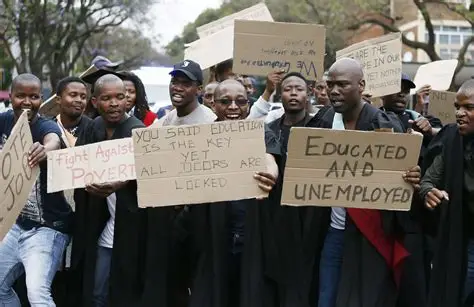
“A fresh Ipsos survey shows that eight in ten South Africans feel the nation is heading in the wrong direction, underscoring widespread disillusionment with the GNU coalition. Citizens cite corruption, unemployment, and poor service delivery as the main drivers of this pessimism, raising doubts about the coalition’s ability to govern effectively.”
South Africa’s political landscape has entered a turbulent phase, with public opinion surveys painting a sobering picture of widespread dissatisfaction. According to Ipsos’ latest What Worries the World survey, 80% of South Africans now believe the country is on the wrong track, a figure that underscores the fragility of the Government of National Unity (GNU) formed in 2024. This marks a return to pre-election pessimism, erasing the optimism that briefly followed the coalition’s creation.
Rise and Fall of Optimism
When the GNU was established after the contentious May 2024 elections, optimism surged. Between July and September 2024, 36–40% of South Africans expressed confidence that the country was heading in the right direction. However, by April 2025, disputes over the national budget and inter-party disagreements culminated in a narrow parliamentary vote, exposing cracks in the coalition’s foundation. The optimism that once surrounded the GNU has now dissipated, replaced by widespread skepticism.
Current Public Sentiment
The latest Ipsos data reveals levels of pessimism not seen since before the GNU’s formation. Citizens cite corruption scandals, persistent unemployment, and service delivery failures—such as electricity shortages and water crises—as key drivers of dissatisfaction. While 42% of respondents believe parties are working together “fairly well,” nearly the same proportion feels the GNU is failing to manage inter-party issues effectively.
Political Implications
Public opinion is not just a reflection of mood—it shapes political outcomes. The GNU, composed of the ANC, DA, and smaller parties, was designed to stabilize governance. Yet, the Ipsos findings suggest the coalition has failed to inspire confidence. Opposition parties are seizing on this discontent:
- The DA emphasizes fiscal discipline.
- The EFF criticizes inequality.
- Smaller parties frame the GNU as ineffective, calling for stronger accountability measures.
Economic and Social Dimensions
South Africa’s economic challenges compound political frustrations. Youth unemployment exceeds 50%, and service delivery failures continue to erode trust. Public opinion surveys consistently show that citizens link these failures directly to political leadership. The persistence of rolling blackouts and water shortages has become symbolic of governance breakdown.
Historical Context
South Africa’s history of coalition politics is relatively new. The GNU was hailed as a bold experiment in power-sharing, but the Ipsos survey suggests that citizens are losing patience with its shortcomings. The erosion of optimism highlights the difficulty of sustaining coalition governance in a country grappling with systemic challenges.
Conclusion
The Ipsos survey underscores a critical reality: South Africans are deeply disillusioned with the GNU coalition, and their pessimism reflects broader concerns about corruption, unemployment, and service delivery. Unless the coalition can address these issues decisively, public confidence will continue to erode, reshaping the country’s political future.



