




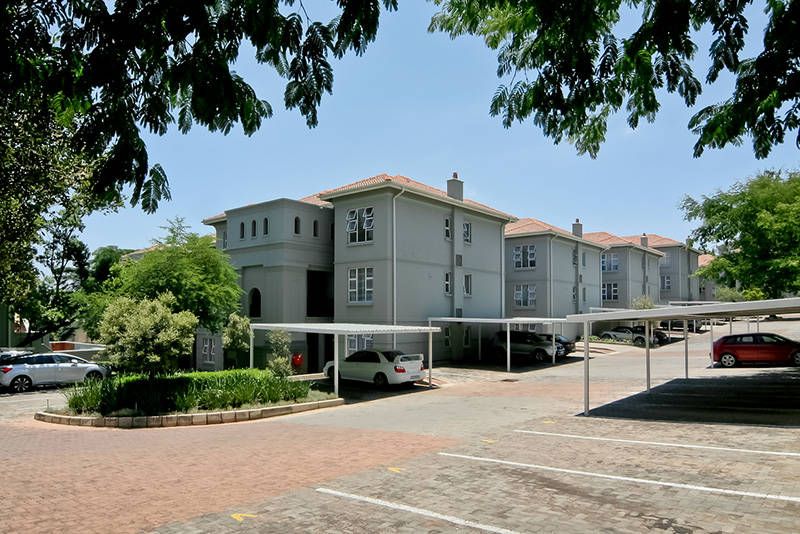
”South Africa’s rental property market is experiencing a surge in “rent-vesting,” a strategy where younger buyers rent in desirable lifestyle areas while investing in affordable, high-yield properties elsewhere. This trend is driven by rising interest rates, affordability pressures, and the desire to balance lifestyle with long-term asset growth.”
The South African rental real estate market in June 2026 is undergoing a significant transformation. With the South African Reserve Bank raising the repo rate by 25 basis points, the prime lending rate now sits at 10.50%, reshaping affordability and investment strategies.
Interest Rate Impact
- Prime lending rate: 10.50%
- R1 million bond repayment: ~R9,984 per month
- R2 million bond repayment: ~R19,968 per month
These figures highlight the growing financial burden on households, pushing many to reconsider traditional homeownership models.
Rise of Rent-Vesting
Rent-vesting has emerged as a practical solution:
- Lifestyle rentals: Young professionals rent in premium areas such as Cape Town’s CBD, Sandton, or coastal hubs.
- Investment purchases: Simultaneously, they buy affordable sectional title units in emerging urban corridors like Midrand or Durban North.
This dual approach allows them to enjoy lifestyle flexibility while building equity in appreciating markets.
Market Drivers
- Affordability pressures: Rising borrowing costs limit direct homeownership in premium areas.
- Career mobility: Renting in lifestyle hubs supports professional opportunities.
- Investment diversification: Sectional title units offer strong rental yields and lower entry costs.
Regional Trends
- Western Cape: Premium rentals remain in high demand, driven by semigration and lifestyle appeal.
- Gauteng: Strong sectional title investment activity, especially in Johannesburg’s northern suburbs.
- KwaZulu-Natal: Coastal rentals attract lifestyle renters, while inland urban corridors see investment purchases.
Investor Implications
For investors, rent-vesting creates opportunities:
- High rental demand: Premium lifestyle areas see consistent rental growth.
- Stable yields: Affordable sectional title units provide reliable income streams.
- Portfolio balance: Investors can diversify across lifestyle and affordability segments.
Risks and Challenges
- Interest rate volatility: Further hikes could strain affordability.
- Economic headwinds: Loadshedding and unemployment remain structural challenges.
- Regional disparities: Western Cape outperforms, while Gauteng lags due to service delivery issues.
Outlook
The rental market is expected to remain strong throughout 2026, with positive rental growth and stock shortages in high-demand areas. Rent-vesting is likely to expand further as younger buyers prioritize financial agility over traditional ownership.



