




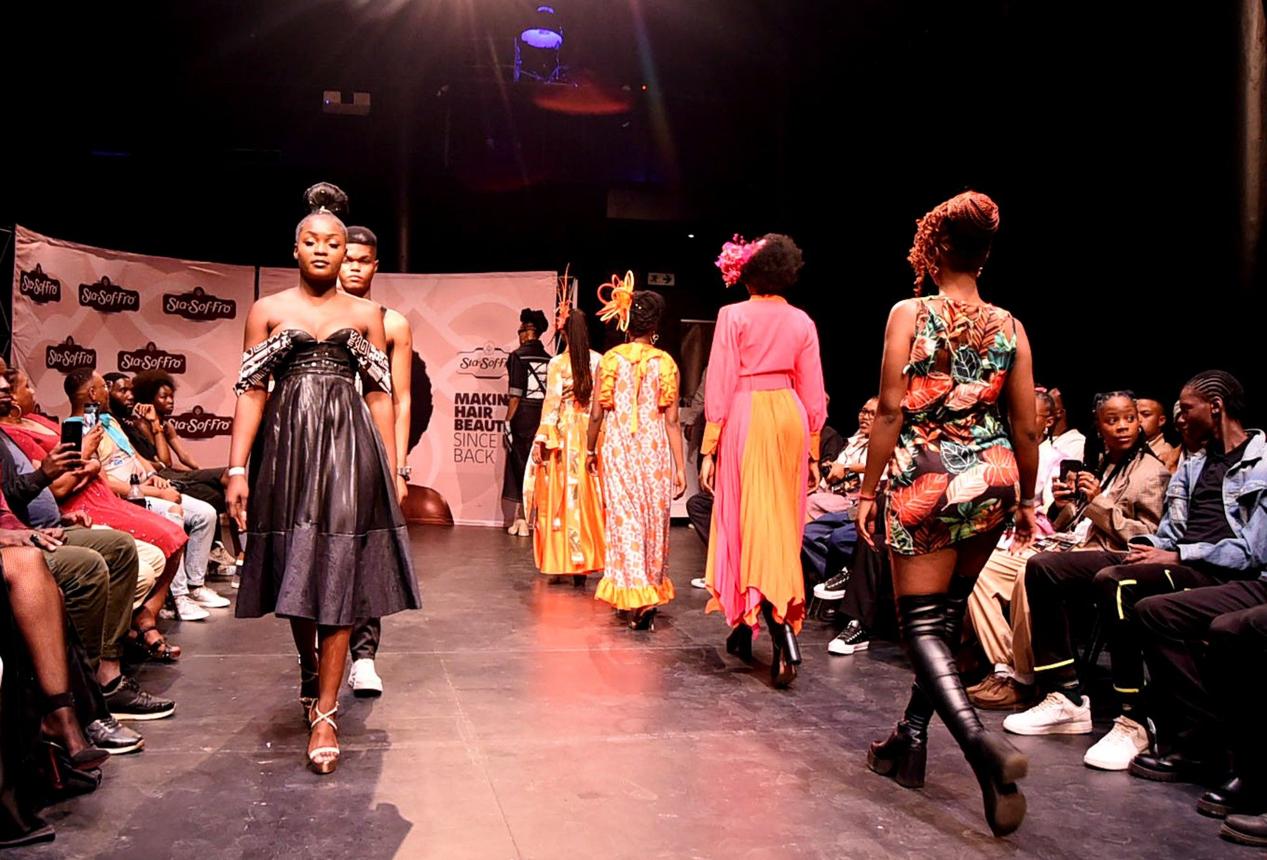
“Soweto Fashion Week’s Spring/Summer 2026 edition showcased emerging designers, university fashion students, established labels and young creative talent during three days of runway presentations at Soweto Theatre. The event highlighted South African fashion’s growing creative diversity, with collections ranging from contemporary denim and patchwork to children’s fashion, bold prints and expressive streetwear.”
Soweto Fashion Week Spring/Summer 2026 Celebrates South African Designers, Emerging Talent and Creative Innovation
SOWETO, JOHANNESBURG — 9 NOVEMBER 2026
Soweto Fashion Week’s Spring/Summer 2026 edition has once again placed South African creativity at the centre of the fashion conversation, bringing together emerging designers, university fashion students, established labels, young models and entertainment personalities for three days of runway presentations at Soweto Theatre. Held from 5 to 7 November, the showcase demonstrated the continued importance of local fashion events in developing creative talent, strengthening cultural identity and expanding opportunities within South Africa’s fashion industry.
According to reporting published by Time Out Johannesburg on Monday, 9 November, this year’s presentations featured diverse collections, including contemporary denim, patchwork designs, eveningwear, children’s clothing, leopard-print fashion and expressive streetwear. The event also highlighted the participation of students from the University of Johannesburg and Tshwane University of Technology, reinforcing Soweto Fashion Week’s commitment to creating opportunities for designers at different stages of their careers.
A Celebrated Platform for South African Fashion
Founded in 2011, Soweto Fashion Week has developed into an established platform for showcasing local fashion and connecting designers with audiences, industry professionals and potential customers.
The Spring/Summer 2026 edition marked another significant moment in the platform’s development, bringing its established creative community together with younger participants eager to demonstrate their abilities.
Joburg ETC reported before the event that Soweto Fashion Week had supported more than 120 designers and 1,000 runway models across its 26 seasons. These figures illustrate the event’s contribution to fashion development and its potential role in creating opportunities for individuals who might otherwise struggle to access established fashion platforms.
Furthermore, the showcase demonstrates how fashion events can contribute to the broader cultural economy. By bringing designers, models, photographers, fashion students, entertainment personalities and audiences together, runway presentations create opportunities for collaboration and professional networking.
University Fashion Students Showcase Their Creativity
One of the highlights of this year’s programme was the participation of fashion students from the University of Johannesburg and Tshwane University of Technology.
On the second evening, both institutions presented 30 looks, giving students opportunities to demonstrate their design abilities before an audience.
Their collections included sparkling evening gowns, structured tops and creative barrel-styled trousers. The presentations demonstrated how fashion education can translate into practical creative experiences, allowing students to explore design, styling, garment construction and runway presentation.
For emerging designers, participation in fashion events offers valuable exposure. Students can observe how audiences respond to their collections, understand the importance of presentation and develop confidence in communicating their creative ideas.
In addition, fashion showcases can help bridge the gap between academic learning and professional practice. Students encounter the expectations associated with preparing collections, coordinating models and presenting garments within a public programme.
The involvement of university designers also reflects the importance of partnerships between educational institutions and creative industries. Such relationships can support mentorship, professional development and future collaborations.
Mbobo Movement Returns With Contemporary Denim and Patchwork
Established designer Luthando Mbobo of Mbobo Movement was among the participants who attracted attention during the event.
Following his debut in the Autumn/Winter season, Mbobo returned with fresh patchwork and denim designs that demonstrated the evolution of his creative direction.
His participation illustrates how fashion weeks can provide designers with opportunities to revisit their ideas, develop collections and build recognition over successive seasons.
Speaking to Time Out Johannesburg, Mbobo reflected on the progress of his label since the previous year’s showcase. He highlighted the brand’s nomination for Best Emerging Fashion Designer at the South Africa Fashion Awards and its expansion into children’s fashion through SA Kids Fashion Week.
These developments demonstrate how participation in fashion events can contribute to wider professional opportunities.
For designers, runway exposure is not simply about presenting clothing. It can also help strengthen brand identity, introduce new product categories and establish relationships with customers and industry stakeholders.
Mbobo Movement’s return therefore represented an example of creative development and the continuing possibilities available to designers who remain active within South Africa’s fashion ecosystem.
Enhle Mbatha and the Rise of Young Fashion Entrepreneurs
Another standout participant was 18-year-old designer Enhle Mbatha, who presented a children’s collection under her label, Enhle Babes.
Her story illustrated the importance of nurturing young creative entrepreneurs and supporting talent at an early stage.
According to Time Out Johannesburg, Mbatha began sewing clothes for dolls at six years old before progressing to making garments for herself. Her designs subsequently attracted interest from children in her neighbourhood, who began placing orders.
Her participation at Soweto Fashion Week provided another opportunity to demonstrate her abilities and connect her work with a broader audience.
The collection also featured young models, whom Mbatha described as supporters of her brand. She explained that she trains new models herself, helping them become familiar with her expectations and presentation style.
This approach highlights the relationship between fashion entrepreneurship and community development. Young designers can create opportunities for other young people through modelling, training, collaboration and participation in creative projects.
Furthermore, children’s fashion represents an important area of creative expression. Designers working in this category must consider comfort, movement, practicality and age-appropriate styling while maintaining originality.
Mbatha’s presentation demonstrated how youthful creativity can contribute to the diversity of South African fashion.
Precious Lulu Couture Brings Bold Prints to the Runway
Precious Lulu Couture also attracted attention through a collection featuring leopard prints and bold styling.
The presentation included television personality and actress Nasiphi Ntabeni, who made her runway debut for the label.
Audience members responded enthusiastically as Ntabeni walked the runway, demonstrating the relationship between fashion, entertainment and popular culture.
Celebrity participation can contribute to the visibility of fashion events by attracting audiences who follow entertainment personalities as well as designers.
However, the significance of such appearances extends beyond publicity. They can help introduce fashion labels to new audiences and encourage conversations about clothing, personal expression and contemporary styling.
Precious Lulu Couture’s presentation demonstrated how distinctive prints and confident styling can contribute to the atmosphere of a fashion showcase.
Streetwear and Entertainment Strengthen the Programme
The evening also featured Originally Kasified, whose presentation brought hip-hop influences and contemporary streetwear energy to the runway.
The label’s appearance demonstrated the continued relevance of streetwear within South African fashion culture.
Streetwear frequently draws inspiration from music, youth culture, urban communities and everyday clothing. Consequently, its presence at fashion events can create connections between designers and audiences whose interests extend beyond traditional runway aesthetics.
Soweto’s cultural environment provides an important setting for such creative expressions. Music, dance, community identity and contemporary urban experiences contribute to the region’s distinctive cultural landscape.
By incorporating streetwear into its programme, Soweto Fashion Week acknowledged the diversity of influences shaping South African fashion.
Fashion Events as Economic and Cultural Opportunities
Beyond the runway presentations, Soweto Fashion Week represents an opportunity to strengthen the local fashion economy.
Fashion events bring together multiple professional activities, including garment production, modelling, photography, styling, event coordination, marketing, venue management and media coverage.
Designers may use these occasions to introduce collections, build relationships with customers and establish commercial opportunities.
Similarly, models can gain experience, photographers can expand their portfolios and fashion students can develop industry connections.
The participation of established and emerging designers also creates opportunities for audiences to discover local brands and support South African creative businesses.
Nevertheless, sustained development requires more than successful runway presentations. Designers need access to production resources, business knowledge, marketing opportunities and reliable distribution channels.
Fashion organisations, educational institutions and industry stakeholders can contribute by supporting mentorship programmes, training initiatives and platforms that connect creative talent with commercial opportunities.
Cultural Identity and the Future of South African Fashion
Soweto Fashion Week’s Spring/Summer 2026 programme also demonstrated the importance of cultural identity in contemporary fashion.
Designers working within South Africa draw inspiration from a wide range of influences, including heritage, urban experiences, personal stories, music and contemporary lifestyles.
These influences can be expressed through colour, fabric choices, silhouettes, prints and styling techniques.
Fashion therefore provides an important platform for communicating identity and creativity.
Events such as Soweto Fashion Week enable designers to present interpretations of contemporary South African life while engaging audiences in conversations about style and cultural expression.
The involvement of young designers is particularly significant because it introduces new perspectives and encourages experimentation.
By creating opportunities for different generations of designers, the event contributes to the development of a more diverse and dynamic creative industry.
A Platform for the Next Generation
The Spring/Summer 2026 edition concluded with a programme that celebrated established creative achievements while highlighting the potential of emerging talent.
University students, young entrepreneurs, children’s fashion designers and established labels all contributed to the event’s distinctive character.
Their participation demonstrated that South African fashion development depends on a broad creative community rather than a single category of designer.
The showcase also reinforced the importance of fashion events as spaces for learning, experimentation, networking and public engagement.
As South African designers continue to develop their brands and explore new creative directions, platforms such as Soweto Fashion Week remain important opportunities for visibility and professional growth.
Ultimately, the event’s significance lies not only in the garments presented on the runway but also in the people, ideas and opportunities that emerge through participation.
Soweto Fashion Week’s Spring/Summer 2026 showcase offered a compelling demonstration of South African fashion’s creative diversity, highlighting the contribution of young designers, educational institutions, established labels and cultural influences to the industry’s continuing evolution.
The event’s latest edition reaffirmed Soweto’s place within South Africa’s fashion landscape and underscored the value of investing in local creativity, emerging talent and accessible fashion platforms.



